Dodge Charger Daytona EV Range and Electric Lineup Explained
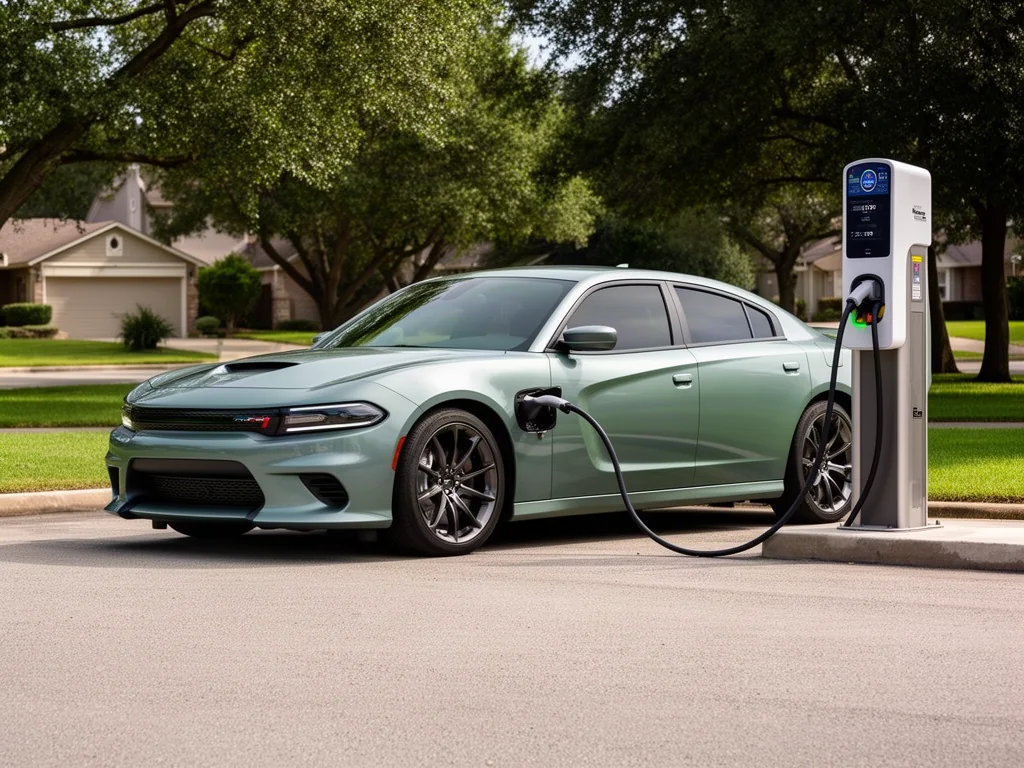
Electric Dodge range questions usually start with the Charger Daytona, then spill into Challenger naming, Hornet plug-in hybrid electric-only driving, and trip charging. An EPA-estimated range is a standardized full-charge rating for a listed model year and trim level, not a daily promise. Matching the window sticker to the correct powertrain comes first.
Charger Daytona EV Range by Model Year and Trim
A published dodge charger ev range or dodge charger daytona ev range figure is useful only when it is labeled as an EPA-estimated range for a named model year and electric trim. Manufacturer estimates can appear earlier in a product cycle and are not the same as a completed EPA rating. If a configuration has no posted EPA result in the materials you are using, that number should stay unresolved rather than borrowed from another trim. Wheel size, drive layout, and listed equipment can change the certified rating, so treat each configuration as its own entry.
Before applying any charger ev range number, confirm the vehicle’s model year, trim name, and the equipment shown on the window sticker or build sheet. Range ratings are assigned to a specific certified configuration, not to the Charger nameplate as a whole. A later model year can carry a different battery, motor, or wheel package even when the Daytona badge looks familiar. Read the fuel-economy label for that exact car, then match it to the EPA listing for the same year and trim rather than to a brochure line that does not name wheels or options.
What Affects Charger EV Range During Daily Driving
Highway speed, cold or hot outside temperature, cabin heating and cooling, elevation change, and passenger or cargo load all change how much energy an electric Charger Daytona uses. Faster travel and steep grades raise consumption, while a cold battery and a heated cabin can cut electric-only driving distance on the same route. A remaining range estimate on the cluster is not a second EPA test; it is a live projection from battery state of charge and recent or predicted use. Two identical trims can finish a commute with different displayed miles after different weather and traffic.
A partial battery state of charge cannot deliver the full-charge EPA-estimated range, because that rating assumes a complete charge under the test procedure. If the pack is at half, the remaining range estimate should start from stored energy, then adjust as speed and climate change. Useful observations on ordinary trips include starting charge, miles driven, and displayed consumption, without treating any one day as a new official rating. Those notes show how ev dodge charger range behaves in your weather and traffic, not a guaranteed mileage outcome.
Planning Charging Stops Around Usable Range
Vehicle driving range and a charging station’s power rating answer different questions. Charger EV range describes how far the car can travel from a given charge, while station kilowatts describe how quickly energy can be added if the vehicle and cable support that rate. Trip planning should start from departure charge, expected speed and weather, destination charging, and a practical arrival reserve so the remaining range estimate is not driven to empty. DC fast charging is one en-route tool, not a substitute for knowing usable miles at the start.
Charging time depends on starting charge, battery temperature, the vehicle’s charge-rate limits, and what the station actually delivers that day. A cold pack or a high state of charge can slow DC fast charging even at a high-powered stall. Searches for ev charger range sometimes mix the car’s miles with the station’s output; keep those numbers separate when you choose a stop. Before you rely on a site, confirm the charging-port details and any supported adapter requirements for that exact Charger Daytona, because compatibility is vehicle-specific and should not be assumed from another Dodge nameplate.
Which Dodge Models Have an Electric Driving Range?
Within current dodge ev range questions, the production battery-electric passenger car in this discussion is the Charger Daytona, not a revived Challenger coupe. Confirm model year and market on the window sticker or order guide before treating a Daytona as available in a given region. The Hornet plug-in hybrid is a separate powertrain: it can cover limited electric-only driving, then continue on gasoline. Announced concepts, historical gasoline Chargers and Challengers, and confirmed electric or plug-in models should stay labeled so a range figure is not applied to the wrong vehicle.
On a battery-electric Charger Daytona, an electric driving range figure describes estimated distance from a full charge using only the traction battery. On a Hornet plug-in hybrid, the electric-only rating describes how far the vehicle is estimated to travel before the gasoline engine is needed under the test cycle, and a separate combined gasoline-plus-electric figure describes total distance with fuel onboard. Those two Hornet numbers answer different questions. Future products should not be assigned ratings here; only confirmed available models and clearly marked historical or announced vehicles belong in a range discussion.
Why Challenger EV Searches Need a Model-Name Check
Dodge challenger ev range and challenger ev range searches often assume a factory battery-electric Challenger with an EPA-estimated range like the Daytona. For the production years and markets covered here, no such Challenger EV is confirmed as a factory model, so no applicable production EV range rating is available for that nameplate. Assigning Charger Daytona specifications to a Challenger would mix two vehicles. If the car in the driveway is a gasoline Challenger, its remaining range estimate is a fuel-based projection and does not convert into an electric range rating.
Many readers using Challenger wording are actually looking for the electric Charger Daytona and should use that model’s year, trim, and EPA listing instead. Concepts, rumors, and privately converted Challengers are not factory production vehicles and do not carry official EPA-estimated range ratings for a Dodge Challenger EV. A shop-built conversion can have unique battery hardware, so its distance is not a substitute for a certified dodge charger daytona ev range figure. Keep the name on the title, the powertrain on the window sticker, and the rating source aligned before comparing miles.
Hornet Plug-In Hybrid Electric-Only Range
Dodge hornet ev range usually refers to the Hornet plug-in hybrid, not a battery-electric Hornet. Identify the plug-in configuration and model year on the window sticker before using any electric-only driving figure, because gasoline-only Hornets have no electric-only rating. When a verified EPA electric-only range is listed for that year and trim, treat it as the charge-depleting estimate, and keep total gasoline-plus-electric driving range separate. If the EPA listing in front of you does not name that plug-in model year, leave the number unresolved.
Battery charge, temperature, driving demand, and operating settings can end electric-only driving sooner than the rating and can start the gasoline engine even with charge remaining. Climate load, highway speed, and a selected hybrid mode are common reasons the engine runs. An electric-only rating applies only to the plug-in hybrid Hornet that earned it, not to every Hornet powertrain. The plug-in hybrid is not a battery-electric vehicle: after the traction battery depletes, range continues on gasoline, so dodge hornet ev range and a Charger Daytona full-charge rating are not interchangeable.