Dodge Charger 2014 steering angle sensor
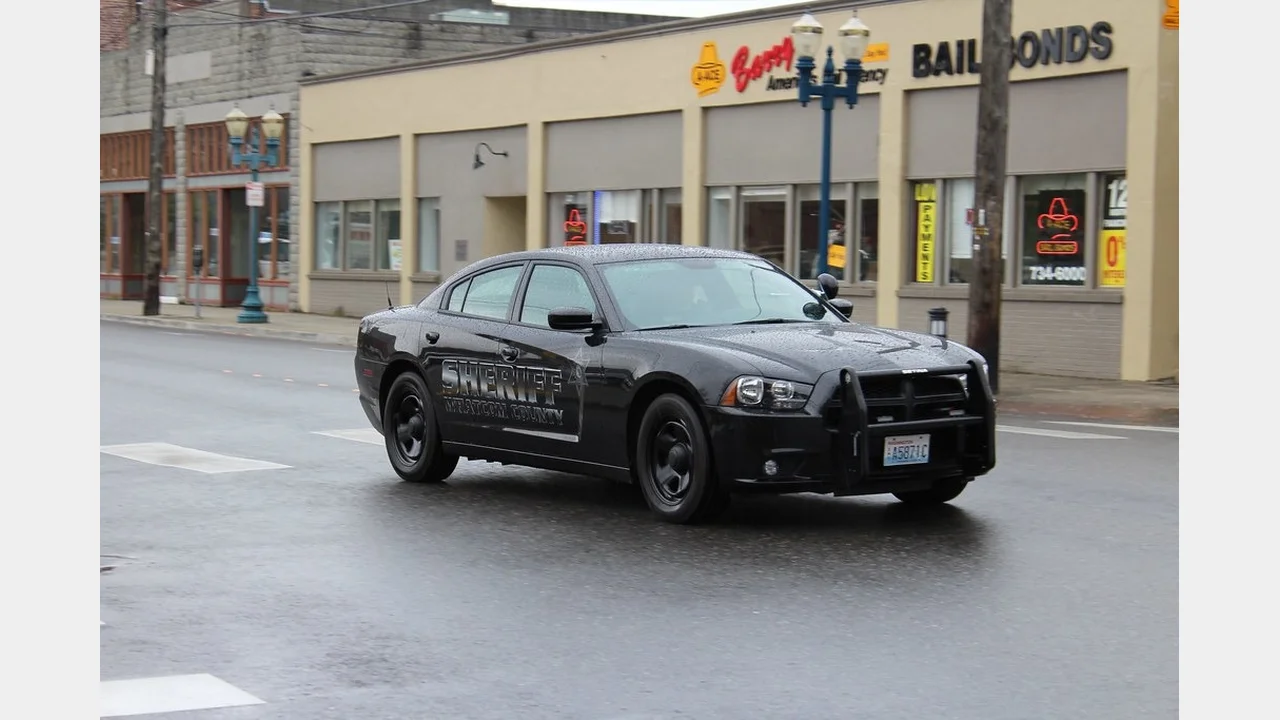
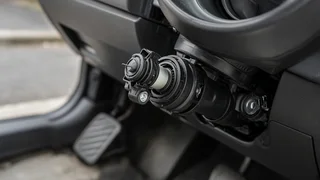
A steering angle sensor issue on a 2014 Dodge Charger often surfaces as a warning light, a heavier wheel, or traction control behaving unexpectedly. This sensor reports steering wheel position and rotational speed to several chassis computers, so a faulty signal can change how stability control and electric power steering respond. Understanding its role helps owners separate a true sensor failure from wiring, alignment, or calibration concerns before replacing parts.
Essential answer
The 2014 Dodge Charger steering angle sensor is an electronic input device that measures how far and how quickly the driver turns the wheel from center. The vehicle uses that data for electronic stability control, traction control, and steering-responsive features. When the sensor loses calibration or receives a damaged signal, the system may not know the intended direction of travel, which explains why a warning can appear even though the mechanical steering still feels largely normal. A stored fault code is a diagnostic starting point, not automatic proof that the sensor itself is bad.
Before replacing the sensor, basic chassis checks matter because steering angle readings depend on consistent suspension geometry. Wheel alignment changes the relationship between the steering wheel and the road wheels, so a recent alignment without a sensor reset can produce a false center value. Likewise, joint play or loose mounting points can create a wandering signal that mimics sensor failure. Vehicle support and ride height also affect the angle measurement, and fastener specification should be followed when the sensor or column components are serviced.