Dodge 4.7 Timing Chain Replacement
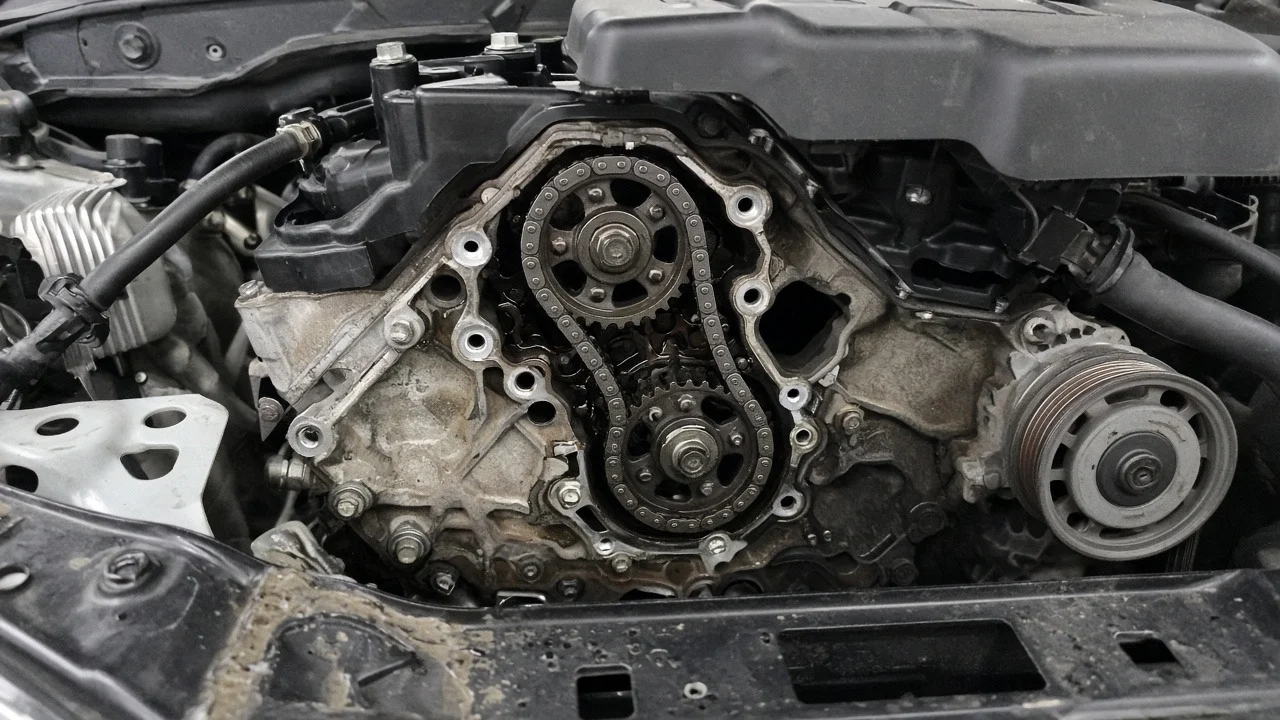
A timing chain replacement on a 4.7 Dodge engine matters when wear allows the valvetrain and crankshaft to lose their precise relationship. The overhead-cam design runs a long chain, guides and tensioners, so symptoms often develop gradually before a complete failure. Owners searching for information typically want to separate normal running noise from chain rattle, connect diagnostic codes to timing concerns, and understand whether the job calls for engine-out methods or manageable in-chassis service. The correct answer depends most on the engine configuration and observed symptom conditions rather than on the title phrase itself.
Essential answer
The essential point is that timing chain replacement on the 4.7 Dodge engine is corrective work for a wear-sensitive system, not a fixed-mileage maintenance item. The chain synchronizes each overhead camshaft with the crankshaft, and replacement generally becomes appropriate when inspection confirms excess slack, damaged guides, or a tensioner that can no longer control the chain. Because the engine configuration places the chain at the front of the block, a careful inspection of accessible timing components helps establish whether the chain itself, the guide material, or the hydraulic tensioner is the primary source of trouble.
The scope of the job differs from a simple belt swap on engines with external belts. Service history and the conditions that cause symptoms shape the answer more than the search phrase alone. If the vehicle has maintained reasonable oil-change intervals, a noisy chain may still point to worn guide faces or a weak tensioner rather than stretched links. Diagnostic codes do not prove a mechanical part has failed; they record cam and crank correlation errors that require confirmation. Replacement is therefore a conclusion reached after evaluating noise, timing correlation, and the visible condition of the chain system.