Do You Need Your Own Car for a Driving Test? Options and Vehicle Requirements
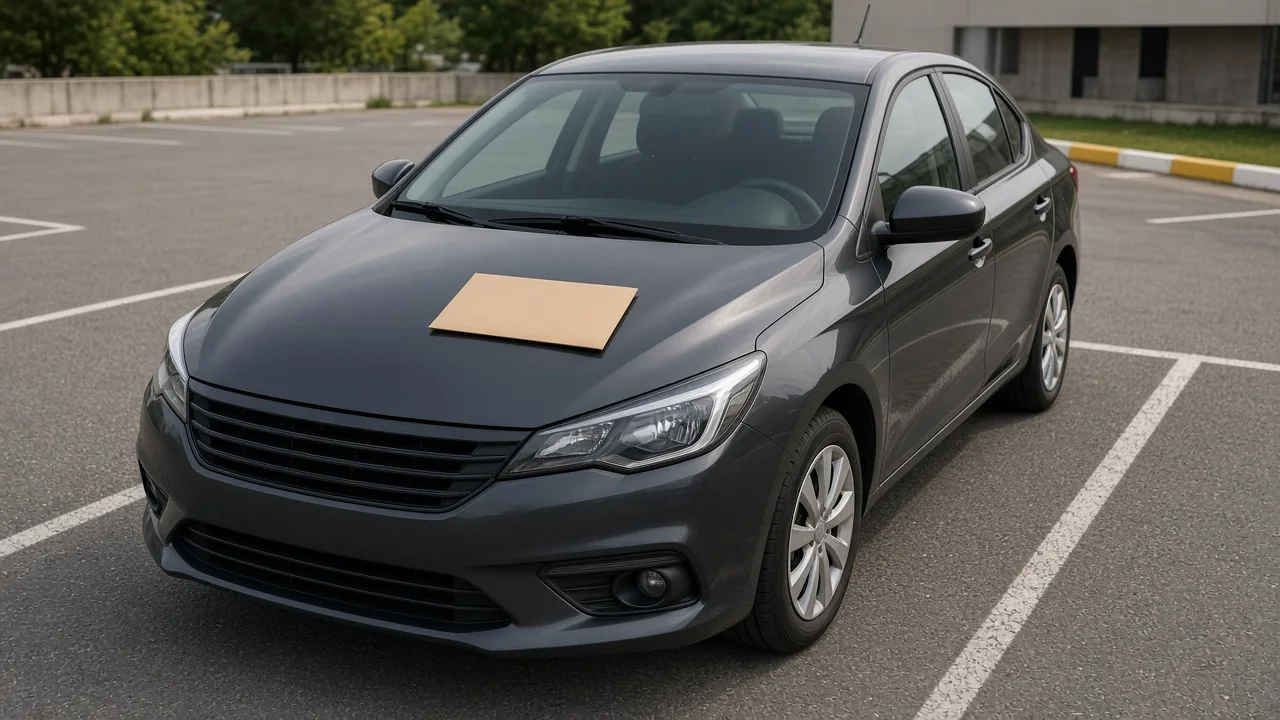
Most applicants need a road test vehicle for a standard passenger-car driving test, but owning that car is not usually required. A DMV, DPS, or driving test centre typically does not provide a car. You can often borrow a friend’s or parent’s car, use a driving school car, or, when allowed, a rental. Confirm documents, insurance, and vehicle condition with your actual test provider before you book.
Do You Need to Bring a Car to the DMV or DPS?
You generally need to bring a car for the on-road driving test, or arrange one the examiner can use with you. Owning it is not usually necessary. The written knowledge test does not require a vehicle, so this applies only to the behind-the-wheel road test. Do not assume the DMV or DPS provides a car, and a driving test centre rarely supplies one as a default service.
Before you book, confirm with your test provider whether a car is provided, which vehicles are accepted, and which documents you must present. Ask about accompanying-driver rules for a learner permit, including whether a supervising driver must arrive and leave with the vehicle. Using your own car usually means paying only the test fee; a school or rental vehicle adds its own charge. If you do not have a car, settle that arrangement first.
Using a Friend’s or Parent’s Car for Your Test
You can often use a friend’s car or your parents’ car when the owner permits it and the vehicle meets road test vehicle rules. Borrowing is a common option if you do not own a car. Owner permission is not insurance coverage. Confirm that the policy covers you as a permitted driver for practice and the scored test, and ask the insurer how to insure the car for driving-test use if you are not already listed.
Some agencies require the owner to attend, present identification, or supply written owner permission; others do not, so treat those as local rules. Practice in the borrowed car with a supervising driver before test day. Learn the lights, wipers, defroster, and parking brake, then adjust the seat and mirrors and feel the vehicle’s length and braking. An unfamiliar car makes simple maneuvers harder than they need to be.
Arranging a Driving School Car or Rental
If you cannot borrow a car, a driving school car is often the simplest option, and school lessons are how many people practice without a car of their own. Ask whether the fee includes an instructor, a ride to the site, or a required lesson that day. Some packages only supply the car. Confirm the school’s vehicle is accepted at your DMV, DPS, or third-party site, because not every office allows every school car.
A rental works only if the company authorizes you to drive, permits road-test use, and the testing agency accepts the rental agreement. Resolve permit status, minimum rental age, authorized-driver terms, insurance, and required paperwork before you pay. Lock the test location and time, secure an accepted vehicle, arrange lawful transportation with a supervising driver if you hold a learner permit, and review cancellation terms for both the appointment and the car.
Insurance and Registration for Borrowed or Newly Purchased Cars
Whether you drive your own car, a borrowed car, or a rental, bring the vehicle documents the testing agency accepts. Typical items include current vehicle registration, accepted proof of insurance, and any borrowing or rental authorization the office requires. Whose name must appear, and whether digital proof of insurance is allowed, depend on the agency and the coverage arrangement. Ask in advance rather than assuming a screenshot or a policy in someone else’s name will suffice at check-in.
A newly purchased car can be used if the agency accepts it and insurance is already active. Temporary registration or a temporary plate may be accepted in some places and refused in others, so verify that rule before you take a driving test in a new car. Purchase paperwork alone may not satisfy registration requirements. Mismatched names, expired cards, or missing plates commonly cause a turn-away, so resolve those gaps before the appointment.
Checking Your Own Car Before the Examiner Arrives
You can generally take a driving test in your own car when it is eligible, and many applicants prefer that because the controls already feel familiar. Ownership does not mean the car meets road-test requirements. Use the provider’s vehicle safety check if one is published, and inspect headlights, brake lights, turn signals, horn, mirrors, seat belts, tires, windshield visibility, and doors that open from both sides. A failed light or a door that will not latch can stop the test.
Confirm examiner-access rules for your site. Many offices require a working passenger seat, a functioning seat belt for the examiner, and a parking brake the examiner can reach or verify. Those details are local, not universal. Unsafe defects or missing required equipment can prevent the test from proceeding. If a safety issue is uncertain, have a shop inspect it rather than improvising in the lot. Preparing the car is part of preparing for the appointment.
Taking the Test in an Electric or Manual Car
Electric cars and manual cars may both be accepted, subject to the agency’s vehicle rules and the license class being tested. Confirm that before you arrive. For an electric car, start with enough charge to finish the route, and know how the vehicle selects Drive, Reverse, and Park. Smooth, predictable acceleration and regenerative braking matter, because abrupt pedal inputs look like poor control even when the car is mechanically sound.
A manual transmission test requires clutch and gear control, including smooth starts and safe handling on slopes, without stalling in a way that creates a hazard. Practice those skills in the same car you will present. Ask whether passing in a manual car removes a transmission-related license restriction, and whether an automatic or electric test would add one. Confirm whether auto hold, hill-start assist, and similar driver-assistance features may stay on or must be switched off.
Backup Cameras and Required Observation During the Test
A car with a backup camera can often be used, but acceptance of the vehicle is not permission to watch the display during scored maneuvers. Camera-use rules vary and should be confirmed with the test provider before the appointment. Examiners typically still require direct observation, mirror checks, and blind-spot checks. A camera does not establish that the area is clear, and relying on the screen alone can be scored as a failure to look.
Parking sensors and automated parking are separate from a backup camera and should be confirmed independently. Some offices allow audible sensors; others expect you to park without automated steering. Learn how to disable those features if required, and practice the same parking tasks the test uses. If you are choosing among vehicles, pick one whose assistance features you already understand so a permitted camera or sensor does not become a distraction during required observation.