Do You Need a Special or Extended-Life Oil Filter for Synthetic Oil?
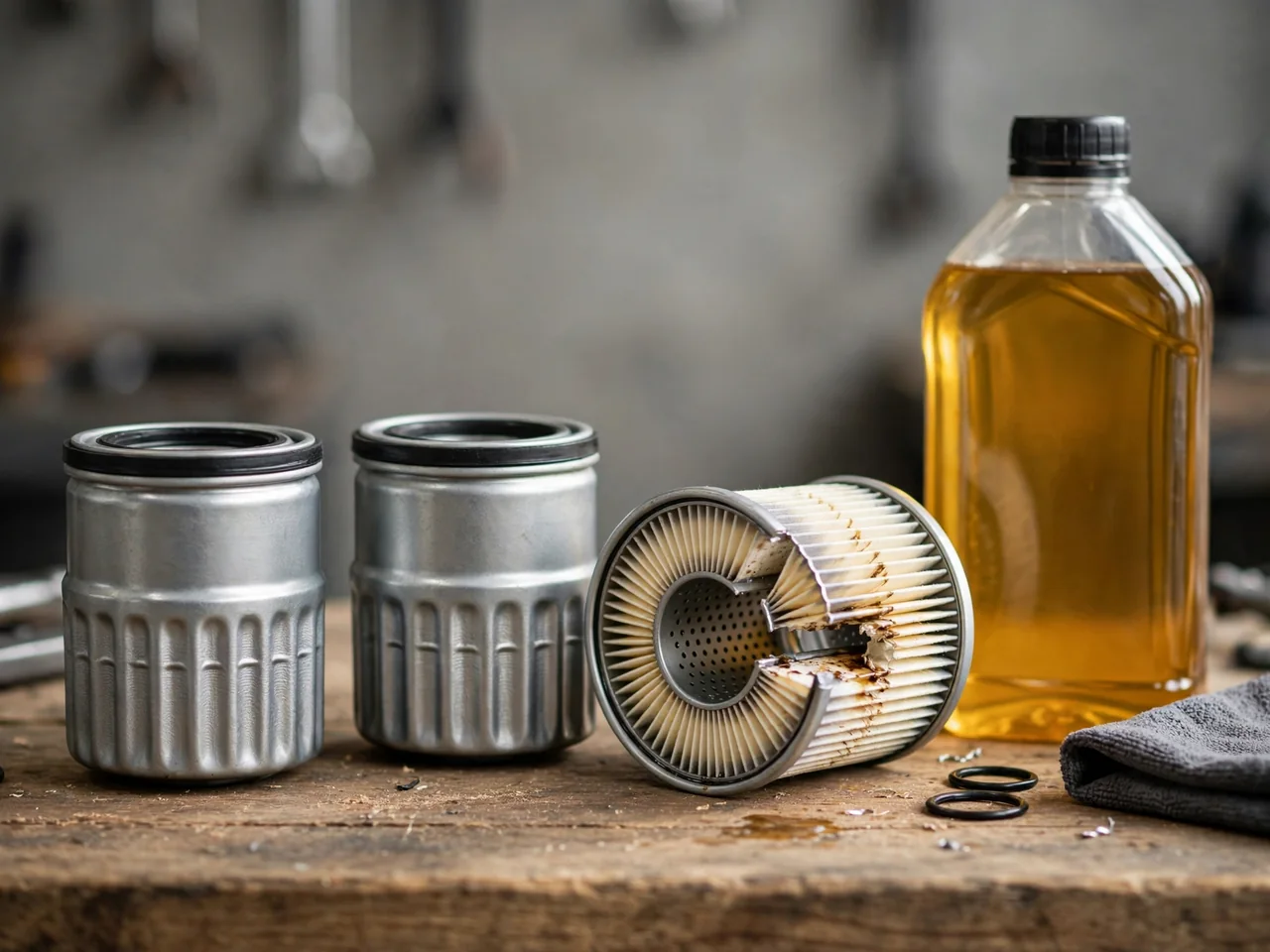
Synthetic oil has a reputation for needing special parts, and the filter aisle reinforces it with labels promising synthetic media, extended life, and premium protection. The reality is simpler and more useful. The filter has to fit your engine and last as long as the oil you run. Understanding that relationship matters more than any single word printed on the box.
Does Synthetic Oil Actually Require a Different Filter?
Any filter correctly specified for your engine will physically work with synthetic oil. Oil chemistry does not change the thread pitch, gasket diameter, bypass valve setting, or canister dimensions an engine requires. A filter that matches your car's application will seal and flow whether the crankcase holds conventional, blended, or full synthetic oil. The owner's manual and the filter maker's application catalog determine fitment, and the type of oil you pour in never overrides them.
The real issue is time and mileage. Synthetic oil is often run on longer drain intervals, so the filter needs enough capacity to keep working until the oil comes out. That is why the phrase synthetic oil filter is mostly marketing shorthand for filters made with synthetic media or rated for longer service. It is not a category the oil itself demands. One rule guides every choice from here: never leave a filter in service longer than the oil.
What Synthetic-Media and Premium Filters Offer Over Standard Cellulose
Filter media comes in three broad types. Cellulose media is made from wood-pulp fibers of varying size and shape, which leaves irregular pores and limits dirt-holding capacity. Blended media mixes cellulose with synthetic fibers for better consistency. Full synthetic media uses finer, more uniform fibers, which generally improves capacity and flow at a given efficiency. When a filter efficiency rating appears on a box, the percentage only means something alongside the micron size and the test standard used to measure it.
Construction separates premium filters from basic ones as much as media does. Many premium lines, including those marketed as ultra synthetic, use silicone anti-drainback valves that stay flexible through temperature swings longer than nitrile. They may also use metal end caps instead of fiber or plastic ones, plus heavier canisters. Those features improve capacity and consistency, but they have limits. A better filter does not extend the oil's own service life, restore depleted additives, or fix an engine that burns or leaks oil.
What Extended-Performance and Extended-Life Filter Lines Are Designed For
Extended-performance and extended-life filters are built around one promise: lasting through a full synthetic drain interval. Each product line carries a stated mileage rating printed on its packaging, and the design goals behind that number are consistent across the category. The aim is higher dirt-holding capacity from synthetic or blended media, along with valves and seals chosen to resist hardening over many months. That durability matters because a filter on a long interval spends far more time soaking in hot oil.
Whether you are considering a Mobil 1 Extended Performance oil filter or an extended-life filter from another maker, read the rating on that specific box or in the manufacturer's catalog. Do not assume every extended filter carries the same number, because ratings differ between lines and can change over time. Treat the figure as a ceiling, not a target. Severe driving conditions or your vehicle's own maintenance schedule may call for an earlier change, and the shorter interval should always win.
When a Standard Filter Like an Extra Guard Type Is Still the Right Choice
A conventional-grade filter, such as a basic Extra Guard type, is designed for standard drain intervals and works well with synthetic oil when the oil is changed on that same schedule. The risk comes from pairing a short-interval filter with a long synthetic drain. As the media loads with debris, restriction rises until the bypass valve opens and sends unfiltered oil to the engine so lubrication continues. That prevents oil starvation, but contaminants then circulate freely until the next change.
Standard filters make sense in several situations. Vehicles whose manual specifies a relatively short interval gain little from a long-life filter. Engines that consume oil and get frequent top-offs or early changes rarely approach a premium filter's capacity, and drivers who change oil early out of habit fall into the same group. Even so, check the packaging or catalog for a standard filter's intended service interval. The right number comes from the manufacturer, not from assumption or shop folklore.
Matching Filter Life to Your Synthetic Drain Interval
Start with your vehicle's own oil change interval, found in the owner's manual or shown by the oil life monitor if the car has one. Then choose a filter whose stated rating meets or exceeds that figure. Remember that intervals carry a time limit alongside mileage. A car driven only occasionally may take a year to use its mileage allowance, yet the oil still oxidizes and collects moisture and fuel, and the filter's seals and media age whether the car moves or not.
Severe service shortens everything. Towing, frequent short trips that never fully warm the engine, dusty or unpaved roads, and extreme heat or cold all load the oil and filter faster, whatever the box says. Many manuals include a separate severe service schedule, and drivers who match that description should follow it. Finally, replace the filter at every oil change. Skipping a filter change to save money leaves loaded media in service and undercuts what you paid for in synthetic oil.
How to Pick the Best Filter for Your Synthetic Oil Setup
The best oil filter for synthetic oil is the one that fits your engine and your schedule. That means the correct part number for the engine, an interval rating that matches or exceeds your drain schedule, and a documented efficiency specification. On the package or in the catalog, look for an efficiency percentage paired with its micron size, the stated mileage rating, and the anti-drainback valve material. Also confirm a bypass valve setting that matches the vehicle maker's requirement.
Cross-reference part numbers through the filter maker's catalog or a reputable parts lookup rather than choosing by thread size or appearance. Two filters can share threads and look alike while differing in gasket diameter, bypass pressure, or internal valve design. Avoid buying by canister size, trusting a generic fits-most claim, or assuming a higher price guarantees a longer interval. With these checks, you can judge any product line on the shelf by what it documents rather than what its label suggests.
Signs the Filter Choice Was Wrong and When to Get Professional Help
A few safe checks after an oil change can reveal a problem. With the engine off and cool, look for weeping or drips around the filter gasket. Listen at a cold start, because a prolonged rattle that wasn't there before may mean the anti-drainback valve is letting oil drain out of the filter overnight. The oil pressure warning light should go out within moments of starting. Dark oil alone is not a warning sign, since detergent synthetic oil darkens normally as it holds contaminants in suspension.
Some symptoms cannot be traced to filter choice from the driver's seat. An oil pressure light that stays on or flickers, a sudden pressure drop, knocking, or metallic debris in drained oil means you should shut the engine off and have a technician inspect it with proper testing tools. The cause could be low oil level, a pump problem, or internal wear. Keep the receipt and filter box after each service so the part number and interval rating can be confirmed later.