Disabling Electronic Parking Brake Automatic Functions: Settings and Limits
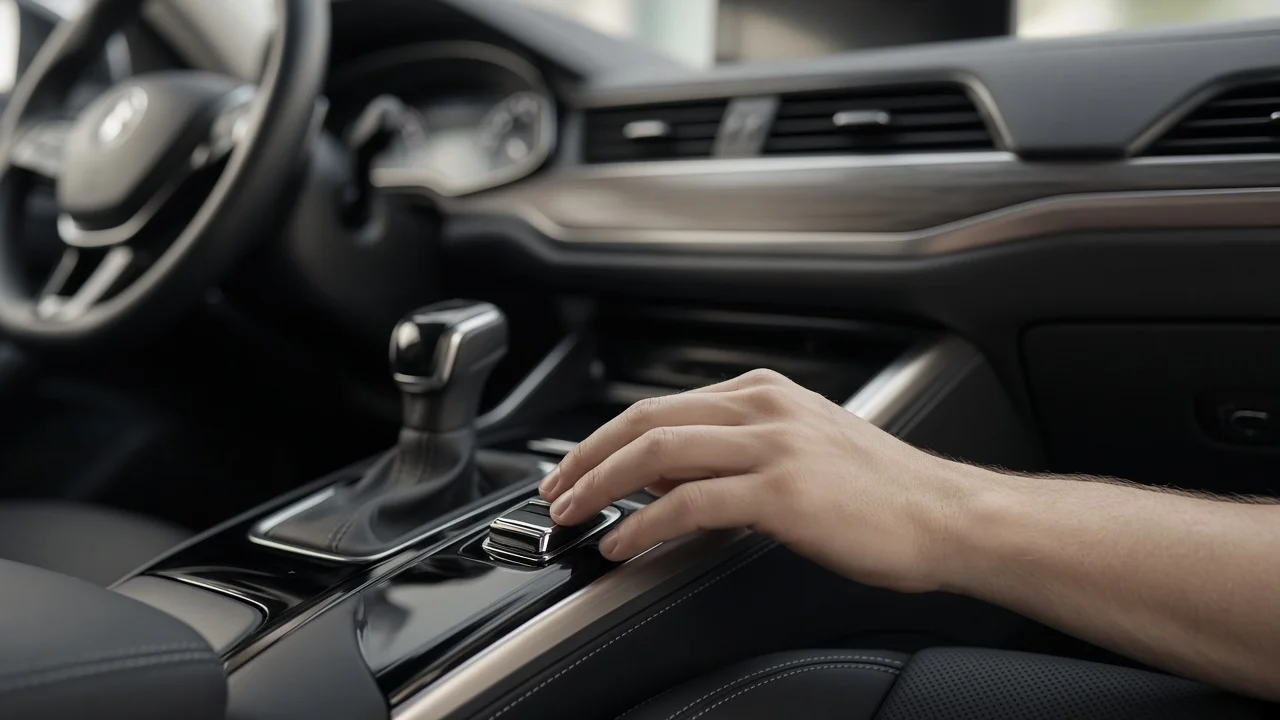
Many drivers want to stop an electronic parking brake from setting itself, releasing on its own, or holding the car at every stop. Whether you can turn those behaviors off depends on how the manufacturer programmed the system. Some functions have a button or menu setting, some can only be paused temporarily, and some are fixed safety logic. This guide explains which is which, where to look on your vehicle, and where the limits are.
The short answer
You usually cannot permanently disable an electronic parking brake, but you can often change or pause specific automatic behaviors. Auto Hold, the feature that keeps the car stationary at a stop until you press the accelerator, is typically switched off with a dedicated button. On many vehicles it returns to its default state each time the ignition is cycled, so turning it off is a per-drive choice. Automatic application when you shut the engine off can be adjusted in a settings menu on some models and is fixed on others. Automatic release when you drive away generally depends on conditions such as a closed driver door and a fastened seat belt, and it is rarely offered as a setting.
Many vehicles also provide a temporary procedure for car washes or towing, and a maintenance mode that retracts the rear calipers for brake work. These are procedures, not permanent off switches. Disconnecting connectors or pulling fuses to defeat the system is not a safe workaround: it can leave the vehicle without a working parking brake, store fault codes, and if done while the brake is applied, leave it stuck on.
How the automatic functions work
The parking brake switch does not pull a cable directly. It sends a request to a control module, which drives electric motors at the rear brakes. On most current designs each rear caliper has its own motor and gear unit that pushes the piston and clamps the brake pads against the brake rotors. Some older or simpler designs use a single central actuator that tensions cables. The module decides when to apply or release using inputs such as vehicle speed, gear position, ignition state, door and seat belt status, accelerator pedal position and, on many vehicles, an incline sensor.
Auto Hold usually works differently. On many vehicles it uses the stability control hydraulic unit to trap brake fluid pressure at the wheels while you are stopped, then releases that pressure when you accelerate. If the car stays stopped for an extended period, or the driver unbuckles or opens the door, the system may hand off to the electric parking brake. That is why turning off Auto Hold does not change how the parking brake behaves when you park, and why the two features have separate controls.
What changes the answer
The biggest factor is the specific vehicle. Manufacturer, model year, trim and software version all affect which functions are adjustable. Two vehicles from the same brand can behave differently, and a software update can change defaults or remove options. Owner's manuals for some models describe a menu setting for automatic application at shutdown, while others state that the brake always applies when the transmission is in Park or the engine is switched off.
Operating conditions also matter. An unfastened seat belt, an open door, a steep slope or the wrong gear can prevent automatic release, which owners sometimes mistake for a setting. Low battery voltage, a stability control fault or a parking brake fault can disable Auto Hold or automatic functions entirely, often with a warning message. If a warning lamp is on, the system may be in a fault state, and the question is no longer about settings but about repair.
Where to find the controls on your vehicle
Start with the physical controls. The Auto Hold button is usually near the parking brake switch or the gear selector, and an indicator in the instrument cluster shows whether it is active. For automatic application or other parking brake preferences, check the infotainment or instrument cluster menus under headings such as vehicle, convenience or driver assistance settings. Names vary widely, so the parking brake chapter of the owner's manual is the most reliable guide to what your model offers.
For automatic car washes, some vehicles allow the car to stay in Neutral with the parking brake released after the engine is switched off, but only when a specific sequence is followed. Whether this exists, and the exact steps, are model-specific. Towing instructions in the manual explain how to release the brake for transport, including any mechanical or emergency release method the manufacturer provides.
Maintenance mode for brake pad and rotor work
On vehicles with motors mounted on the rear calipers, the piston cannot simply be pushed back to fit new brake pads. The actuator must first be retracted through a maintenance or service mode, entered with a scan tool or, on some vehicles, a model-specific sequence of switch, ignition and pedal inputs. Forcing the piston back with the motor engaged can damage the actuator gears. Use the procedure from the vehicle's service information rather than a sequence copied from a different model.
While the calipers are retracted, measure the remaining friction material and rotor thickness against the manufacturer's wear limits, and confirm the replacement pads and rotors match the vehicle fitment. Retracting pistons pushes brake fluid back toward the reservoir, so check the level and avoid overfilling. Afterward, exit maintenance mode, run any required calibration and confirm the brake applies and releases normally before driving. Skipping these steps can leave a fault code or a brake that does not clamp correctly.
What the owner can do
First, identify exactly which behavior bothers you: holding at stops, setting at shutdown, or not releasing when you pull away. Then check the manual for that function, try the relevant button or menu, and note whether your choice survives an ignition cycle. If the brake will not release automatically, confirm the driver door is closed, the seat belt is fastened and the correct gear is selected. A dealer may be able to tell you whether a configurable option exists for your vehicle, but availability is not guaranteed.
Watch for signs that the issue is a fault rather than a preference: a parking brake or brake system warning, a message about service being required, a brake that will not release or only partly releases, grinding or repeated whirring from the rear, a dragging feel, a burning smell, or one rear wheel noticeably hotter than the others after a drive. In those cases stop using the vehicle and arrange professional service. Driving with a partially applied brake can overheat the pads and rotors and damage the caliper.
Limitations and next step
This guide describes how electronic parking brakes generally behave, not the exact settings or button sequences for any particular vehicle. Those details come from your owner's manual and the manufacturer's service information. Aftermarket diagnostic tools can sometimes change configuration values, but altering safety logic without the correct procedure can create faults or unexpected brake behavior, so that work is better left to a qualified technician.
If a setting is not offered for your vehicle, the practical choice is to use the temporary procedures the manufacturer provides. If the system shows a fault, the brake will not release, or you are planning rear brake work without the correct service mode, have the vehicle inspected by a professional and use the manufacturer's towing guidance if it cannot be driven safely.