Differential for Bike-Engined Cars
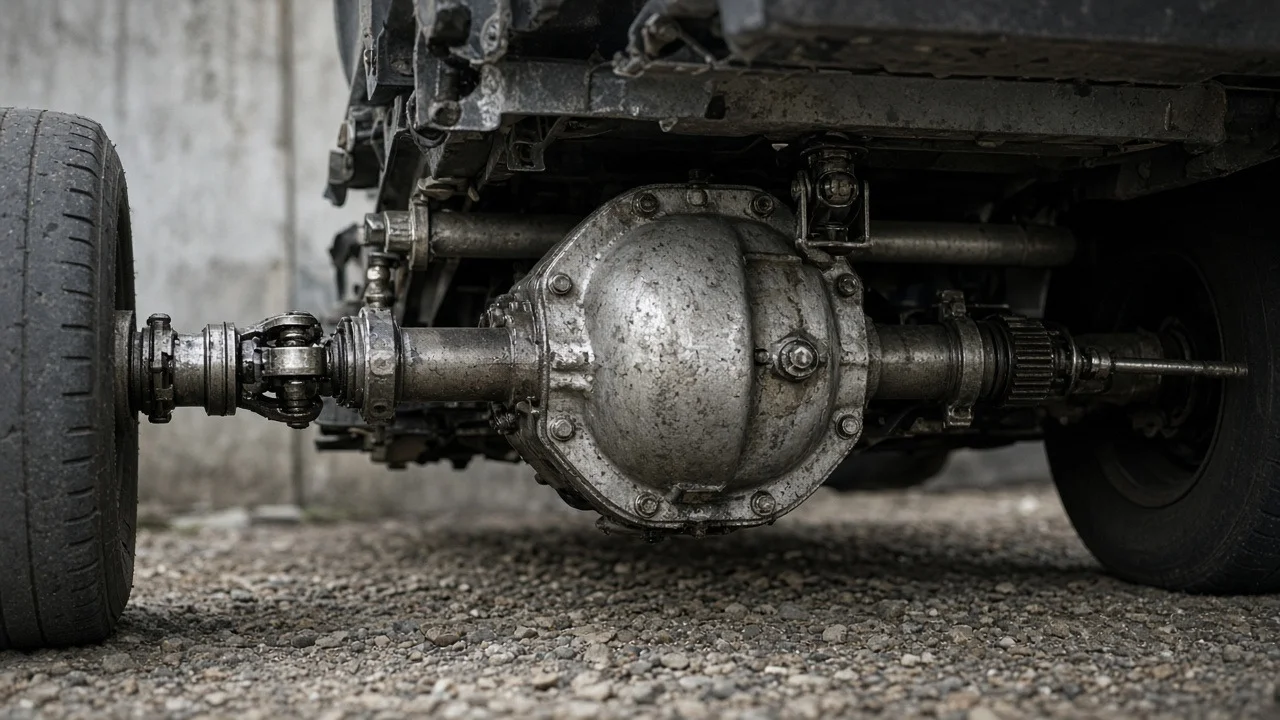
Putting a high-revving motorcycle engine into a lightweight car creates an unusual drivetrain problem: the powerplant and the rear axle were never designed to work together. A differential for a bike-engined car must split torque between the drive wheels while matching the engine’s output shaft, packaging constraints, and gearing. The right choice depends on whether the build uses a chain, a dedicated reversing gearbox, or a production car transmission. Understanding these factors helps a builder choose a reliable setup that survives track use and street driving without masking an underlying fitment problem.
Essential answer
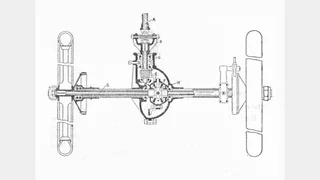
A bike-engined car typically needs a compact differential matched to the narrow chassis and the engine’s high-rpm, low-torque character. Unlike a car engine, a motorcycle powerplant usually sends drive through a sprocket and chain, so there is no conventional driveshaft and no tailshaft-mounted pinion. The differential must therefore be packaged in an independent housing, often sourced from a small production car or an aftermarket chain-drive unit. The essential answer is that the builder is selecting a torque-splitting final-drive component, not simply replacing a broken part. The chosen unit must also tolerate the engine’s vibration, high sustained rpm, and reversed rotation in some layouts.
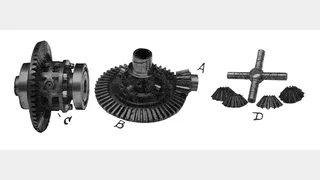
A proper selection starts with the type of differential and the method of drive. In a chain-driven layout, a sprocket bolts to the differential input flange, and the axle shafts leave the housing at a right angle to the chain run. Many small cars use an open differential because it is light and simple, but a limited-slip or locking unit often improves traction in a very light vehicle with abrupt power delivery. The builder must also confirm final-drive ratio, case width, and whether the housing orientation keeps oiling and venting correct under cornering loads. A fault code cannot prove a part has failed because many bike-engine swaps use no electronic diagnostics at all.