Diesel Car Dashboard Warning Lights: Glow Plug, DPF and AdBlue Explained
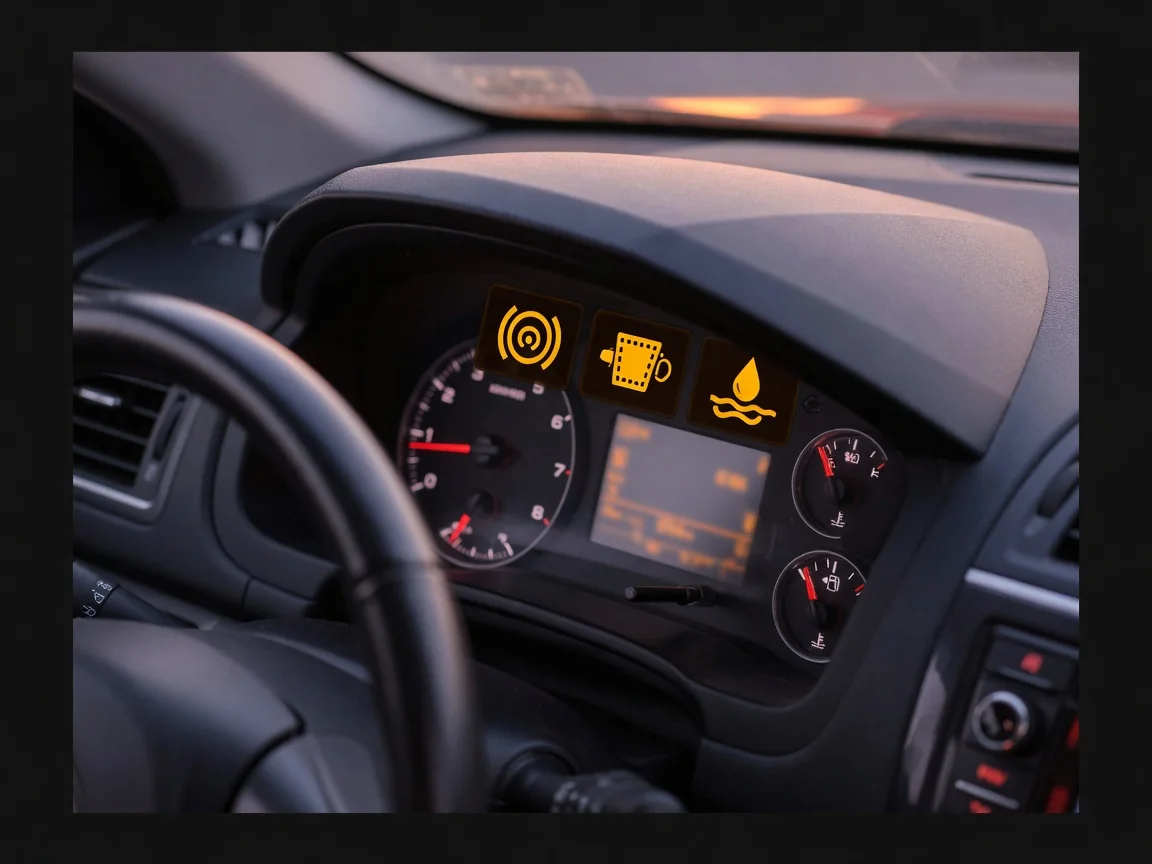
Diesel cars use unique systems that gasoline vehicles lack, so their dashboards include several warning lights unfamiliar to many drivers. Understanding the glow plug indicator, DPF warning light, and AdBlue alert can prevent costly damage and unexpected breakdowns. Each symbol communicates a specific need, from waiting to start the engine to allowing a filter to regenerate. Recognizing these diesel car dashboard warning lights early helps keep the vehicle running efficiently and avoids unnecessary trips to the workshop.
Why Diesel Cars Have Their Own Set of Dashboard Warning Lights
Diesel engines depend on several components that gasoline engines do not have, and the instrument cluster reflects this. The glow plug light indicates the preheating system, while the DPF and AdBlue warnings relate directly to emissions control. These alerts appear because diesel combustion produces more soot and nitrogen oxides. The car must actively manage those byproducts through regeneration or exhaust fluid injection, and the dashboard communicates when the driver's attention is required to support these processes. Without these signals, routine operation could silently damage expensive hardware.
The color of a warning light is the first clue to its urgency. In most vehicles, amber or yellow means service is needed soon, while red demands immediate action—often pulling over safely. However, manufacturers vary in their conventions, and some lights flash or change color depending on severity. The exact meaning depends on the symbol shape and behavior. Because no universal standard exists across brands, the owner's manual remains the authoritative source for interpreting any specific warning in a given model. Drivers should read the full text message if one appears in the cluster.
Glow Plug Indicator: Normal Cold-Start Behavior vs a Possible Fault
The glow plug symbol typically resembles a coiled spring or heating element. When the ignition is switched on, it normally lights for a few seconds, especially in cold weather, as the glow plugs warm the combustion chambers. This preheating makes the air-fuel mixture easier to ignite. Standard advice is to wait until the light goes out before cranking the engine. However, the required wait time varies by outside temperature and engine design, so the owner's manual should be followed closely. A light that goes out quickly in warm conditions is usually normal.
A glow plug indicator that flashes while driving or stays illuminated after startup often points to a problem in the preheating circuit or engine management system. On some models, a steady glow plug light can also indicate a general engine fault unrelated to the glow plugs themselves. Observing related symptoms helps a technician: hard starting when cold, rough idling, or white smoke from the exhaust on startup suggests incomplete combustion. Because testing individual glow plugs and their control module requires specialized tools and access, professional diagnosis is recommended rather than attempting repairs at home.
DPF Warning Light: What a Clogging Particulate Filter Needs From the Driver
A diesel particulate filter traps soot from the exhaust to meet emissions standards. Under normal driving, the filter periodically burns off the trapped soot through a process called regeneration. Frequent short trips or slow city driving can prevent regeneration from completing, causing soot to accumulate. When the DPF warning light comes on, it usually means the filter is becoming restricted and needs a regeneration cycle. The owner's manual may describe driving conditions that help, such as maintaining a steady speed for a certain period. Ignoring the light can eventually lead to expensive filter replacement.
If regeneration is already underway, it is important not to interrupt it unless the manual instructs otherwise. Stopping the engine mid-cycle can leave the filter partially clogged. A DPF light that stays on after an attempted regeneration, or one that appears with reduced engine power, indicates a more serious blockage. Forced regeneration requires professional equipment, and removing or tampering with the filter is illegal in many regions and can cause the car to fail inspections. A lingering warning should prompt a workshop visit for proper diagnosis and cleaning.
AdBlue and DEF Warnings: Low Fluid, System Faults and Start Restrictions
AdBlue, also known as diesel exhaust fluid or DEF, is injected into the exhaust of SCR-equipped diesels. It reacts with nitrogen oxides to form harmless nitrogen and water vapor. The car monitors both the fluid level and quality because an empty or contaminated tank can disable the emissions system. A low-level AdBlue warning often appears as a text message with a countdown in miles or kilometers. Drivers should top up the fluid before the countdown reaches zero. Never wait until the tank is completely empty, as many vehicles will prevent the engine from restarting once the level drops too low.
Some AdBlue warnings indicate a system fault rather than low fluid. These may be triggered by poor-quality fluid, a failed injector, or a sensor issue. The display may show a message such as 'AdBlue system fault' or 'SCR error.' Using only fluid that meets the specification in the owner's manual is essential, and it must never be poured into the fuel tank—a common and costly mistake. If AdBlue was accidentally added to the diesel tank, do not start the engine; have the vehicle towed to a professional. Persistent fault warnings after refilling require diagnostic equipment to identify the underlying problem.
Water-in-Fuel, Fuel Filter and Other Diesel-Specific Alerts
Diesel fuel systems operate at extremely high pressures and tight tolerances, making them sensitive to contamination. Water can condense inside the fuel tank or enter with the fuel, and many diesels have a water separator in the fuel filter. A water-in-fuel warning light, often shown as a droplet or a filter icon, indicates that the separator needs draining. The owner's manual will state how urgent the warning is. Some manufacturers advise stopping soon to prevent water from reaching the injectors, which can cause corrosion and failure.
Draining the water separator or replacing the fuel filter should be done by a qualified technician. The fuel system can remain pressurized even when the engine is off, and opening it without proper tools can cause injury or fuel spills. Drivers can note related symptoms such as engine stumbling, loss of power under acceleration, or hard starting. These observations help the technician pinpoint the issue. However, similar symptoms can come from other causes, so the warning light itself is not proof of water in the fuel; a professional inspection is needed.
Engine Management Lights, Reduced Power Mode and Diagnostic Codes on Diesels
The check engine light on a diesel often relates to emissions components: the EGR valve, DPF pressure sensors, or SCR dosing system. Many root causes are possible, from a loose fuel cap to a failing sensor or actual mechanical fault. When the light comes on, the engine computer stores a diagnostic trouble code. However, many codes are manufacturer-specific, and their meaning depends on the exact vehicle make, model, and engine. A code reader can retrieve the code, but interpretation requires vehicle-specific service information. The code indicates which system reported a problem, not necessarily which part failed.
Reduced power mode, often called limp mode, is a protective strategy. The engine computer limits speed or power to prevent further damage when a serious fault is detected. Driving at highway speeds in limp mode can be unsafe and may worsen the underlying issue. The correct response is to reduce speed, avoid heavy acceleration, and proceed to a safe place. Continuing to drive hard can cause expensive secondary failures. After the vehicle is stopped, a professional scan can identify the code and its specific meaning for that vehicle, avoiding guesswork and unnecessary part replacement.
When to Keep Driving, When to Stop and When to Book a Diagnosis
The safest response to a diesel warning light depends on its color and accompanying symptoms. Red warnings, or any warning paired with smoke, unusual noises, overheating, or a major loss of power, signal an immediate problem. Pull over safely as soon as possible and turn off the engine. Continuing to drive in such conditions can cause severe damage or create a traffic hazard. Amber warnings often allow careful driving to a workshop, but only within limits stated in the owner's manual. If the manual says to stop, follow that instruction.
When any warning light appears, note what the car was doing at the time—speed, engine temperature, recent refueling, and any messages shown in the cluster. These details help a technician diagnose the problem faster. A warning that returns after being cleared, stays on continuously, or appears together with other alerts requires professional testing. Clearing codes at home and hoping the light stays off does not fix the underlying fault and can leave the vehicle unreliable. Proper diagnosis is worth the cost compared to repeated repairs or a sudden breakdown.