Detroit DD15 and Series 60 Oil Pressure Sensor: Location and Replacement
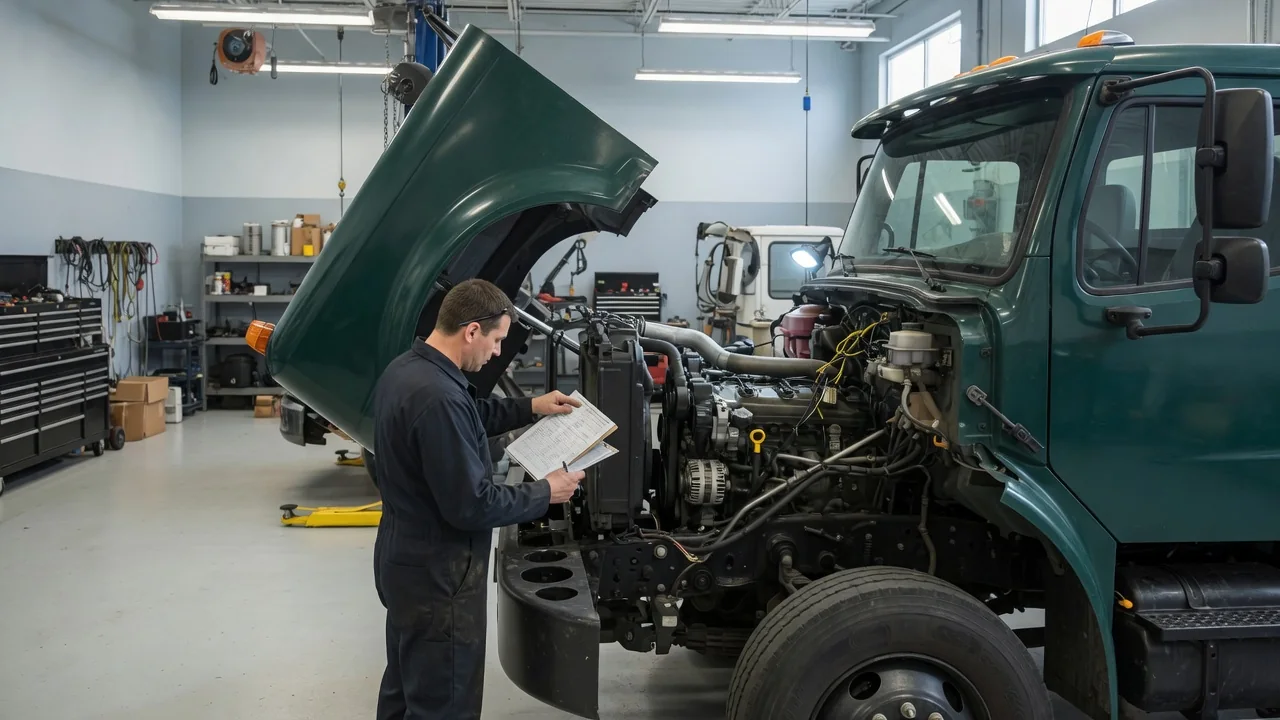
Freightliner Cascadia operators looking for the DD15 oil pressure sensor location, and Detroit Diesel owners tracing a Series 60 oil pressure sensor, need engine-specific landmarks rather than cab model names. The oil pressure sender on a DD15 or Detroit 60 Series reports gallery pressure to the engine control module. Identify the engine, locate the sensor on each family, interpret warnings, and plan replacement without treating a code as proof the sender failed.
Identify the Engine Before Locating the Cascadia Sensor
A Freightliner Cascadia oil pressure sensor search often starts with the tractor name, yet Cascadia chassis have been built with more than one Detroit Diesel engine family. The oil pressure sensor DD15 location is not interchangeable with a Detroit Series 60 oil pressure sensor mounting, and even within one family the sender can sit on different galleries depending on the build. Record the engine model plate, the engine serial number, and available build data before opening service literature. Those identifiers select the correct parts illustration rather than a look-alike fitting on a neighboring boss.
Appearance alone is a poor identity check. An oil pressure sender, a temperature probe, and unused gallery plugs can share similar hex bodies and sensor connector shells. The engine-specific parts illustration ties the oil pressure sensor DD15 or 60 series Detroit oil pressure sensor to a callout, a harness cavity, and the oil gallery it samples. Match connector keying and the harness branch to the wiring harness on the engine, then confirm the part number against the serial-selected catalog. That sequence keeps a Cascadia operator from ordering a sender for a different Detroit configuration.
Locate the DD15 Oil Pressure Sensor Using Engine Landmarks
Before describing a DD15 oil pressure sensor location, establish which DD15 configuration is installed, including the engine serial number and electronic-control arrangement on that Freightliner Cascadia. Verified service information, not a neighboring truck, defines the mounting area, the nearest fixed landmarks such as the oil filter housing or block gallery, and the viewing direction from which the sender is visible. Some DD15 layouts allow inspection from the ground on a parked, cooled engine with the parking brake set; others tuck the fitting behind accessories that require shop access.
With the engine off and cool, compare the parts diagram to what you can see without reaching into hot or moving areas. The oil pressure sensor on a DD15 is identified by its callout and the sensor connector assigned to the oil-pressure circuit, not by hex size. Nearby temperature senders, switches, and gallery plugs can look similar until the wiring harness branch and connector keying match the illustration. If the documented position sits behind a turbo or a tight frame rail, stop at visual confirmation and leave disconnection to a technician.
Find and Identify the Series 60 Oil Pressure Sensor
A Detroit 60 series oil pressure sensor is located only after the Series 60 engine serial number and the applicable electronic-control configuration are known. Those details select the service pages for that Detroit Series 60 oil pressure sensor, because layouts changed across production. The documented mounting is a threaded port on an oil gallery or related housing in the illustration, with landmarks such as the oil cooler or filter adapter for orientation. View the engine while parked, secured, and cool, and treat any location requiring component removal as shop work.
The parts illustration and wiring information, not the gauge face, establish which component supplies the oil pressure signal to the engine control module. On a 60 series Detroit oil pressure sensor circuit, a switch, a sender, and a later electronic sensor can occupy similar bosses, so the harness cavity and circuit name decide identity. Aftermarket gauges and modified wiring harness splices appear on some Series 60 engines and can feed a dash instrument from a different fitting than the factory oil pressure sender. Confirm that identity against the serial-selected catalog before ordering a replacement.
Understand DD15 Sensor Symptoms and Their Limits
The DD15 oil pressure sensor reports gallery pressure to the engine control module so the module can compare that signal with expected conditions. An implausible, dropped, or intermittent reading may appear as an oil pressure warning, an erratic dash indication, or a stored fault, yet none of those displays prove the sender has failed. Actual pressure loss, a damaged sensor connector, an open wiring harness, or a module input fault can produce the same message. Record the warning text and any fault identifier, then confirm that identifier's meaning in engine-specific service information before interpreting it.
Safe owner observations stay visual. With the truck parked and the engine off and cooled, note oil traces at the sender, cracked connector housings, or a chafed harness, and do not probe hot or moving parts. An oil pressure warning while driving is not a cue to keep rolling; stop safely, shut down under the manufacturer's guidance for that message, and arrange professional diagnosis. The same caution applies to a Detroit Series 60 oil pressure sensor warning, because true lubrication loss can damage bearings before a sender is proven faulty.
Confirm the Fault and Plan Sensor Replacement
A qualified technician should treat a suspect DD15 oil pressure sensor or oil pressure sensor Detroit Series 60 as a circuit to prove, not a part already condemned. Electrical checks of the sensor connector, wiring harness continuity, and engine control module input can separate an open circuit from a sender that is reporting. An approved mechanical pressure test at the documented gallery port then shows whether oil pressure itself is present while the electronic reading is not. Only when those results disagree as the service procedure describes does replacement become the next step.
Select the replacement through the engine serial number and the applicable parts documentation; connector shape does not prove compatibility across DD15 and Series 60 Detroit oil pressure sensor applications. Replacement work covers safe access, connector assessment, contamination control at the oil gallery, and installation to the specified procedure, without improvised thread sealant or guessed torque. Thread sealing requirements and tightening specifications must come from that engine's service information. Damaged wiring, damaged threads, inaccessible fittings, or unresolved low pressure on a mechanical pressure test are reasons to complete professional repair rather than install another sender.
Verify Oil Pressure Reporting After Replacement
After a DD15 oil pressure sensor or Detroit 60 series oil pressure sensor is installed, a technician should verify that reported values are plausible under the manufacturer-defined test conditions for that engine, not a generic pressure chart. Those conditions typically include specified speed, temperature, and idle or loaded states listed in the service information. Before the Freightliner Cascadia returns to service, inspect the oil gallery fitting for leakage, confirm the sensor connector is seated and locked, and watch whether the oil pressure warning returns during the operating window that first raised the concern.
Clearing a fault or watching a gauge recover does not by itself prove the underlying problem is resolved. A wiring harness that still chafes, an engine control module input that remains noisy, or lubrication pressure that only looks normal at idle can bring the same oil pressure warning back on the next loaded run. Document the installed part number, the engine serial number used to select it, the diagnostic findings including any mechanical pressure test results, and the verification conditions. That record shortens the next visit if the DD15 or Series 60 oil pressure sender circuit misbehaves again.