Decode Muncie transmission identification numbers
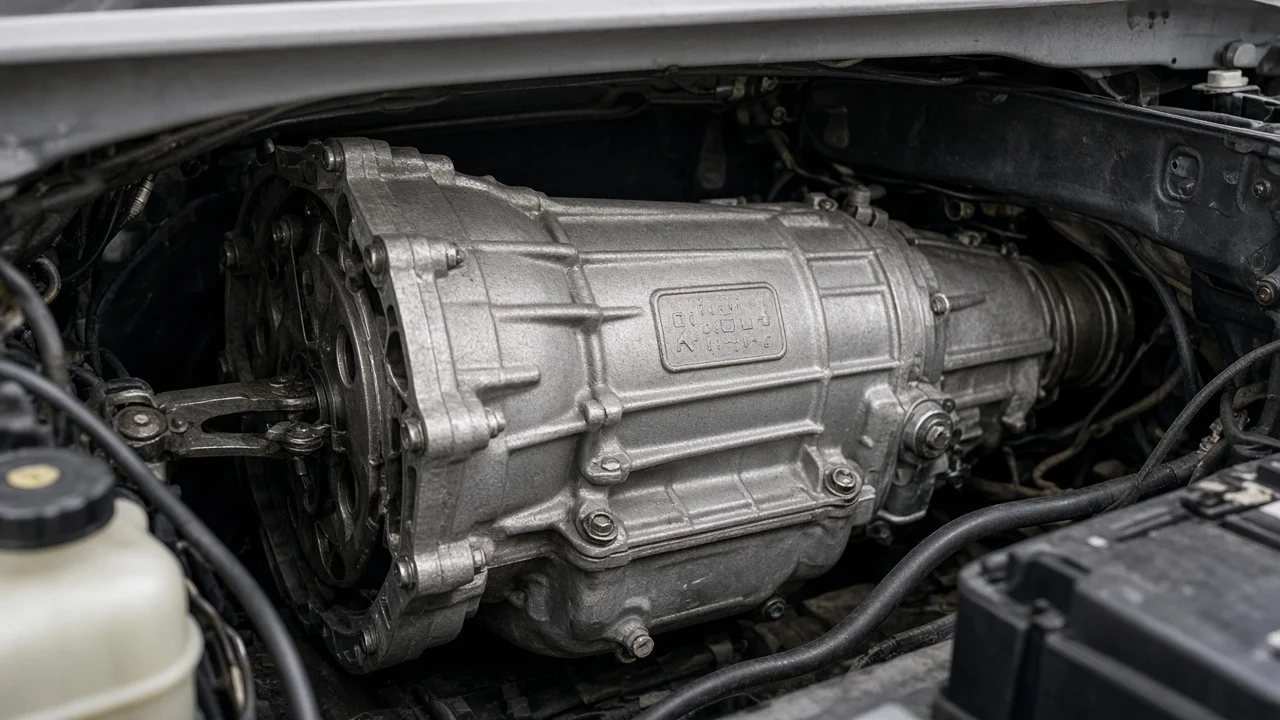
Muncie transmission identification numbers appear in two different forms depending on the era and source of the gearbox. The term often leads owners to a vehicle identification number, but the more useful decoding path for these classic four-speeds is the stamped production code on the transmission case. That stamping can reveal the assembly plant, build date, and original gear-ratio family, helping distinguish a close-ratio unit from a wide-ratio or overdrive replacement. Interpreting the marks correctly requires knowing which surfaces to inspect and which characters are meaningful for the vehicle configuration.
Essential answer
Decoding a Muncie transmission identification number is not the same as decoding a VIN, even though some registration and parts records may list a transmission-related stamp in vehicle documentation. The primary stamped code on a Muncie case typically begins with the letter P, followed by a sequence that narrows the assembly plant, production date, and original ratio designation for the gearbox. Because the sequence was applied at the transmission plant rather than the final vehicle assembly line, it should be read as a component identifier and interpreted with the application in mind.
The practical value of the stamp is that it helps confirm whether a transmission is original to a particular muscle car or has been substituted during decades of service. A date code that falls weeks before the vehicle build is often considered credible for a factory installation, but this is an interpretive clue rather than absolute proof. Without supporting documentation, the code narrows the candidate range and should be combined with case design, input shaft spline count, and tail housing features.
Identification and location
The main production stamping is usually found on the passenger-side face of the main case near the top or along a machined pad toward the extension housing. Grease, paint, and corrosion can hide the shallow characters, so cleaning the area mechanically or with a mild solvent can improve legibility. Paint the pad lightly and wipe the surface to leave contrast in the stamped characters if the marks are faint.
The characters following the P prefix typically lead with a single letter for the assembly plant, followed by a four-digit sequence for the month and day of production, and a final letter that distinguishes the transmission model and gear set. Manufacturer-dependent coding means the exact interpretation changes across model years, production plants, and vehicle divisions. Owners should compare the full stamp against application-specific documentation rather than relying on a universal decode chart.