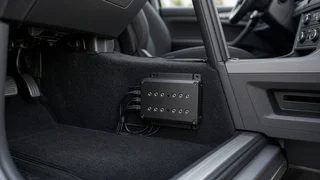
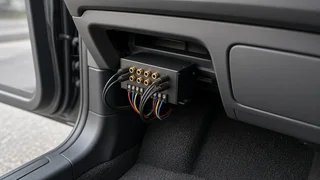
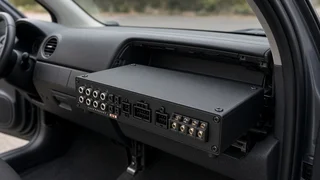
Dayton Audio car DSP
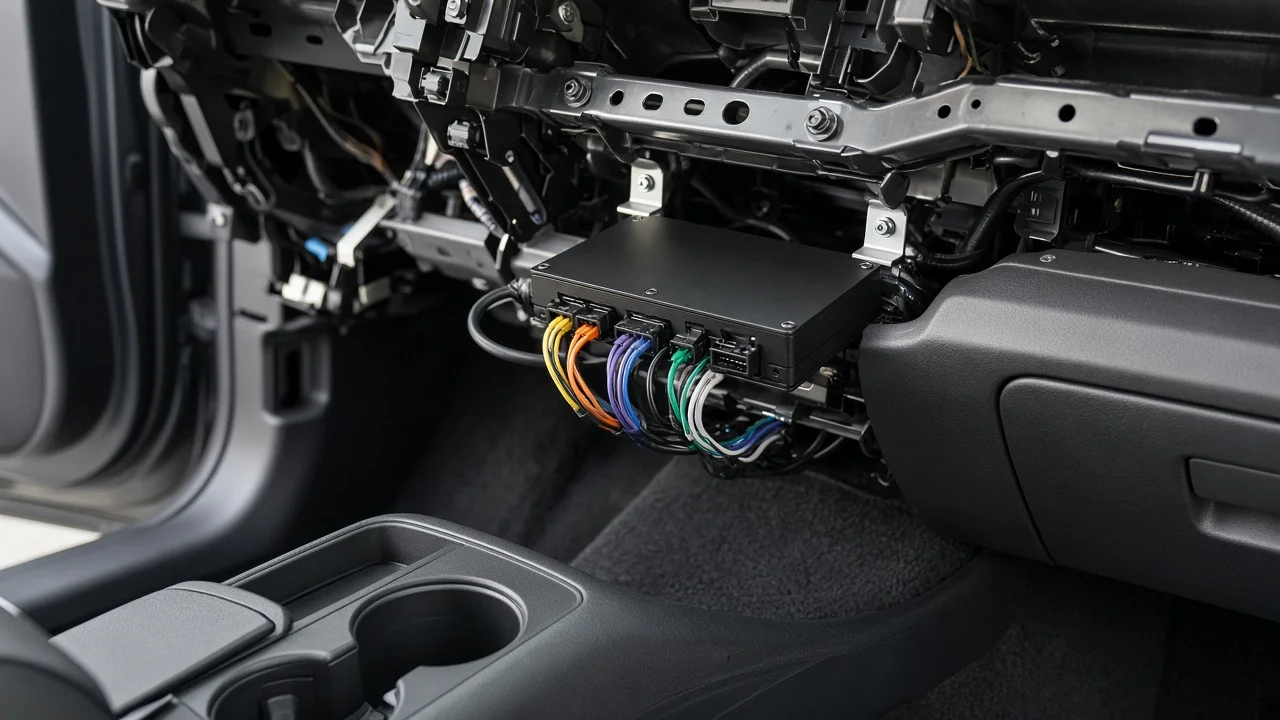
Choosing a Dayton Audio car DSP starts with understanding what a digital signal processor actually changes in a vehicle audio system. It is the control point for signal routing, equalization, crossover setting, channel delay, and speaker alignment. Buyers often ask how this device improves a stock or aftermarket setup without replacing every speaker. The answer depends on how the processor manages input level, sums channels, and feeds each amplifier output. Shopping by name alone misses the practical differences in tuning software, input voltage tolerance, and output count that determine whether the unit fits a specific car.
The direct answer
A Dayton Audio car DSP is worth considering when the stock head unit or basic amplifier cannot correct poor staging, uneven response, or active crossover needs. The immediate answer is that it gives independent control over each output channel, allowing the installer to set high-pass and low-pass filters that protect midrange drivers and tweeters while directing bass to a subwoofer. This capability matters when factory integration is required, because a processor with high-level inputs can accept a speaker-level signal and convert it into clean preamp outputs.
Buyers should confirm the unit can handle the vehicle's input voltage and provide enough channels for the planned speaker layout. A four-channel processor may be enough for front components and a subwoofer, while an eight-channel output suits three-way active fronts with rear fill. Since a fault code or unusual behavior in a factory amplifier is evidence to interpret rather than proof that a DSP is needed, the practical choice depends on the existing signal. Matching the processor's tuning interface and output routing to the installation goal avoids paying for processing that the car cannot use.