CVT Transmission Whine: Sounds That Need Attention
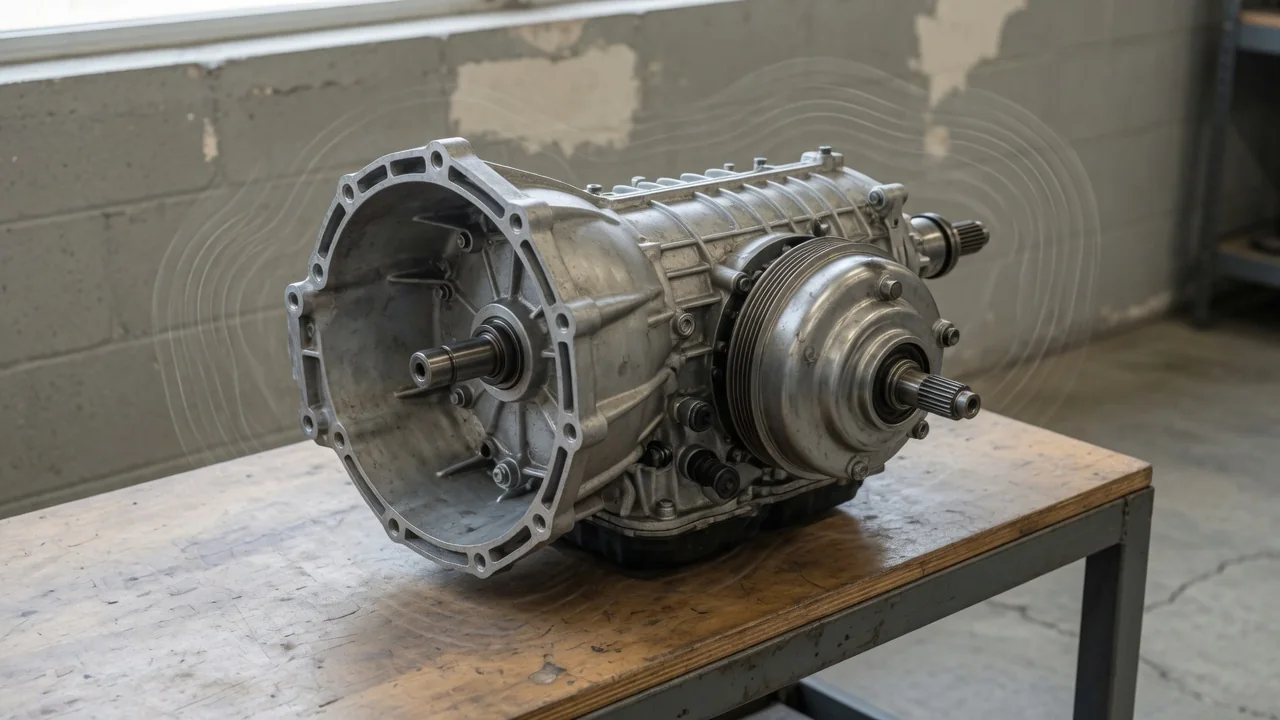
A CVT transmission whine can mean anything from normal operation to early internal wear. Continuous variable transmissions change ratios without stepped gears, so they often hold engine RPM while road speed climbs, producing a steady hum that unfamiliar drivers may question. Separating expected noise from a whining CVT transmission that needs attention depends on timing, intensity, and accompanying symptoms. Not every CVT transmission noise signals failure, but new or worsening sounds deserve a systematic check before small wear becomes major damage.
When a CVT Sound May Be Expected
Some CVTs naturally emit a soft whir or hum that reflects their operating principle. A steel belt or chain runs between variable pulleys, and hydraulic pressure keeps it clamped; this contact can generate a subdued mechanical sound. Vehicle designers tune the cabin and transmission mounts to reduce the noise, so the baseline level differs by model. A faint, steady whine heard only under acceleration may simply be how that powertrain behaves, especially in smaller cars with less sound insulation.
A whining CVT transmission can also be caused by the engine staying at high RPM while the vehicle gains speed. Because the transmission adjusts its ratio continuously, the engine note may rise and then hold at a constant pitch rather than shifting through stepped gears. That sustained powertrain sound can be mistaken for a fault. However, a sound that is new, persistent, or progressively louder—even without a warning light—deserves investigation. The CVT whine itself is not proof of internal damage.
What the Timing of a Whine Can Reveal
The moment a whine appears offers the first diagnostic clue. A noise at startup may point to a fluid pump building pressure, especially when cold, while a whine during ordinary acceleration often reflects belt or pulley contact under load. A steady-speed hum could relate to drivetrain components or even tires, and a sound that changes after warm-up may involve fluid behavior. Writing down when the noise occurs helps a technician decide whether the transmission, an accessory, or another rotating part is the likely source.
A CVT transmission noise that rises and falls strictly with engine RPM suggests something driven at engine speed, such as the input shaft or pump. A sound that tracks road speed often involves the wheels, axles, or final drive. Load also matters: a whine present only under acceleration may indicate a different wear pattern than one heard during deceleration. Because these relationships only narrow the search, a technician still needs to perform fluid checks and listening tests. The sound alone cannot identify a failed belt, bearing, or valve body.
Hum, Rattle, and Grinding Need Their Own Context
Grinding from a CVT is more concerning than a smooth whine. Harsh mechanical contact usually means metal parts are interfering, especially when the noise comes with vibration or rough operation. A grinding noise that appears suddenly during acceleration or when selecting a gear warrants immediate attention. However, not every harsh sound originates inside the transmission. A heat shield buzzing, a failing alternator bearing, or a worn engine mount can imitate transmission problems and needs to be ruled out before internal work is considered.
Cabin acoustics can make source identification surprisingly difficult. A wheel bearing hum often changes when steering or loading one side of the vehicle, and an exhaust shield rattle may echo through the floor. Tires with uneven wear can produce a road-speed-dependent drone that drivers blame on the CVT. A recording can help a shop understand the complaint, but playback quality, background noise, and microphone placement mean the recording supports diagnosis rather than confirming it. Finding the true source still requires hands-on inspection.
Safe Observations to Record Before an Appointment
Before visiting a shop, write down the events surrounding the noise. Note when it first appeared, whether it changed after recent service such as a fluid exchange or tire rotation, and the outside temperature when it is most noticeable. Describe any change in drivability—slipping, delayed engagement, shuddering—alongside the sound. Also record any transmission warning light or message that appears on the dash. A passenger can safely write notes while the vehicle is moving; the driver should keep full attention on the road.
At home, look for evidence without crawling under the vehicle or touching hot parts. Check the ground where the car is normally parked for fresh drips or stains, and note their approximate location relative to the front wheels. Red or brown fluid could be transmission fluid, but many modern CVTs require a specific procedure and may not have a conventional dipstick. Do not open fill plugs or add fluid without the documented procedure. Sharing these observations gives the technician a clearer starting point.
How a Shop Investigates CVT Whining
A shop often begins by putting the vehicle on a lift and using a mechanic's stethoscope or chassis ears to localize the whine. The technician will inspect the transmission case, cooler lines, and seals for leaks and check the fluid level and condition according to the manufacturer's procedure. Fluid that is low, dark, or has a burnt odor changes the diagnostic direction. These checks can reveal whether the CVT transmission whining noise correlates with aeration in the fluid, a failing pump, or a restricted cooler.
A diagnostic scan may reveal stored fault codes in the transmission control module, but a clean scan does not clear a mechanical concern. Many wear-related noises never trigger a code. Any code that does appear must be interpreted with the vehicle-specific service information, because a pressure sensor code can be the result of low fluid rather than a failed sensor. The whine is a symptom, not a diagnosis. A repair recommendation should follow from fluid condition, operating data, and targeted tests—not from sound alone.
When to Stop Driving and Arrange Help
Certain symptoms demand that you stop driving. Severe grinding, sudden loss of propulsion, smoke from under the hood, an overheating warning, or a substantial fluid leak indicates that continued operation could cause further damage or create a traffic hazard. Pull over when safe, turn off the engine, and arrange for a tow. Follow the owner's manual for towing: many CVT-equipped vehicles must be moved with the drive wheels off the ground or on a flatbed to prevent additional transmission damage.
A mild whine that is new or getting louder does not necessarily mean the vehicle cannot be driven a short distance to a repair shop, but it should be assessed promptly. If the whine appears with delayed engagement, shuddering, or abnormal acceleration, the safest choice is to have the vehicle towed. No one can guarantee how far a transmission will operate once wear is audible, and ignoring a sound that is changing can turn a fluid service into an expensive rebuild.