Identifying a CVT Transmission Pressure Control Solenoid
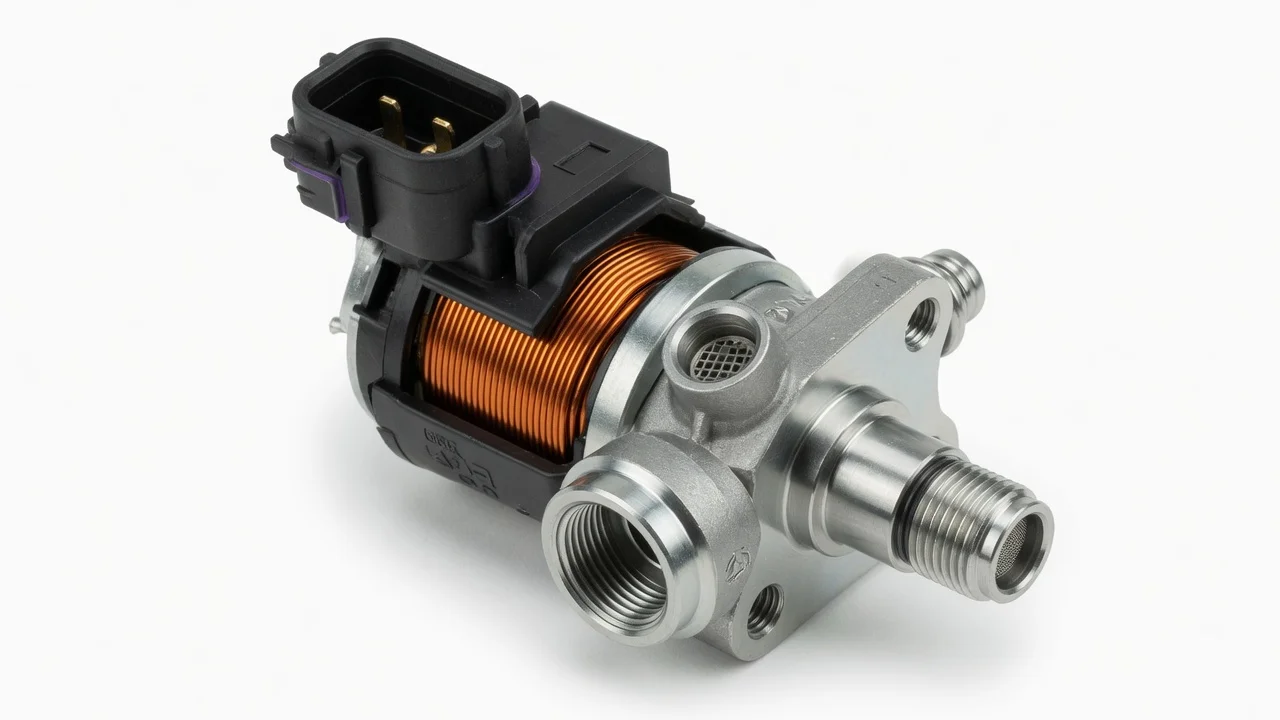
A pressure control solenoid in a continuously variable transmission is an electrically operated valve. It helps set the hydraulic pressure the unit uses to grip its belt or chain and change ratio. Finding the right one depends on the exact transmission, because CVTs differ in how many pressure solenoids they use, where those parts sit and whether they can be replaced individually. This guide explains how to identify the part and how to read warning signs without jumping to conclusions.
Short answer: where the solenoid is and how to identify it
On most CVTs, the pressure control solenoids are mounted on the valve body inside the transmission case, usually behind the oil pan or a side cover. They are not normally visible from under the hood. The reliable way to identify the correct one starts with the exact transmission model, which can be confirmed from the vehicle identification number, the build label or a tag or stamping on the transmission case. From there, the solenoid is matched by its function, its position on the valve body, its connector and its part number in the service information for that unit.
Expect more than one candidate. Many CVTs have separate solenoids for line pressure, for the primary and secondary pulleys, for the torque converter lockup clutch and for engaging the forward and reverse clutches. A trouble code or repair estimate that mentions a pressure control solenoid may refer to any of these, depending on how the manufacturer labels them. Identifying the part therefore means identifying which circuit is involved, not just finding a component with that general name.
How pressure control works in a CVT
A belt- or chain-type CVT changes ratio by moving the halves of two variable pulleys. The primary pulley is driven from the engine side, and the secondary pulley drives the wheels. Hydraulic pressure pushes the pulley halves together to squeeze the belt or chain, and changing the pressure on each pulley changes their effective diameters and therefore the ratio. Too little clamping force can let the belt or chain slip and wear; too much wastes energy and loads the components.
The transmission control module calculates the pressure it needs from inputs such as throttle position, vehicle speed, engine torque, fluid temperature and pulley speeds. It then commands the solenoids, typically by varying current or duty cycle, so they move spool valves in the valve body and regulate oil flow from the pump. Some units also use pressure sensors so the module can compare commanded pressure with what is actually produced. A problem anywhere in this chain, including low or degraded fluid, a sticking valve, a worn pump, a wiring fault or a weak solenoid, can produce similar pressure-related complaints.
What changes the answer
Transmission type matters first. CVTs from different makers, and different generations from the same maker, use different solenoid counts, layouts and naming. Some designs pair the belt and pulleys with a planetary gearset or a separate launch gear, which adds clutches and solenoids. Many hybrids described as having a continuously variable transmission use a power-split design with no belt or pulleys at all, so pulley pressure solenoid guidance does not apply to them.
Serviceability also varies. On some transmissions an individual solenoid can be unbolted and replaced. On others, solenoids are sold only as part of the valve body or a control assembly, and the replacement may need to be registered or programmed to the control module using calibration data supplied with the part. Fitment can change within a single model year, so a part that looks identical may differ in calibration, connector or internal characteristics. Operating conditions matter as well: fluid temperature, a recent fluid service, low system voltage and software updates can all influence shift behavior and how a fault shows up.
What the owner can do
Start by recording the exact vehicle details: VIN, model year, engine, drivetrain and, if available, the transmission model code. Then note what the transmission does and when. Useful observations include whether the problem appears cold or hot, during takeoff or at steady cruise, under light or heavy throttle, and whether the vehicle enters a reduced-power or limp mode. Write down any warning lights and how often the symptom occurs. This helps a technician narrow the diagnostic path far more than a general description of slipping.
Read diagnostic codes with a scan tool that can access the transmission control module, not only the engine module, and save the freeze frame data before clearing anything. Generic codes in ranges such as P0745 to P0749, P0775 to P0779, P0795 to P0799 and P0960 to P0974 relate to pressure control solenoids and their circuits. However, the A, B and C letter designations are assigned by each manufacturer, so the code alone does not tell you which physical solenoid on your unit is meant. A circuit code points toward wiring, connectors or the electrical side of the solenoid; a performance or stuck code can also stem from fluid, valve or mechanical problems.
Check the fluid only according to the procedure for your transmission. Many CVTs have no dipstick and require the level to be checked at a specified fluid temperature through a fill or check plug, often with the engine running. Use only the fluid specification listed for that unit; CVT fluids are not interchangeable with conventional automatic transmission fluid, and the wrong fluid can change friction and pressure behavior. Review the service history for fluid changes, software updates, technical service bulletins and earlier repairs, because they can explain a symptom or change which repair makes sense.
Matching a replacement part
If testing shows a solenoid is faulty, match the replacement by VIN or transmission part number rather than by appearance. Compare the part number on the old component when it is accessible, confirm whether the solenoid is sold separately or only with the valve body, and check whether programming is required after installation. Repair options generally range from replacing a single solenoid or the valve body to installing a remanufactured transmission when internal wear is found. Heavy debris on the pan magnet, metallic particles in the fluid or a burnt smell suggest the problem may extend beyond one solenoid and should be investigated before parts are ordered.
Limitations and next step
No symptom by itself confirms a failed pressure control solenoid. Slipping, shudder, engine speed flare, harsh engagement or limp mode can come from fluid condition, a worn belt or pulley, a failing pump, valve body wear, sensor faults, wiring damage or software calibration. Resistance checks and connector inspection can support a diagnosis, but the expected values, test procedures and pinouts must come from the service information for the exact transmission, and some faults appear only under load or at operating temperature.
If codes point toward pressure control, or the transmission slips or goes into limp mode, limit driving and have the unit evaluated by a shop with a capable scan tool and access to the manufacturer procedures. Driving with insufficient clamping pressure can damage the belt or chain and the pulleys, turning a repair that might have been limited to a solenoid or valve body into a full transmission replacement. Before approving work, ask for the specific code, the test results and the reasoning behind any part recommendation.