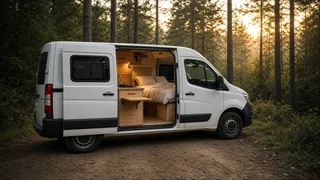
Cutaway van camper conversion
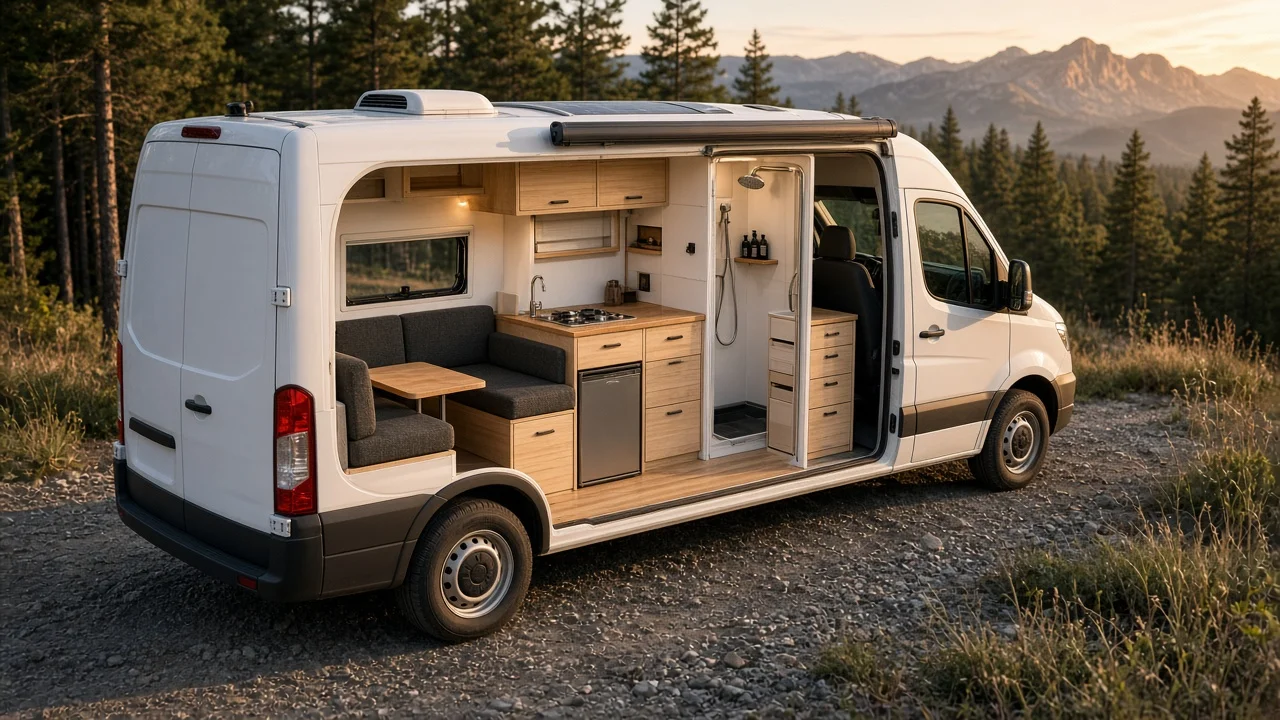
A cutaway van camper conversion takes an incomplete van chassis where the body stops behind the cab and pairs it with a purpose-built RV box or custom habitat. This body configuration creates a different starting point than a standard cargo van, because the living space is added rather than fitted inside an existing shell. Buyers researching this option typically want to know how the layout, cargo access, seating layout, wheelbase, powertrain options and market specification shape the finished camper. The result can be a spacious, walk-through motorhome with strong load capacity and flexible floor planning, but it also brings distinct construction and ownership considerations.
Essential answer
A cutaway van camper conversion is a recreational vehicle built on a van chassis that leaves the factory with a cab and frame rails but no complete rear body. The converter or RV manufacturer attaches an insulated box, camper shell, or custom living module behind the driver area. This approach is common in Class C motorhomes and rental campers because the open rear section allows wide body dimensions, tall ceilings, and a floor plan that is not constrained by the curved walls and wheel wells of a conventional van.
The scope depends on whether the project is a factory-style RV build, a commercial upfit, or a private conversion. Some owners buy a bare cutaway with the cab included, while others work from a used commercial van that already has a service body. The cab-to-box pass-through, rear door placement, and overall vehicle length vary with the selected wheelbase and market specification, so the same basic concept can produce a compact weekend camper or a long family motorhome.