CURT TriFlex trailer brake controller

Choosing a trailer brake controller means matching the unit to your tow vehicle, trailer brakes, and expected loads before you buy. The CURT TriFlex trailer brake controller and the TriFlex Next proportional controller part 51146 are designed to deliver smoother trailer braking, but there are still fitment and wiring details to confirm. A controller that works well on one pickup may need an adapter or specific mounting position on another. Understanding how the control signal is produced, how the trailer responds, and how to verify the install helps prevent weak braking, aggressive grabbing, or a controller that will not power up.
The direct answer
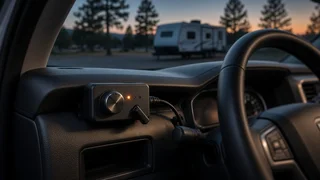
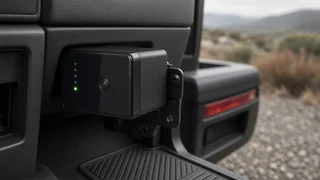
A trailer brake controller is only a good purchase when the activation type matches the tow vehicle and your intended trailer. A proportional unit such as the CURT TriFlex Next 51146 uses a sensor to measure deceleration or inertia, then sends a signal that rises and falls with the tow vehicle’s actual braking motion. This generally produces more natural trailer brake response than a time-delayed controller, especially when towing different weights or descending grades. Confirm the trailer has electric brakes, because surge or electric-over-hydraulic systems need a different control path.
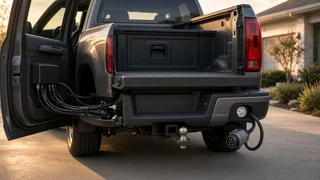
Before ordering, check the connector port, mounting bracket, and harness for your specific truck or SUV. Even a well-reviewed proportional controller needs a vehicle-specific adapter on many late-model vehicles. Without the correct adapter, the controller cannot read the brake signal, receive power, or illuminate the manual override properly. A brake controller is evidence of how the trailer should behave, not a repair for weak brakes, worn friction material, low brake fluid, or seized calipers, so inspect the trailer’s existing braking hardware as a separate step.