Cruise Control and Engine Brake Not Working: Brake Switch Clues
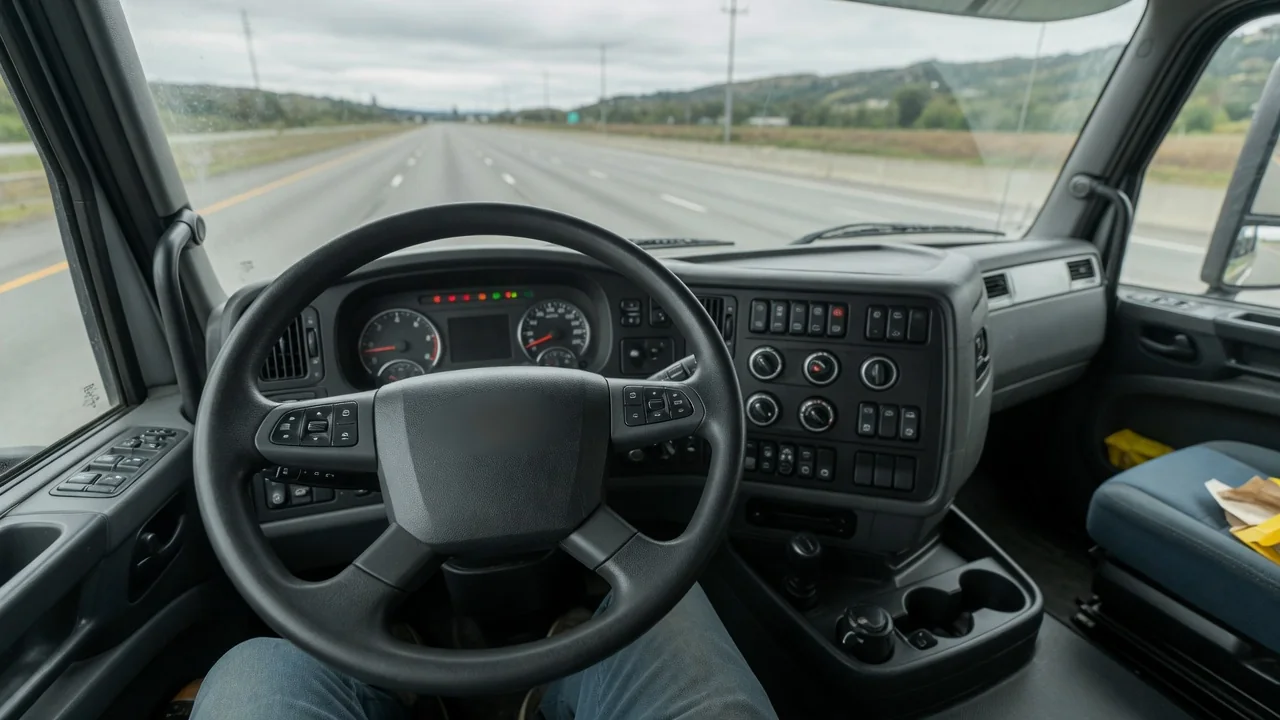
When a Freightliner Cascadia has cruise control and the engine brake not working at the same moment, the pairing itself is a clue. Both features rely on the engine control module trusting a handful of shared inputs, and brake application signals sit near the top of that list. Understanding how those inputs interact helps owners describe the problem accurately and avoid guesswork.
Why Cruise Control and the Engine Brake Can Stop Working at the Same Time
Cruise control and a compression release brake seem like opposites, since one holds speed and the other slows the truck. Both, however, are permissions granted by the engine control module rather than simple on-off circuits. The controller allows each feature only when it judges that operating conditions are safe and that the signals it receives make sense together. If one input looks wrong or goes missing, the controller can withhold both features at once, even though nothing is mechanically wrong with the engine brake hardware or the cruise switches.
The shared enable conditions generally include brake application status, clutch status on manual transmissions, vehicle speed, throttle pedal position, and the dash or steering wheel switch inputs. Losing both features together therefore points toward a common input or a controller decision more than two unrelated failures, although no single cause applies to every truck. Wiring, switch types and enable logic differ by engine, transmission, model year and specification, so the details on any particular Cascadia need to be confirmed against information for that exact truck.
How Brake Application Signals Can Block Cruise and Engine Brake Operation
A controller typically cancels cruise the moment it sees a brake application, and it will not let cruise set while it believes the brakes are applied. If that signal is stuck in the applied state, the system behaves as though the driver's foot never left the pedal. On air-braked trucks, application is often detected by pressure-operated switches in the air system instead of a simple brake pedal switch, and some trucks use more than one signal. The exact arrangement depends on the configuration, which is why vehicle-specific confirmation matters.
Where redundant brake signals exist, the controller compares them. If one says applied and another says released, it may log a plausibility fault and disable related features until the disagreement clears. Working brake lights do not settle the question, because the lamps may be fed by a different switch or circuit than the input the engine controller reads. Brake application pressure switches and air components are safety-critical, so they should never be bypassed, jumpered, adjusted or disconnected to test a theory. That work belongs with a qualified technician.
Other Inputs That Can Prevent Cruise Control and Engine Brake Engagement
On manual-transmission trucks, a clutch position switch tells the controller when the driveline is disengaged. If it reads as pressed when the pedal is up, both cruise and engine braking can be inhibited. The vehicle speed signal matters just as much: when it is missing or erratic, cruise control will not set because the controller has no trustworthy speed to hold, and engine brake behavior can change as well. Worn cruise control switches, engine brake switches, loose connectors or damaged wiring can also stop the driver's request before it ever reaches the controller.
Some inhibits are intentional. Antilock brake or stability system activity can temporarily suspend the engine brake so the drive wheels are not slowed further on a slick surface, and certain active faults elsewhere can do the same by design. Modules also share data over the vehicle network, so a communication fault between the engine, brake and transmission controllers can block features that depend on that shared information. Telling these possibilities apart requires proper diagnostic tools, because the symptoms from the driver's seat can look identical.
Safe Observations to Record Before Diagnosis
Good notes begin with the truck parked and secured. Write down when the problem started, whether it is constant or intermittent, and which dash warnings or indicator lights were on at the time. Patterns are valuable: a fault that appears after rain, a wash, a stretch of rough road, a cold morning or a particular load condition often suggests moisture, vibration or a marginal connection. A technician can use that history to decide where to look first instead of starting from scratch.
On an open road where using cruise is safe and legal, note whether it sets at all, whether it sets and cancels right away, and whether the cruise indicator appears. Note also whether the engine brake responds at any switch setting or stays silent at all of them. Confirm that the cruise and engine brake dash switches are in the expected positions, without removing panels or disturbing wiring. These observations narrow the possibilities, but they cannot confirm a failed part on their own.
Reading Fault Codes Without Guessing What They Mean
Heavy trucks commonly report faults through J1939 fault codes, which pair a parameter number with a failure-mode number, usually shown as SPN and FMI. Manufacturer-specific codes may appear alongside them, and the way everything is displayed depends on whether the reading comes from the dash, a generic scan tool or factory software. Definitions can be manufacturer-dependent, so each code should be looked up for the specific engine maker, software level and truck before anyone draws a conclusion from it.
A code is evidence to interpret, not a verdict. It usually identifies a circuit, a signal or a plausibility problem, and the cause could be a switch, a connector, wiring, an air system condition or a setting. Both active and inactive codes can matter, as can codes stored in other modules such as the brake or transmission controllers, since their data feeds the engine controller's decision. Record every code before anything is cleared, so the original fault history is still available to the technician.
Driving Safely While Cruise Control and the Engine Brake Are Unavailable
Without the engine brake, the service brakes do all the work of controlling speed on a descent. Heat builds quickly in the foundation brakes under sustained use, and the risk of brake fade on downgrades rises with grade length, steepness and weight. That calls for slower approach speeds at the top of a hill, a gear selected before the descent begins, and larger following distances, especially when loaded. The absence of cruise control is an inconvenience by comparison, though it does demand closer attention to speed.
Until the fault is diagnosed, route planning can reduce exposure by avoiding long or steep descents where a practical alternative exists. If any brake warning appears, if a low air pressure indication comes on, or if the pedal or braking response feels different from normal, the situation has changed from a lost convenience to a possible brake system problem. The right response is to stop in a safe place and have the truck inspected before continuing.
When a Heavy Truck Shop Should Take Over
A qualified heavy truck shop can connect manufacturer-level diagnostic software and watch live data while the truck is operated. That view shows switch states for the brake, clutch and cruise inputs, the vehicle speed signal, and in many cases the specific reason the controller is inhibiting cruise or the engine brake. From there a technician may test circuits, inspect connectors for corrosion or damage, and review programmed parameters, since a feature can also be limited by how the controller was configured.
Replacing parts on guesswork tends to cost more than a proper diagnosis, and it carries a particular risk here: if the root cause is a brake signal fault, a swapped switch that happens to restore cruise may leave a safety-related problem unresolved. Owners can speed the process by handing over their notes on when the fault occurs, what the indicators did and which codes were recorded. That information lets the technician reproduce the condition and narrow the diagnosis sooner.