Crown Victoria and Lincoln Town Car EGR Valve: Location, Symptoms and Service
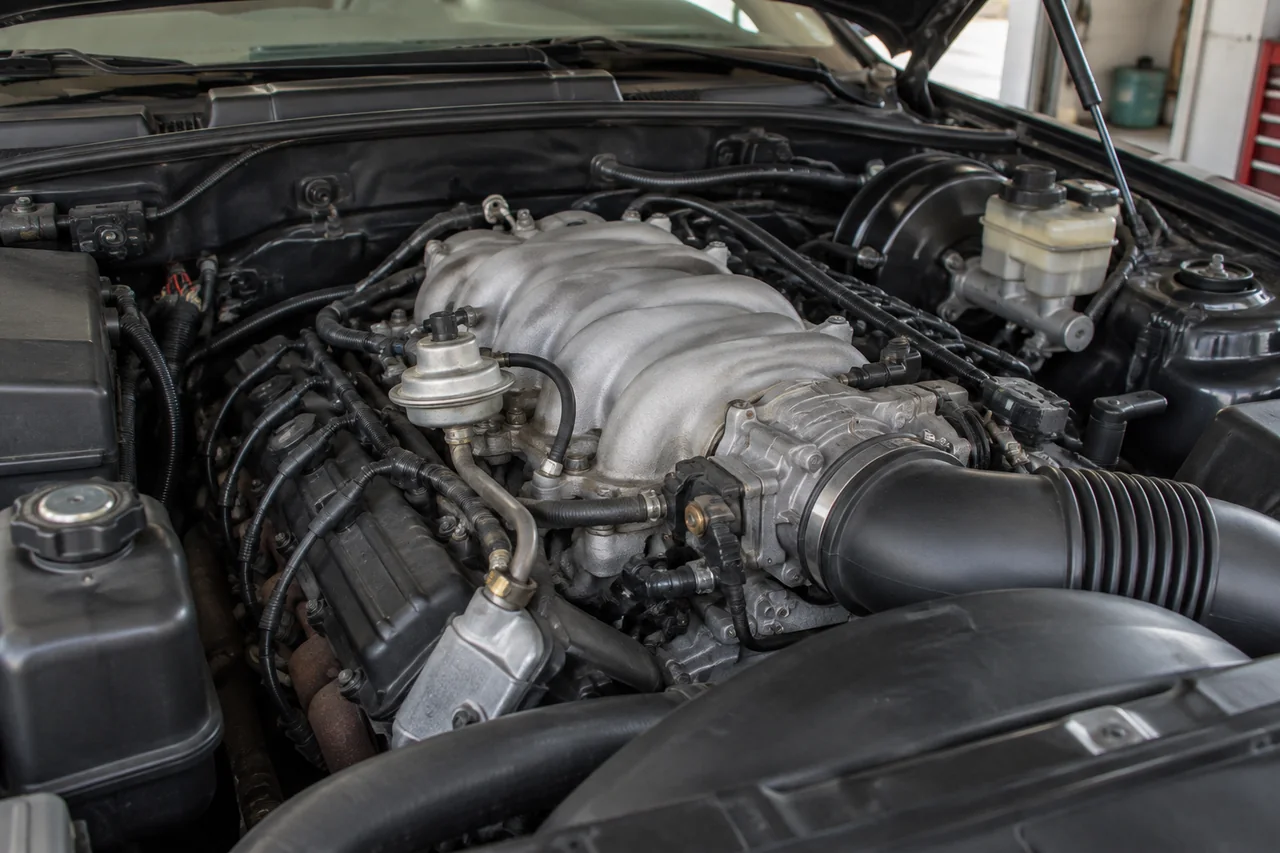
A lit check engine light, rough idle, or engine pinging on a Crown Victoria or Lincoln Town Car often points to the exhaust gas recirculation system. Understanding the EGR valve’s location and symptoms helps owners make informed service decisions. This guide explains how EGR works, where to find it, and how to interpret related trouble codes.
What the EGR Valve Does on a Crown Victoria V8
The EGR valve meters a small amount of exhaust gas back into the intake manifold during certain driving conditions. This dilutes the air-fuel mixture and lowers peak combustion temperatures, which reduces the formation of nitrogen oxides, a major smog contributor. On a 4.6L V8, the valve typically stays closed at idle and opens during light cruise or moderate acceleration when the engine can tolerate the inert gas without misfiring. The exact opening schedule depends on engine load, temperature, and the vehicle’s calibration.
EGR systems are emissions-control devices, not scheduled maintenance items. They have no fixed replacement interval and may last the life of the car, though carbon buildup or component wear can cause faults. Because control strategies differ by model year—some use vacuum-operated valves, others electronic—owners should confirm their specific setup before testing. A faulty EGR valve or related component often triggers drivability issues and an illuminated check engine light, but symptoms alone rarely identify the failed part.
Where to Find the EGR Valve in a Crown Vic Engine Bay
On the Crown Victoria’s 4.6L V8, the EGR valve is usually mounted near the throttle body or intake manifold, often on the passenger side or rear of the engine bay. The exhaust feed tube connects the valve to the exhaust manifold, and a vacuum hose or electrical connector provides control. Exact placement varies by model year and whether the car has a cable-operated or electronic throttle, so owners should confirm with a factory service manual or underhood emissions label before reaching for tools.
With the engine off and fully cooled, you can safely inspect for loose connectors, cracked vacuum hoses, or visible soot around the valve base. However, the exhaust feed tube and nearby components become extremely hot after driving, so never touch or inspect them on a warm engine. A cool-engine visual check may reveal obvious damage, but internal carbon deposits or a stuck pintle require diagnostic testing rather than a glance. Always verify the exact location for your VIN using a parts diagram.
Lincoln Town Car EGR Valve: Checking Your Year and Engine
The Lincoln Town Car shares the Panther platform with the Crown Victoria, but that does not guarantee identical EGR hardware. Model year, engine calibration, and even emission package can change the valve design, sensor type, and location. An engine cover or revised intake manifold may obstruct access or hide the valve from a casual look. Owners should note their VIN, model year, and engine details before searching for parts or service information.
A dealer or reputable parts catalog can confirm fitment using those details. For a safe visual check with everything cold, look for the EGR valve near the throttle body, but be prepared to remove a cosmetic engine cover if equipped—do so only when the engine is cool and you are comfortable with basic fasteners. If the valve is not immediately visible, do not guess: consult the factory service manual or have a technician point it out during a service visit.
Symptoms That Can Point to an EGR Problem
A failing EGR system often causes a rough or unstable idle, especially if the valve sticks open and allows exhaust gas to enter at low engine speeds. Hesitation during acceleration, stalling after a cold start, and pinging or detonation under load can also appear, along with an illuminated check engine light. Some drivers notice a sulfur-like smell or increased fuel consumption, but these are less specific and may accompany other faults.
A valve stuck open typically disrupts idle because the engine cannot handle exhaust dilution with a closed throttle. Restricted flow—often from carbon-clogged passages or a failed feedback sensor—may not affect idle but can cause detonation under load or an emissions test failure. However, vacuum leaks, ignition misfires, a dirty throttle body, or fuel delivery problems can mimic these same symptoms. A professional diagnosis should compare live data and test results before condemning the EGR valve.
Reading EGR Trouble Codes Without Guessing
Before replacing any EGR component, read stored and pending trouble codes with an OBD-II scan tool. Generic codes like P0401 (insufficient EGR flow) or P0402 (excessive flow) describe a detected condition, not a failed part. The same code can have different causes depending on the vehicle: a blocked passage, a faulty DPFE sensor, a torn vacuum hose, or a stuck valve. Manufacturer-specific codes for Ford and Lincoln may provide more detail but still require interpretation.
Freeze frame data shows the engine conditions when the fault was recorded—speed, load, temperature, and fuel trims—which helps recreate the problem. Live data from a scan tool can display the EGR valve’s commanded position, actual flow feedback, and sensor voltages. A technician can compare these values to service information and pinpoint whether the valve is mechanically stuck, electrically unresponsive, or receiving incorrect commands. Codes alone are the starting point, not the diagnosis.
Related EGR Parts: Sensors, Vacuum Control and Passages
Depending on the model year, the EGR system may include a DPFE sensor, an EGR vacuum regulator solenoid, hoses, and the exhaust feed tube. A cracked sensor hose or corroded connector can set an EGR code even when the valve itself is fine. Blocked passages from baked-on carbon can mimic a faulty valve by restricting flow. Before buying parts, confirm which components your car uses—some years have an integrated electronic valve with no external vacuum regulator.
Carbon buildup inside the EGR passages and valve pintle can restrict movement or flow and is a common cause of insufficient-flow codes. A visual inspection may show soot around the valve, but internal blockage requires flow testing or disassembly. A technician can check vacuum operation, sensor readings, and electrical circuits to isolate the fault. Replacing the valve without addressing a clogged passage or a faulty sensor will not clear the code and wastes money.
Cleaning, Replacement or Professional Testing: Making the Call
A technician may test the EGR system by applying vacuum to the valve, watching sensor feedback, checking electrical circuits, and measuring passage flow. Professional testing is wise when a code returns after basic repairs, the vehicle fails an emissions test, or symptoms persist without a clear cause. Without proper diagnosis, owners risk replacing expensive parts that are not defective. Request a written estimate first, as parts and labor vary by region and condition.
Never disconnect, block, or remove EGR components to solve a drivability problem. Doing so violates emissions regulations and can cause engine pinging, surging, or transmission shifting issues. After any repair, clear the codes and perform a road test under the conditions that set the fault—often light highway cruise for EGR operation. If the code does not return and driveability is restored, the repair likely addressed the root cause. If it comes back, continue diagnosis rather than throwing more parts at it.