Crown Victoria Adjustable Control Arms: Fitment and Selection
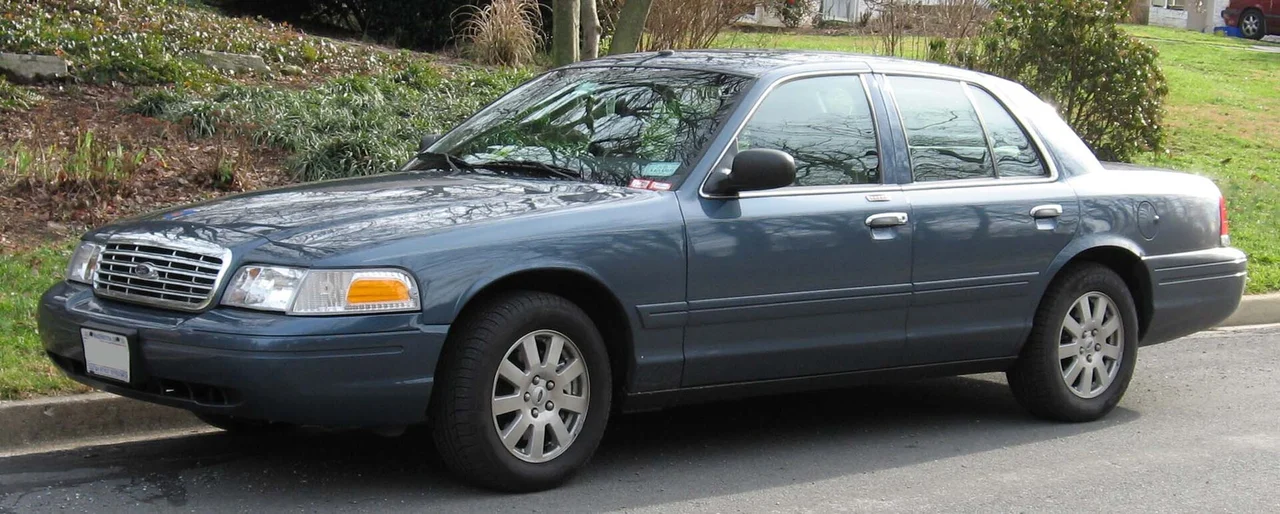
Adjustable control arms let a Crown Victoria owner correct suspension geometry that fixed-length factory arms cannot, most often after a ride height change or when tired rear arms need replacing anyway. Picking the right set depends less on brand labels than on which arms you actually need, how the car is driven and whether the parts match your model year. This guide covers fitment and selection only, not a full suspension rebuild.
Define the job the product must do
Start by naming the problem. The Crown Vic uses a solid rear axle located by lower and upper control arms, and an independent front suspension with upper and lower arms on each side. Adjustable rear arms are usually bought to restore pinion angle after lowering or raising the car, to square the axle in the chassis, or to replace worn factory bushings with something firmer. Adjustable front upper arms, where offered for your year, are aimed at camber and caster correction that the stock adjustment range cannot reach.
Then be honest about use and constraints. A daily driver or former police car that only needs fresh rear arms gains little from aggressive parts and may lose ride comfort. A lowered street car, a car that sees drag strip launches or one used for track days has different priorities. Your budget should include an alignment, possible bushing work and the tools and safe vehicle support needed to do the job, not just the arms themselves.
Check compatibility
Model year matters more than anything else. Ford significantly revised the Panther platform frame and front suspension for 2003, so arms, especially front components, are generally not interchangeable between earlier and later cars. Confirm the exact year range in the listing, and check whether it calls out the Police Interceptor, Grand Marquis, Town Car or Marauder separately rather than assuming shared platform means shared parts.
Next, compare the interfaces. The bushing sleeve width, bolt diameter and bracket spacing at both mounting points must match your chassis and axle, and the kit should state whether factory bolts are reused or new hardware is supplied. Check the adjustment range against your actual ride height: an arm that only adjusts a short distance from stock length may not reach the setting a significantly lowered car needs. Some kits for this platform also involve the bushing at the axle end of the upper arms, so read carefully what is included and what must be serviced separately.
Finally, inspect your car before ordering. Rusted or cracked frame brackets, elongated bolt holes or damaged axle mounts will not be fixed by new arms and must be repaired first. On older fleet cars, seized bolts are common, so plan for possible replacement hardware.
Features that affect the choice
Bushing type drives most of the real-world difference. Rubber bushings are quiet and compliant but allow more deflection, and they are normally tightened with the suspension at ride height so they are not twisted when the car settles. Polyurethane is firmer and sharpens response, but it transmits more noise and vibration and can squeak without the correct grease. Spherical joints or rod ends give the most precise axle location with the most harshness and wear that must be monitored, which suits dedicated performance use better than a daily driver.
Adjustment design matters too. Arms with left- and right-hand threads can often be adjusted on the car, while single-ended designs may need removal for every change. Look for solid jam nuts and enough thread engagement at the length you plan to run. For construction, tubular or boxed steel can both work; useful evidence includes stated material, wall thickness, hardware grade, adjustment range and clear instructions. Labels such as heavy duty, race proven or bulletproof are marketing claims, not specifications, and should carry no weight unless backed by those details.
Limitations and ownership costs
Installation changes geometry, so plan for it. Any front arm change requires a professional wheel alignment afterward, and rear arms affect pinion angle and axle position, so measure the original length or angle before removal and set both sides deliberately rather than by guesswork. Support the car on its frame with rated stands and control the axle with a jack, because removing locating arms lets the axle move. Many owners change rear arms one at a time for this reason. Use the fastener specification from model-specific factory service information; do not guess torque values, and recheck after the first drive.
Ongoing costs depend on the bushing choice. Polyurethane may need periodic regreasing to stay quiet, spherical joints need regular checks for joint play, and jam nuts should be inspected during routine service. Adjustable arms also cannot cure every handling complaint: worn ball joints, tired shocks, sagging springs, loose steering parts or bent brackets will still cause problems, so diagnose those before blaming the arms.
Build a practical shortlist
Narrow the options with a short comparison rather than a ranking. For each candidate, confirm the stated year range covers your car and its trim, that the listing names exactly which arms are included, and that the adjustment range covers your current or planned ride height. Match the bushing type to how the car is driven, accepting extra noise only if the use justifies it.
Then compare the practical details: whether hardware is included, whether bushings or joints can be replaced individually later, how clear the instructions are and what the warranty actually covers. Add the cost of an alignment, any bushing service at the axle and replacement bolts to the purchase price. The set that fits your year, reaches your target geometry and suits your tolerance for maintenance and noise is the right choice, regardless of how it is marketed.