CRC GDI Intake Valve Cleaner: Choosing and Using the Product
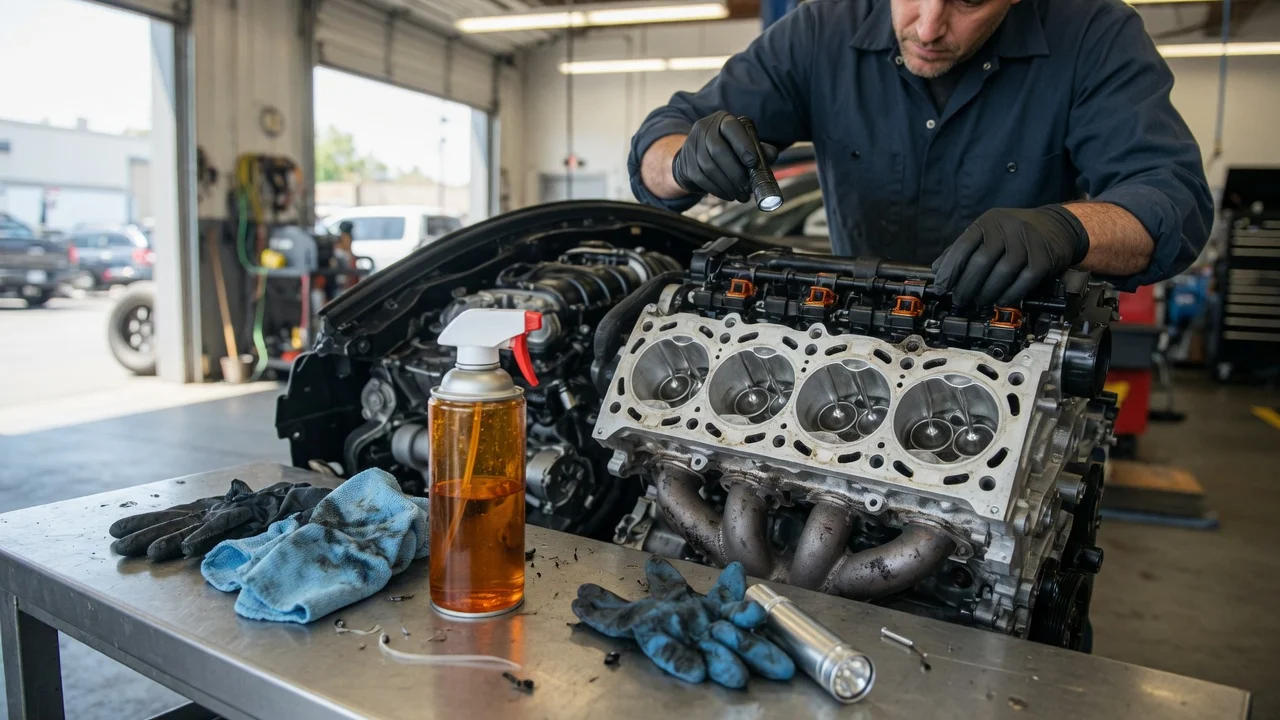
What CRC GDI intake valve cleaner is
CRC GDI intake valve cleaner is a spray cleaner intended for gasoline direct injection engines. Its purpose is to reduce deposits that form on intake valves and related intake surfaces in GDI engines. The product is used as a service treatment rather than a fuel additive, and it is generally applied through the intake system while the engine is running.
The term GDI stands for gasoline direct injection. In these engines, fuel is injected directly into the combustion chamber rather than onto the back of the intake valve. The product name IVD refers to intake valve deposits.
Why GDI engines form intake valve deposits
Direct injection engines can accumulate deposits on intake valves over time because fuel is not washing the intake valve and port in the same way it does in a port fuel injection engine. Crankcase vapors and combustion byproducts can also contribute to buildup. This is a widely recognized maintenance concern for GDI engines.
Deposits on intake valves may affect airflow into the cylinder. Spray cleaner products address the deposits after they have formed, which is different from preventing deposits through maintenance practices or fuel system additives.
How CRC GDI intake valve cleaner is used
The cleaner is commonly applied with the engine at operating temperature. The user introduces the product into the intake stream in controlled bursts while the engine is running, then follows with an idle period or a drive cycle. The exact procedure can vary by engine, vehicle, and product packaging instructions.
Because the cleaner is introduced through the intake path, it can reach areas that a fuel tank additive may not contact directly in a GDI engine. This is the main reason it is positioned as a GDI-specific treatment.
What the product can reasonably address
CRC GDI intake valve cleaner is designed to soften and remove light to moderate intake valve deposits. It is marketed as a maintenance and service product. The user should not assume that a single application can reverse the effects of severe or long-term carbon accumulation.
Useful outcomes for the owner are limited to deposit reduction and supporting cleaner intake surfaces. The product is not a repair for worn components, failed sensors, or other mechanical problems.
Important limits and cautions
Follow the vehicle manufacturer's service position and the product label for the applicable engine. Do not introduce liquid into the intake faster than the engine can safely ingest it. Use the product only in the intended intake path and avoid unintended contact with sensors or electronics. Severe deposits may require professional service such as media blasting or manual cleaning. Do not use the cleaner as a substitute for normal oil changes, air filter service, or diagnosis of driveability faults.
Application instructions and compatibility can differ by vehicle. Owners should check the product's current label and any guidance from the vehicle manufacturer before treating a specific car.
Choosing the product for your priorities
The product is most appropriate for a driver who wants a periodic intake cleaning treatment between more involved services. It may be a useful preventive step on GDI vehicles that are driven in conditions associated with deposit formation, such as repeated short trips or extended idling.
If the goal is routine fuel system maintenance, a fuel additive may be more convenient but will not necessarily clean the intake valves in a GDI engine. If the vehicle already shows roughness, misfires, or power loss that is traced to heavy deposits, a professional intake cleaning may be the more reliable choice.
The sections above refer to the product type and its general use category. Specific dosage, application method, and supported engine coverage are found on the product packaging and manufacturer guidance, which should be checked against the vehicle in question.