Comfortable Car Suspension for Rough Roads: What to Look For
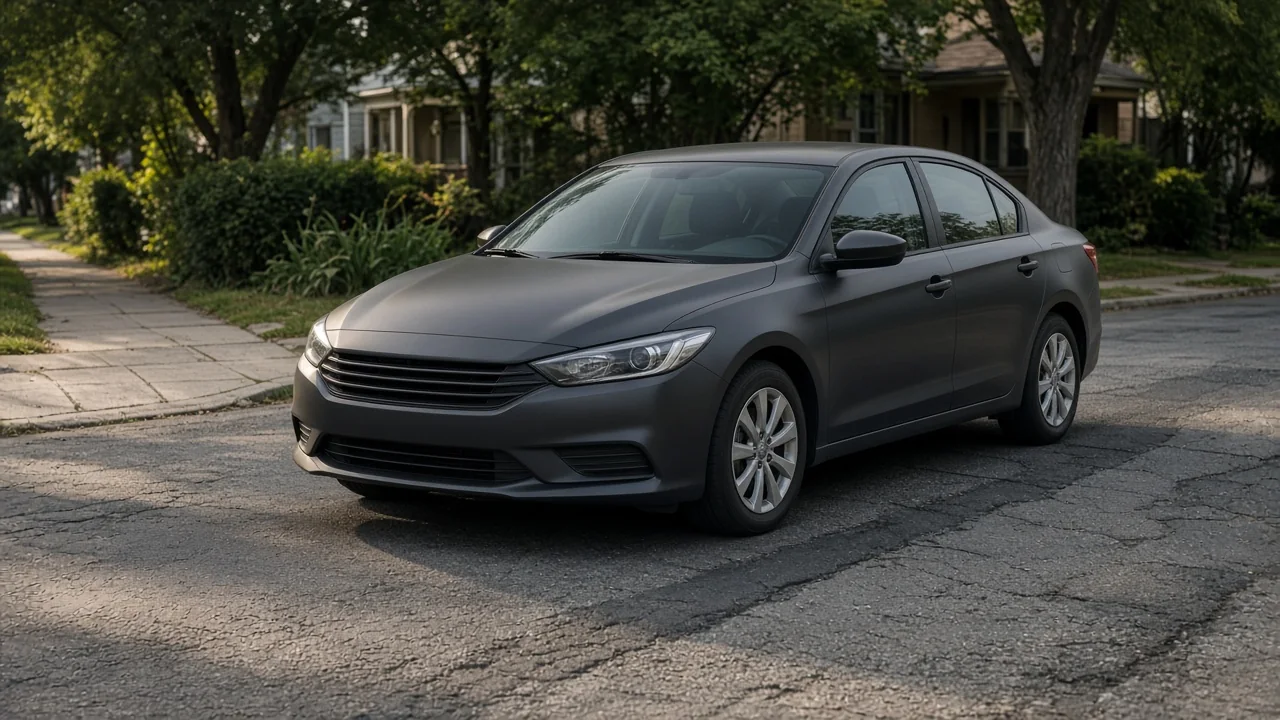
Searching for a car with the best suspension often starts with a desire for a smooth ride on imperfect pavement. Ride comfort depends on suspension compliance, damping, available travel, and how the whole vehicle isolates the cabin from the road. This overview explains the traits that matter on bumpy roads and how to evaluate them, rather than naming a single winner.
Comfort-Oriented Cars to Explore
When people ask which car has the best suspension, or which car has the best suspension system, they often hear names associated with a quiet, isolated ride. The Lexus ES and Mercedes-Benz S-Class are useful illustrations of comfort-oriented lines, not a ranking and not a declaration that either is the most comfortable suspension car for every driver. Both families have been developed with an emphasis on road isolation, yet each generation, market, and equipment package can feel different on the same stretch of pavement.
Any useful conversation about a comfortable suspension car has to name the model year, trim, wheel package, and suspension equipment. Adaptive dampers, air springs, and conventional steel coils can appear across trims of the same nameplate, and a larger wheel size with a shorter tire sidewall can change how impacts reach the cabin. Treat these examples as starting points for a test drive. Suitability still depends on your roads and on personal sensitivity to sharp impacts versus slower body motion.
What a Comfortable Ride Actually Feels Like
A compliant suspension lets a wheel move over a bump so the cabin does not take the full hit. After the impact, damping should let the body settle without prolonged bouncing. That combination describes the most comfortable car suspension more accurately than a merely soft first motion. Sharp jolts feel like a sudden vertical punch. Small repeated vibrations, sometimes called secondary ride, can tire occupants even when large bumps seem acceptable. Pitching is a nose-up or nose-down rocking, while swaying is a slower side-to-side roll.
Questions about the best car suspension in the world assume a single global winner. Comfort instead depends on road surfaces, vehicle configuration, where a passenger sits, and personal tolerance for motion. A car praised on smooth highways may feel harsh on patched city streets, so the world's best car suspension on one route can disappoint on another. A soft initial response alone does not establish good ride comfort if the body keeps oscillating, if small chatter remains, or if body control is so loose that occupants feel unmoored.
How Springs, Dampers, and Suspension Travel Shape Comfort
Springs support the vehicle's weight and allow the wheels to move as the surface changes. Spring rates influence how much force it takes to compress those springs, which affects both the initial absorption of a bump and how much the body leans or dives. Dampers, often called shock absorbers, control the speed of that motion so the car does not keep bouncing after the spring has done its work. Together they determine whether a hit is absorbed and then calmed, which is the core of the best car suspension for a smooth ride.
Available suspension travel helps the wheels follow uneven surfaces instead of lifting the cabin with every crest. Large potholes and steep driveway lips can still use up that travel and produce a sudden stop. Air springs can vary support with load and sometimes with selected ride height, and adaptive dampers can change damping with speed or surface. Their presence does not guarantee a particular ride quality. The most comfortable car suspension is a coordinated tuning of springs, dampers, geometry, and mass, not a single technology label.
Why Wheels, Tires, and Vehicle Condition Matter
Tires are the first cushion between pavement and the suspension. Construction, tire sidewall height, wheel size, and inflation pressure all influence how much of an impact is absorbed before the springs and dampers work. A larger wheel with a shorter sidewall typically leaves less rubber to flex, so small sharp edges can feel more distinct. Use the cold pressures on the vehicle placard or in the owner's manual. Do not lower pressure in search of extra comfort, because underinflation changes handling, heat, and wear in ways the driver may not notice until later.
Passenger and cargo loads change how springs sit in their travel and how damping feels, even when everything stays within the vehicle's stated limits. A lightly loaded car may feel busier over small ripples, while a heavier load can use more of the available travel and make large bumps feel closer to the end of the stroke. Persistent bouncing, new clunks, pulling, or uneven tire wear are reasons for professional inspection. Those symptoms point to wear, damage, or alignment issues rather than proof that the design itself cannot deliver ride comfort.
What to Observe on Bumpy Streets and Rough Pavement
Bumpy roads are not one sensation, and patched asphalt often produces a series of small, sharp edges while expansion joints can feel like rhythmic thumps at highway speed. Shallow undulations move the whole body in a slower heave, and uneven driveway entrances combine a sudden lip with a change in slope. The best car suspension for bumpy roads is the one that handles the mix the driver actually meets. A comfortable suspension car may swallow a long swell yet still transmit chatter from broken patches, because those disturbances ask different things of travel, damping, and tire compliance.
That is why a car can feel isolated on one surface and unsettled on another, even in a car with the best suspension system on paper. Keep the evaluation on ordinary road use. Ride comfort does not establish off-road capability or sufficient ground clearance for ruts, snowbanks, or unpaved tracks. Slow appropriately for the surface and steer around potholes when it is safe to do so. Do not drive into hazards on purpose to test the suspension. A controlled, legal pace on familiar streets tells more about everyday isolation than a single dramatic impact.
A Practical Test Drive for Ride Comfort
The most reliable way to judge a car with the best suspension for your needs is to drive the exact configuration under consideration: the same model year, trim, wheel package, and suspension equipment, on a familiar route, at legal and appropriate speeds. Notice the first impact, then how quickly body motion settles, and whether repeated small bumps become tiring over several minutes. That secondary-ride chatter often separates a genuinely comfortable suspension car from one that only feels plush over large, infrequent undulations.
When rear-seat comfort matters, take a properly belted passenger in back and ask what they feel over the same surfaces, because motion and isolation can differ by seating position. Separate seat cushion support and cabin noise from the suspension itself; a quiet cabin can hide a busy ride, and a supportive seat can make moderate motion easier to tolerate. After the drive, note which disturbances felt comfortable and which were objectionable. Those notes answer which car has the best suspension for your roads more honestly than a ranking of the best suspension car in the world.