Classic Car Differential Repairs
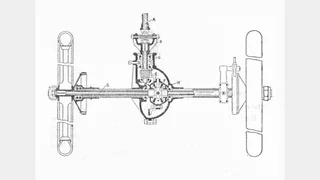
A worn or noisy final drive can quickly turn an enjoyable drive into an expensive question about classic car differential repairs. On vintage vehicles, the differential is often overlooked until a hum, whine, or leak appears during a routine inspection. Because these assemblies contain closely matched gears, bearings, and seals, diagnosing the exact source of trouble matters more than simply replacing parts. Transmission type, service history, and how the car behaves under load all shape the repair decision. This guide explains what to evaluate before committing to a rebuild or replacement, so you can approach the work with realistic expectations and avoid unnecessary costs.
The direct answer
For most owners facing classic car differential repairs, the realistic starting point is a professional teardown and inspection rather than an immediate guess about the failure. A differential that whines only on acceleration may suggest worn pinion bearings or an incorrect gear contact pattern, while a constant rumble often points to carrier bearings or damaged ring-and-pinion faces. The repair may involve resealing the housing, replacing bearings, or resetting backlash and preload. The best next step is to document the noise, check the lubricant level and color, and have a specialist inspect the unit before ordering parts.
The decision between rebuilding the existing case and replacing the entire assembly depends on parts availability, the cost of skilled labor, and the condition of the housing itself. On many older domestic and import models, a rebuild using new bearings and seals can restore quiet operation, provided the gears have not been deeply scored or pitted. If the ring-and-pinion shows spalling or the carrier is cracked, sourcing a used or remanufactured unit may be more practical. Fitment must be confirmed against the specific axle, because even visually similar center sections can differ in spline count, flange pattern, and ratio.