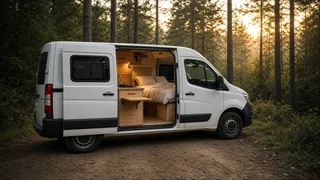
Citroen H Van camper conversion
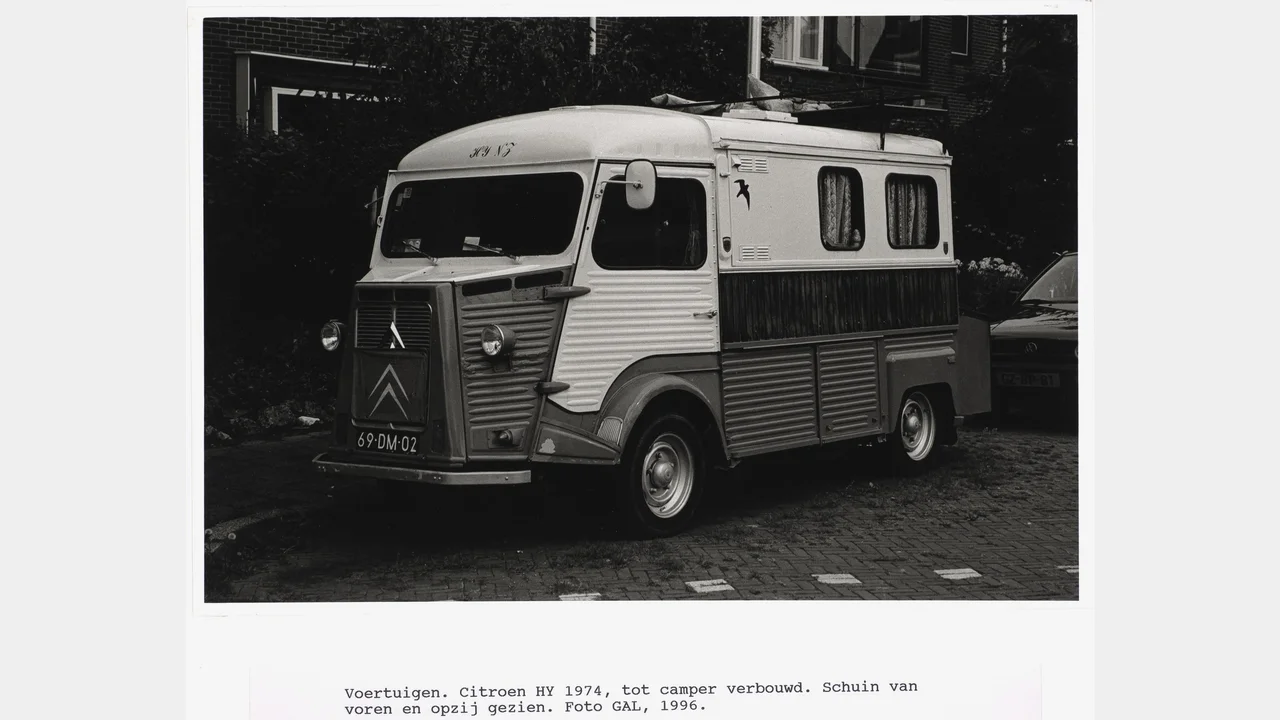
The Citroen H Van holds a special place in van life culture, and a camper conversion transforms its corrugated metal body into a compact mobile living space. Unlike a modern blank-canvas panel van, this postwar design shapes every conversion decision. Its distinctive body style, narrow cabin, front-wheel-drive powertrain configuration, and limited payload influence layout more than trim level or market specification ever could. For American enthusiasts researching this classic, understanding those mechanical and spatial realities matters before imagining cabinetry, sleeping platforms, or electrical systems. The result is never a generic build; it is a conversation with a very specific model generation and its charming, sometimes stubborn, engineering character.
Essential answer
A Citroen H Van camper conversion is the process of adapting the classic corrugated steel utility van for temporary living, cooking, and sleeping. The essential answer is that it is a specialized classic vehicle project, not a straightforward recreation of a modern Sprinter-style build. The van’s front-engine layout, floor height, and thin roof structure impose unique constraints on interior height, insulation, and weight distribution. Builders typically preserve the iconic exterior while fitting compact furniture and low-profile utilities inside. Because the H Van was produced across many years and model generations, condition and underlying structure materially change how much of the conversion can be cosmetic versus structural.
A realistic camper conversion must address the van’s lack of modern crash structures, limited ventilation, and modest power. The body style invites a rustic, slow-travel approach rather than highway-speed touring. Any layout must respect the load floor and wheel arch intrusions while keeping total weight within the original chassis capability. Since exact specifications vary by year, a builder should confirm the specific model year and market specification before committing to a floor plan or drivetrain upgrades. The conversion works best when the owner accepts the H Van as a vintage platform with a distinctive character, not a blank slate with unlimited payload or headroom.