Citroen engine oil pressure fault
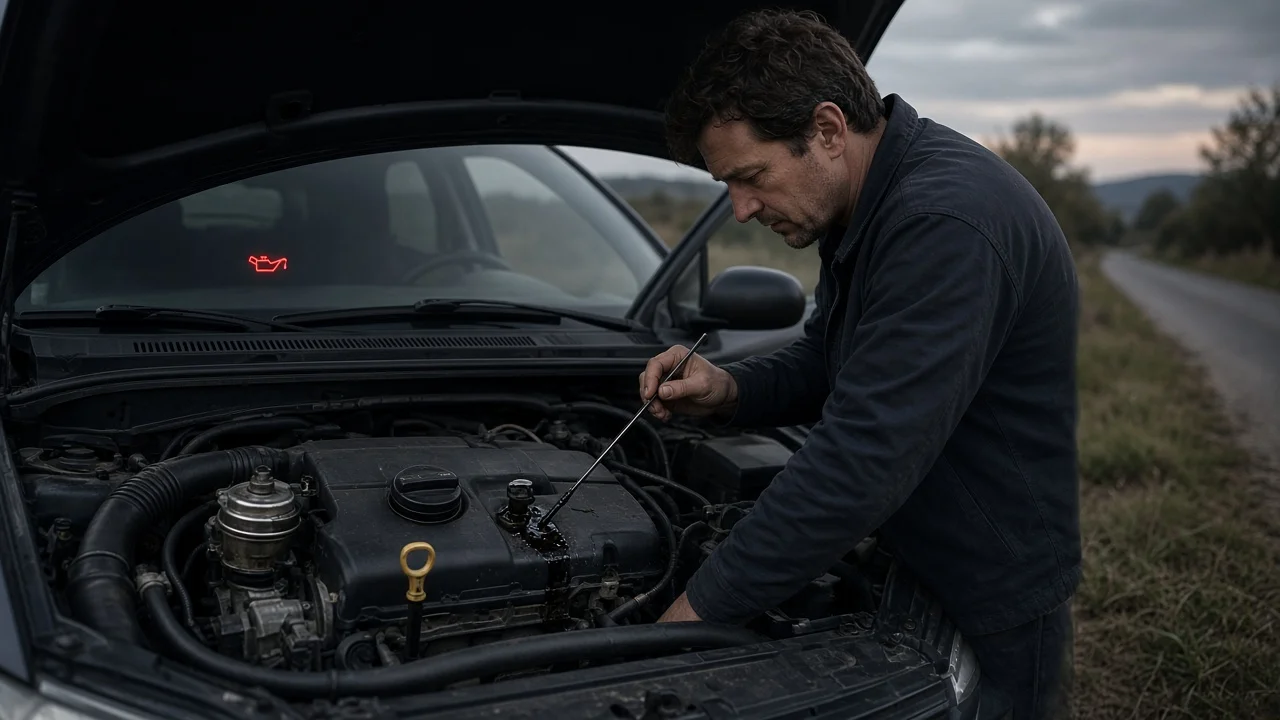
A Citroen engine oil pressure fault warning means the vehicle's monitoring system has detected a condition that falls outside the expected oil pressure range. The alert does not automatically identify a failed part; it is a request to inspect the lubrication circuit before further driving. On many vehicles, the warning may appear at idle, during cold starts, or after an oil change, which can point toward different underlying causes. Understanding the oil level, the type of warning, and the conditions when it appears helps separate a simple maintenance issue from a developing bearing or pump problem.
Direct answer
A Citroen engine oil pressure fault should first be treated as a low oil level or oil supply problem until simple checks show otherwise. The most immediate step is to park on level ground, switch off the engine, and inspect the dipstick after a short settling period. Oil below the minimum mark can uncover the pickup during cornering or acceleration, causing a momentary pressure drop that activates the warning. Topping up with a lubricant that meets the manufacturer approval and stated specification may resolve this situation quickly.
After confirming the level, consider the conditions that trigger the message. A warning only at hot idle after a long drive often suggests oil thinning, a partly blocked pickup screen, or wear in the pump or main bearings that reduces pressure when engine speed is lowest. A warning at cold start may point to an incorrect viscosity for the climate, a restricted filter, or a faulty oil pressure sensor. The same message can therefore mean very different things, and the driving situation is part of the diagnosis.
Interpreting symptoms and test results
A stored oil pressure fault code needs to be read as a system observation, not as proof that a sensor, pump, or solenoid has failed. The code often records that a pressure reading crossed a threshold under particular engine load or temperature conditions. A scan tool may also show freeze-frame data, which describes the engine speed and coolant temperature at the moment the code set. Matching that operating state to the complaint helps decide whether the issue is mechanical, electrical, or related to the lubricant service interval.
A mechanical pressure gauge is the most useful follow-up because it separates the actual lubrication circuit from the electronic measurement. If the gauge shows stable pressure within the expected range while the dashboard warning remains, the sensor or its wiring may be faulty. If the gauge confirms low pressure only when the oil is hot, the cause may be excessive bearing clearance or a worn pump. A filter cut open for inspection can also reveal metal particles or sludge, but replacement should happen only after the low-pressure cause is understood.