Chrysler 300 Sway Bar Bushings: Fitment Guide
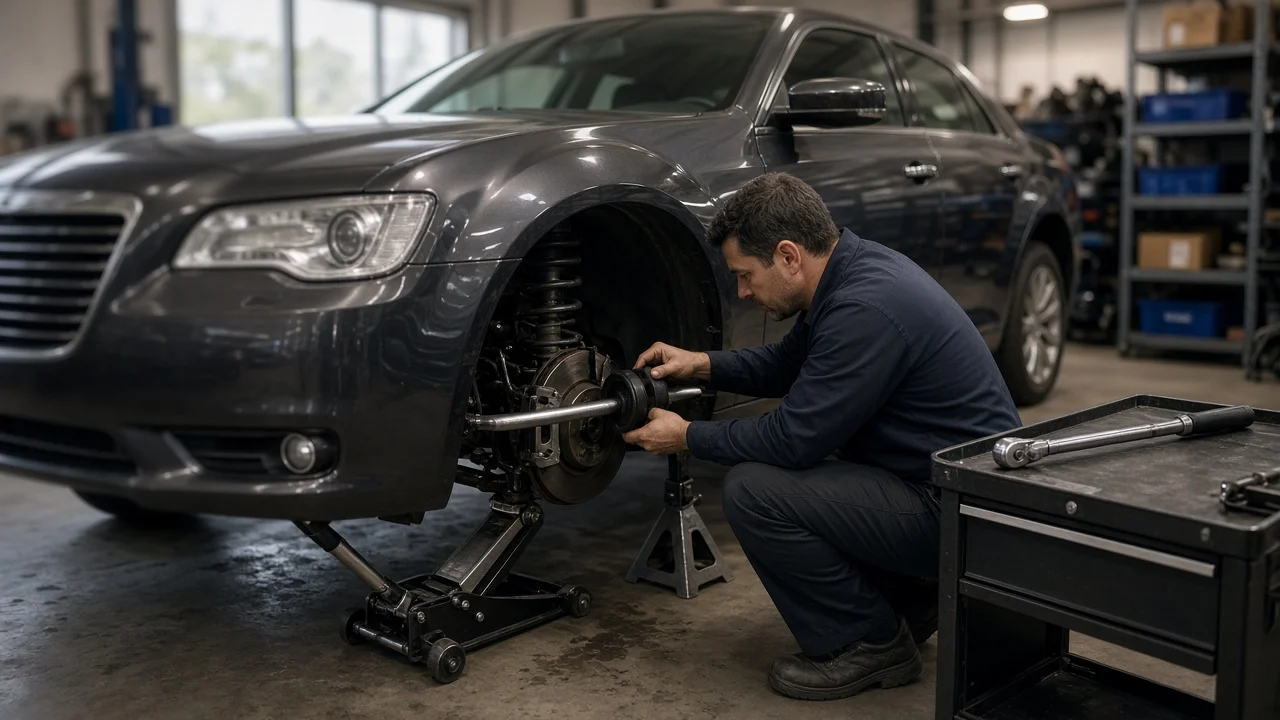
Sway bar bushings on a Chrysler 300 are inexpensive parts, but ordering the wrong size is one of the most common reasons a replacement job stalls halfway. The correct fit depends on more than the model name. Generation, drivetrain, suspension package and the actual diameter of each stabilizer bar all matter. This guide explains how to narrow down the right front and rear bushings, how to confirm that a worn bushing is really causing a noise, and when to get vehicle-specific confirmation.
The short answer on fitment
No single bushing fits every Chrysler 300. The car has a front and a rear stabilizer bar. Each bar is held to the body or subframe by two bushings, and each bushing sits inside a clamp bracket. The inner bore of the bushing must match the bar diameter at the mounting point, and the outer shape must match the bracket. Chrysler used different bar sizes across generations, trim levels and drivetrains, so the reliable approach is to match the part to your exact vehicle configuration: model year, trim, rear-wheel or all-wheel drive, and suspension package. The VIN is the most precise reference because it identifies the original build. A trim badge or a seller's description can be wrong or may have been changed.
Treat the front and rear bushings as separate parts, and do not assume one listing covers both ends of the car. Replace both bushings on the same bar together. If you fit one new bushing next to a worn one, the bar is unevenly supported and the noise often returns quickly.
How sway bar bushings work
The sway bar, also called a stabilizer or anti-roll bar, connects the left and right sides of the suspension. When the car leans in a corner, one wheel compresses and the other extends, which twists the bar. That resistance to twisting reduces body roll. The bushings let the bar rotate in its brackets while holding it firmly in position, and they isolate the cabin from vibration and noise. Factory bushings are rubber. Aftermarket kits are often polyurethane, which is firmer.
With time, rubber hardens, cracks and takes a set. Once it no longer grips the bar tightly, the bar can shift inside the bracket. Typical results are a clunk over bumps or driveway entrances, a squeak or creak at low speed, and slightly vaguer response when changing direction. Worn bushings mainly affect noise and body control. A cracked or loose bracket that lets the bar move freely is more serious and should be repaired promptly.
What changes the correct part
Generation is the first dividing line. The first-generation Chrysler 300 covers the 2005 to 2010 model years. The redesigned second generation ran from 2011 until production ended after the 2023 model year. Parts catalogs split listings between these generations, and the bushings are not automatically interchangeable. Within a generation, performance-oriented versions such as the SRT8 may use different bar diameters than standard touring models. All-wheel-drive cars use a different front suspension and driveline layout than rear-wheel-drive cars, which can change the front bar and its bushings. Verify AWD fitment separately rather than assuming the RWD part applies.
Service history can override the catalog. If a previous owner installed a thicker aftermarket sway bar or a polyurethane bushing kit, the original factory listing may no longer match what is on the car. Used and imported vehicles sometimes have parts swapped from other trims as well. In these cases, measure what is installed instead of trusting the original build data alone.
The choice of material also affects the result. OE-style rubber bushings are quieter and closer to the factory ride. Polyurethane gives firmer bar location and sharper response, but it can transmit more vibration and may squeak if not lubricated with the grease supplied in the kit. Operating conditions matter for longevity. Road salt, cold climates, oil or fluid leaks onto the bushings, and frequent rough roads all wear rubber faster.
Inspecting and measuring before you order
Start with an inspection. With the car safely supported on stands, look at each bushing for cracks, tearing, a visible gap between bar and bushing, oil contamination, or shiny wear marks showing the bar has been sliding. Use a pry bar to gently lever the bar and watch for movement inside the bracket. Check the sway bar end links at the same time. Worn end links produce a very similar clunk and are frequently mistaken for bushing failure. A knock can also come from control arm bushings, ball joints or strut mounts, so confirm the source before buying parts.
To confirm size, measure the bar diameter with calipers on a clean section next to the bushing, not over the bushing itself. Compare that measurement with the bore size stated in the part listing, and note the bracket shape. Photographing the old bushings and brackets before removal makes comparison easier. If the listed diameter does not match your measurement, rely on the measurement and confirm with the seller or a dealer parts counter before ordering.
During installation, clean rust and debris from the bracket and bar contact surfaces. Lubricate polyurethane bushings only with the grease supplied for them, and do not add petroleum-based products to rubber. Tighten bracket fasteners to the torque values in the service information for your car rather than guessing. Recheck for noise and fastener tightness after a short drive. Replacing bushings alone does not normally require a wheel alignment. If other suspension parts are replaced at the same time, an alignment check may be needed.
Limitations and when to get help
This guide cannot confirm a specific part number or bar diameter for your car, because those depend on the exact build and any later modifications. Use a VIN-based lookup through a dealer parts department or a parts catalog that checks against manufacturer specifications. There is no universal replacement interval for sway bar bushings. Inspect them during routine maintenance or whenever new suspension noises appear, and replace them based on condition.
Get professional help if the noise continues after new bushings are installed, if bracket bolts are seized or the surrounding hardware is badly corroded, or if a bracket or its mounting point is damaged. A technician can also separate bushing noise from other front or rear suspension faults. That avoids replacing parts that were never the problem.