Choosing Windshield Washer Fluid: All-Season, Winter De-Icer and Freeze Protection
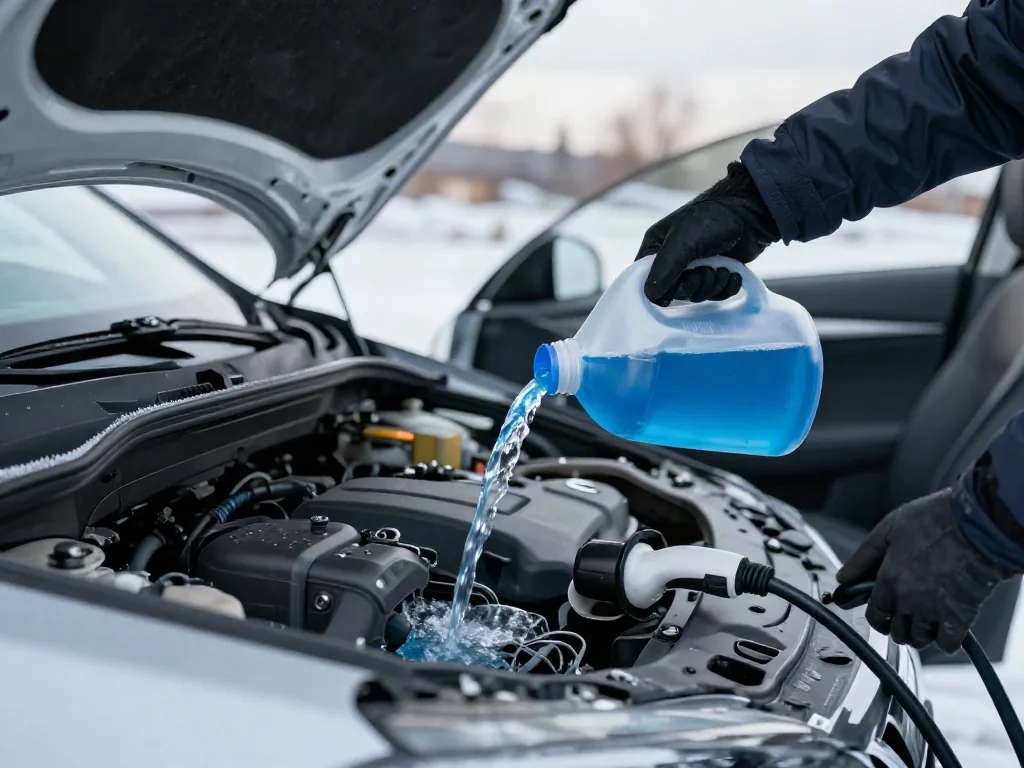
Washer fluid seems like the simplest thing under the hood, but the wrong jug can leave you with a frozen sprayer or a smeared windshield at the worst moment. Choosing well comes down to knowing what the fluid is made of, what the label temperature really means, and why engine coolant never belongs in the washer system.
What Windshield Washer Fluid Is and Why the Color Varies
Most washer fluid is mainly water blended with a mild cleaning agent and a freeze-point depressant, usually methanol or another alcohol. The detergent loosens road film, bug residue, and grime so the wipers can clear it. The alcohol keeps the mixture liquid in cold air. The ratio of water to alcohol sets how low the temperature can go before the fluid turns to slush. More alcohol generally means a lower freeze point, which is why winter formulas and warm-weather blends can look alike but behave very differently.
Blue is a common dye choice for standard and all-season fluids, but it is not a rating. Some winter products are also blue, and others come in different colors, so go by the temperature printed on the label, not the color. Treat the fluid as a toxic chemical. Keep it off your skin and away from children and pets, store it upright with the cap sealed, and never pour it into a drink bottle or kitchen container. The reservoir cap usually has a windshield-and-spray symbol, but confirm the correct filler on your own vehicle before adding anything.
All-Season Washer Fluid: What the Label Actually Promises
All-season fluid is the middle of the lineup. It has enough alcohol to handle moderate cold and still cleans well in summer, so it works year-round where winters are mild and hard freezes are rare. The number that matters is the freeze protection temperature printed on the jug, not the name on the front. Two products both sold as all-season can have different ratings. Compare that figure against the coldest nights you actually get rather than trusting a name that sounds reassuring.
A moderate rating has practical limits. The fluid in the thin lines and nozzles at the front of the car catches wind chill while you drive and can freeze before the reservoir does. Drivers in northern or mountain regions shouldn't count on all-season fluid through deep winter. For cleaning, these blends balance detergent and alcohol well enough for everyday road film and light bug splatter. Dedicated summer formulas usually go after heavy insect residue harder than a cold-focused winter fluid does.
Winter and De-Icer Fluids for Cold Weather Driving
Winter fluid uses more alcohol to push the freeze point well below zero, and reputable jugs print a clear sub-zero rating on the label. A de-icer version also helps loosen light frost and thin ice when you spray it and run the wipers. That makes mornings with a thin frosty film quicker to deal with. It does not replace a scraper, the defroster, or a brush when the glass is covered in heavy ice or packed snow.
Know the limits. De-icer fluid works slowly on thick ice, and on a very cold windshield the spray can refreeze into a new film before the wipers clear it, briefly making visibility worse. Switch to winter fluid before the first hard freeze, because the fluid already in the reservoir, pump, and lines also has to be cold-rated. Pouring winter fluid on top of a mostly full reservoir of summer fluid gives you a weaker mix than the label promises. In warm months, the stronger alcohol blend can leave a faint haze, which is one reason many drivers switch back to all-season in spring.
Can Washer Fluid Freeze, and What Happens When It Does
Yes, washer fluid freezes once the air gets colder than the rating on the jug, and diluted or summer fluid freezes much sooner than a proper winter blend. A reservoir stretched with water, or one still holding warm-weather fluid, can turn to slush on the first cold night. The signs are usually easy to spot: the pump hums or runs but nothing sprays, only one nozzle works, or you get a weak dribble instead of a steady stream. A clogged nozzle can cause the same symptoms, so ice is a likely cause, not a certain one.
Ice expands as it forms. That can crack a reservoir, split a hose, or damage the pump, and pressing the washer switch over and over against frozen lines strains a pump with nothing to move. Be patient: park somewhere warmer, such as a heated garage, and let the system thaw on its own. Don't heat the components or pour hot water on them or on the glass. Once fluid flows again, look under the reservoir area for drips or puddles. If the sprayer still doesn't work after a full thaw, have a technician check the pump, nozzles, and wiring.
Why Engine Antifreeze Must Never Go in the Washer Reservoir
Engine coolant, whether ethylene or propylene glycol antifreeze, is not washer fluid and should never go into the washer system in any amount. Washer fluid gets its freeze protection from the alcohol in its formula, not from anything taken from the cooling system. The two products do different jobs and go in separate reservoirs, often close together under the hood, which is why people mix them up. Checking the cap symbol and the owner's manual before you pour prevents a costly, messy mistake.
Glycol coolant on a windshield leaves a slick, oily smear that the wipers spread around instead of removing, which hurts visibility, especially at night and in oncoming headlights. Over time it can also damage paint, degrade rubber wiper blades, and attack washer system plastics and seals. If coolant went into the washer reservoir by mistake, don't use the sprayer at all. Coolant is toxic and clings to the reservoir and lines, so have a shop drain and flush the system and dispose of the mixture properly.
Picking the Best Washer Fluid for Your Climate and Driving
The best washer fluid is the one that fits your conditions; no single product is best everywhere. Match the freeze rating to the coldest overnight temperatures your area realistically sees, with some margin for cold snaps and wind chill on the road. Where it stays warm year-round, a summer or bug-removal blend makes sense. In four-season regions with light freezes, all-season fluid usually covers the whole year. Where winters bring long stretches below zero, a winter or de-icer formula with a deep rating is the safer choice for those months.
Concentrates are convenient and compact, but adding water changes the freeze point. Follow the dilution directions carefully and mix a stronger blend before cold weather arrives. Check the owner's manual for any notes on fluid type, especially if the vehicle has camera or sensor washers, and buy fluid that meets that guidance. For winter travel, keep a sealed spare jug secured in the trunk or cargo area. Slush and salt spray can empty a reservoir surprisingly fast, and running out on a dirty highway leaves you driving behind smeared glass.