Choosing a Turbo Heat Shield for a Subaru WRX
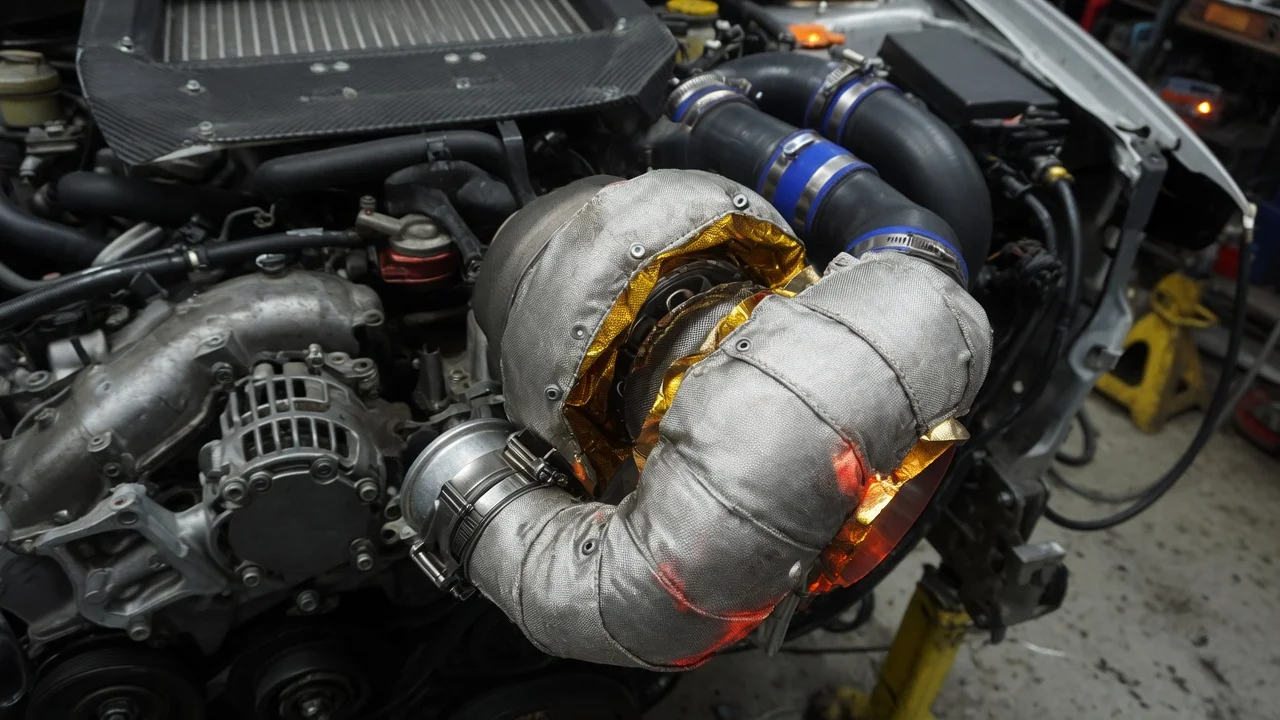
A turbo heat shield on a Subaru WRX looks like a simple stamped part. Choosing the right one still depends on the generation, the engine under the hood and what has already been changed on the car. This guide covers how to confirm that you need a replacement, how to check fitment against your model year and engine configuration, which features matter, and what installation and upkeep involve, so you can narrow your options to a short, sensible list.
Define the job the product must do
Most owners shopping for a turbo heat shield for a WRX fall into one of three groups. Some hear a new rattle or buzz from the engine bay. Some find a shield that is cracked, corroded or missing after earlier work. Others have fitted an aftermarket up-pipe, downpipe or turbo, and the stock shield no longer bolts up. Each situation calls for a different purchase. A rattle is often cured with new fasteners rather than a new shield, a damaged shield needs a direct replacement, and a modified car needs a shield designed around the new parts.
Separate symptom reports from verified failures before you spend money. A metallic buzz at a particular engine speed or on a cold start is commonly blamed on the turbo shield, but downpipe, catalytic converter and center-pipe shields make the same sound. Write down the symptom conditions: engine temperature, rpm, whether it occurs at idle or only under load, and whether it changes over bumps. Then inspect with the engine fully cold. Check every fastener, tap each shield by hand and look for broken mounting tabs, cracked welds, missing bolts and heat discoloration on nearby hoses or wiring. A shield that moves, is cracked or is missing a bolt is a verified fault. A noise on its own is not. A loose shield does not set diagnostic codes by itself, so any stored codes point to a separate problem, such as an exhaust leak near the turbo, that needs its own diagnosis.
Also note your practical constraints. A daily driver in a road-salt region needs corrosion resistance more than minimal weight. A track car may justify more expensive materials. If you do your own work, the tools and access you have will limit which designs you can realistically install.
Check compatibility
Model year alone is not enough to confirm fitment, because the WRX has used several engine families with different turbo layouts. In the US market, the 2002 to 2005 cars used the 2.0-liter EJ205, the 2006 to 2014 cars used the 2.5-liter EJ255, the 2015 to 2021 cars used the 2.0-liter direct-injected FA20DIT, and 2022 and later cars use the 2.4-liter FA24. On EJ engines, the turbo sits at the rear of the engine bay and is fed by an up-pipe. On FA engines, the turbo is mounted low, beneath the front of the engine. Shields therefore do not interchange between these families. Within a family, brackets and part numbers can still change between years. WRX STI models use a different EJ variant and may need different parts, and cars from other markets can differ again.
The interfaces that decide suitability are the mounting points on the turbo housing, up-pipe or downpipe, the bolt size and thread, the number and position of the tabs, and clearance to oil and coolant lines, brake lines, wiring harnesses and oxygen sensor bosses. The most reliable reference for a stock car is the manufacturer specifications. A parts lookup using your VIN identifies the exact factory part. Aftermarket listings should state specific years and the engine code, not just the model name.
Your service history matters here. If a previous owner replaced the turbo, up-pipe or downpipe, a factory-pattern shield may not align with the new housing or flanges. Confirm what is actually installed before ordering a shield.
Features that affect the choice
The main decision is between a rigid shield and a soft turbo blanket or wrap. Rigid shields, usually aluminized or stainless stamped steel, reflect heat away from nearby components. They keep factory clearances and leave the turbo visible for inspection. Blankets enclose the turbine housing and keep more heat inside it. The downsides are that blankets can hide exhaust leaks and cracks, can absorb oil or coolant if a leak develops, and wear or fray over time. Owner claims about lower under-hood temperatures with blankets are mostly anecdotal. Treat them as reports rather than measured results.
Marketing labels such as race-proven, or promises of a specific temperature drop with no test conditions given, tell you little. More useful evidence includes the stated material and thickness, an exact fitment list by year and engine code, clear photos of the mounting points, included installation instructions, and warranty and return terms. A maximum temperature rating is only meaningful if it says whether it covers continuous or intermittent exposure.
Hardware deserves as much attention as the shield. A kit with new bolts, larger washers or isolating grommets solves the common cause of rattles, which is fasteners that loosen or wear their holes oversize after repeated heat cycles. A shield without hardware forces you to reuse fasteners that may already be fatigued.
Limitations and ownership costs
A heat shield protects nearby parts from radiant heat, and that is all it does. It will not fix an exhaust leak, a boost leak or turbo bearing noise, and it adds no power. On its own it does not solve heat soak in the intake system. If a noise continues after you install a correctly fitted shield with new hardware, the source is somewhere else and needs further inspection.
Plan for installation labor even if the part is cheap. On EJ-powered cars, the top-mount intercooler usually has to come off to reach the turbo area. On FA-powered cars, access is mostly from underneath, so the car must be safely supported. Bolts near the turbo are often seized from heat cycling. Allow time for penetrating oil, and budget for the chance of a snapped bolt that needs extraction. If the up-pipe or downpipe must be loosened to fit the shield, new exhaust gaskets become consumables too. Keep anti-seize suitable for high-temperature exhaust fasteners on hand.
After installation, recheck the fasteners once the exhaust has gone through a few full heat cycles. After that, a quick look during routine oil changes is usually enough. Blankets need more frequent checks for fraying, staining or loose ties.
Build a practical shortlist
Start by recording your model year, engine code and any changes to the turbo or exhaust. Next, confirm that the fault is real: a shield or fastener you have seen loose, cracked or missing. Then compare each candidate on the same points: a fitment list that names your year and engine, a mounting design that matches your actual up-pipe, downpipe and turbo housing, the stated material and its corrosion resistance for your climate, included hardware, installation instructions, return terms, and the total cost including labor, gaskets and possible bolt extraction.
For a stock car with a verified rattle, a factory replacement shield or a quality fastener kit is usually the most direct fix. For a modified car, pick a shield from the maker of your exhaust or turbo parts, or one whose listing confirms compatibility with them. If you cannot confirm the fault or the fitment yourself, have a shop inspect the car before you buy. That is cheaper than buying the wrong shield and paying for a second installation.