Choosing a Turbo Heat Shield for a BMW B58
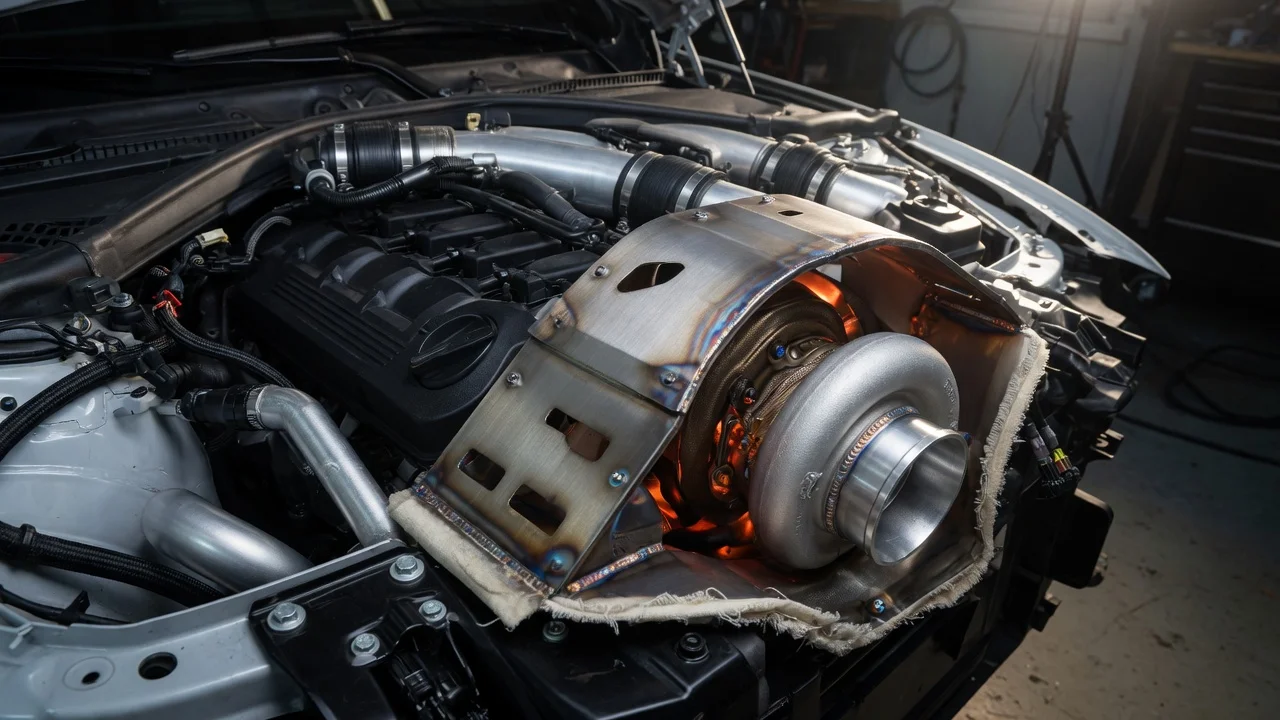
The turbo heat shield on a BMW B58 keeps radiant heat from the turbocharger and exhaust manifold away from nearby lines, wiring and plastic parts. Owners usually shop for one after hearing a rattle, finding a damaged shield, or changing the exhaust or turbo. Before you buy, confirm what problem you are solving, which B58 variant you have, and whether the part will fit the hardware on your car. This guide covers those checks from a mechanic's point of view.
Define the job the product must do
Start with the reason you need a shield. Most buyers fall into one of four groups: replacing a cracked, bent or missing factory shield; chasing a rattle; restoring a car after turbo or downpipe work; or reducing under-hood heat on a modified engine. Each of these leads to a different purchase. A stock car with a broken mounting tab usually needs an original-equipment or equivalent replacement. A car with an upgraded turbo or aftermarket downpipe may need a part designed around that hardware, or no factory-style shield may fit at all.
Separate symptom reports from verified failures. A metallic buzz or rattle is the symptom most often blamed on the turbo heat shield, but on a B58 that noise can also come from downpipe or catalyst shields, underbody panels, exhaust hangers or loose clamps. Write down the symptom conditions: cold or warm engine, idle or under load, and the approximate engine speed. Then confirm it with an inspection on a cold engine. A verified failure looks like loose or missing fasteners, a cracked tab, rub marks or a shield that moves by hand. A heat shield does not normally set diagnostic codes, so a stored boost, wastegate or sensor code points to a separate problem that a new shield will not fix.
Check compatibility
Engine configuration matters more than the model name. The B58 has been built in several versions: the original engine used in F-chassis cars, an updated version introduced with the G-chassis models, and a later technical update often called the B58TU. Turbo, manifold and surrounding component layouts changed between these generations, so a shield listed for one B58 may not line up on another. Model year alone can mislead you, because model changeovers did not happen at the same time across every vehicle line. Decode the VIN or check the exact engine code against a parts catalog before ordering.
Next, check the physical interfaces. Compare the mounting points, the fastener type and the shield's outline with the part on your engine. Confirm clearance to the oxygen sensor, coolant and oil lines, wiring and the downpipe connection. Review the car's service history too. A replaced turbocharger, an aftermarket downpipe, or earlier work by another shop may have left non-original brackets, missing hardware or a different turbo housing. If the car is modified, ask the seller whether the shield has been fitted with that specific turbo or downpipe, not just with a stock B58.
Features that affect the choice
Material and construction drive most of the trade-offs. Factory-style shields are typically stamped, layered metal that bolts to fixed points and is easy to inspect around. Aftermarket rigid shields may use stainless steel or titanium and differ in weight, thickness and price. Turbo blankets are a different approach: a wrapped insulating cover that holds heat inside the turbine housing instead of reflecting it. Blankets can lower surrounding temperatures, but they also hide the housing, make leaks harder to spot, and can absorb oil or coolant if a leak develops. Decide whether easy inspection or maximum insulation matters more for your car.
Treat marketing labels with care. Claims such as "motorsport grade" or a specific temperature drop mean little unless the seller explains how and where it was measured, on which vehicle, and under what driving conditions. Without that context, numbers from different brands are not comparable. More useful evidence includes a clear fitment list by engine code, complete included hardware, isolating washers or spacers that reduce vibration noise, and installation instructions that refer you to manufacturer specifications for torque values.
Limitations and ownership costs
Plan the installation before you buy. On a B58, reaching the turbo heat shield may require removing covers, intake ducting or other parts, and exhaust-side fasteners are often seized or corroded. Budget for new bolts or nuts, and for gaskets if the downpipe has to come off. Work only on a fully cooled engine and tighten fasteners to the manufacturer specifications. After a few heat cycles, recheck the fasteners, since a shield that loosens again will bring the rattle back.
Be clear about what a shield cannot do. It will not repair a failing turbocharger, fix an oil or coolant leak, cure a wastegate fault, seal an exhaust leak or restore lost boost. If the inspection shows the shield is secure and the noise persists, look for the source elsewhere instead of buying more parts. Ownership costs include the part, labor or your own time, replacement hardware and any return shipping if fitment is wrong. If the car is under warranty or subject to emissions inspection, check how aftermarket heat management parts are treated before installing them.
Build a practical shortlist
Use a short checklist to compare options instead of relying on rankings. First, confirm the diagnosis: you have seen a loose, cracked or missing shield, or you have a documented reason to change it. Second, confirm the exact B58 engine code and record any turbo, downpipe or manifold changes in the car's history. Third, check that each candidate lists your engine code and your exhaust hardware, not just the engine family.
Then compare the remaining options on construction type, included hardware, inspection access, installation instructions and the seller's return policy for parts that do not fit. Add up the total installed cost, including fasteners, gaskets and labor, rather than comparing part prices alone. For a stock car, a correct factory-equivalent shield with new hardware is usually the simplest choice. For a modified engine, give priority to confirmed fitment with your specific turbo and downpipe over material claims.