Choosing Tie Rod Ends for a Jeep Wrangler
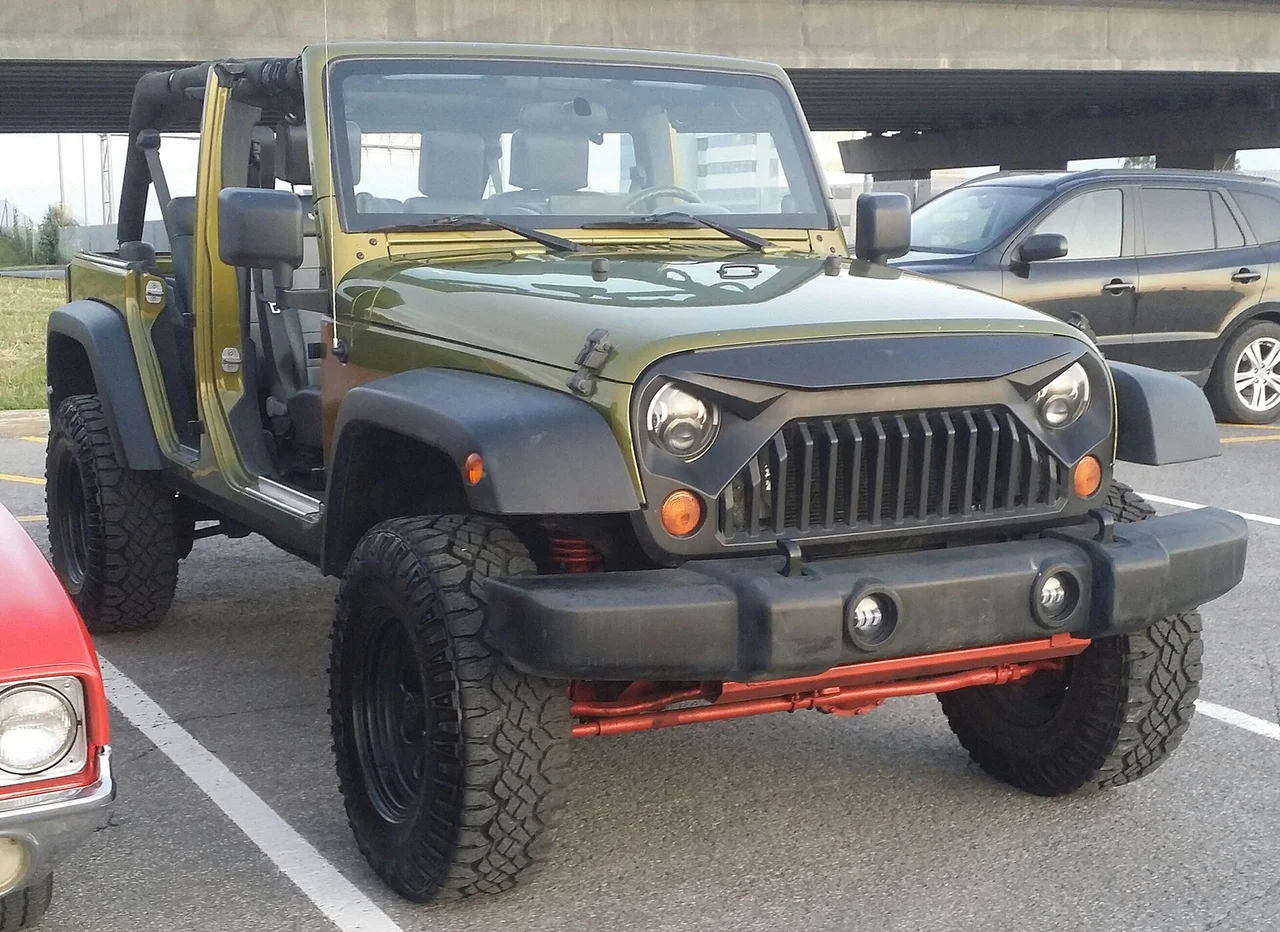
Worn tie rod ends can make a Wrangler wander, clunk over bumps and wear the edges of its front tires. Choosing replacements looks simple until you notice how many listings cover several generations, axle options and lifted builds at once. This guide explains how to define what your Jeep needs, confirm fitment, judge features on evidence rather than labels, plan for ownership costs and narrow the options to a short list you can trust.
Define the job the product must do
Start with how the Jeep is used. A daily-driven Wrangler on stock-size tires asks little more of its steering joints than the factory design was built for, so an OE-style replacement is usually the sensible match. A Jeep with larger, heavier tires, a lift, or regular trail and rock use is a different case. Bigger tires increase the leverage acting on the steering linkage, and the tie rod sits low enough on a solid front axle to take direct hits from rocks. Those owners often benefit from stronger joints or a complete upgraded tie rod, while a stock-height commuter may gain nothing from them except cost and weight.
Next, confirm that the tie rod ends are actually the problem. Drag link ends, ball joints, track bar bushings, the steering box and wheel bearings can all produce looseness that feels similar from the driver's seat. A common first check is to have a helper rock the steering wheel back and forth with the tires on the ground while you watch each joint for movement before the wheel responds. To inspect further, raise the front on level ground with the rear wheels chocked and rest it on rated jack stands placed at proper support points, never on a jack alone. Then check for joint play, torn boots and grease loss. Finally, decide your practical constraints: budget, whether you or a shop will do the work, and whether you need one end, both ends or a full tie rod.
Check compatibility
Wrangler generations, including the YJ, TJ, JK and JL, use different steering parts, so a tie rod end that fits one will not necessarily fit another. Model year alone can mislead: the 2018 model year was sold as both the outgoing JK and the new JL, so confirm which body you have. Suppliers also frequently split fitment by trim, body style and front axle, so check a listing against all of those details rather than the model name. If the catalog lets you search by your exact build or VIN, use it, and treat any listing that only says it fits Wrangler models as incomplete information.
The physical interfaces matter as much as the catalog entry. The tapered stud must match the bore in the knuckle, the shank thread size must match the tie rod tube or adjuster, and thread direction must be correct, because tie rods commonly use a left-hand thread on one side so the tube can be turned to set toe. On a lifted or modified Jeep, look at what is installed now before ordering. An aftermarket tie rod may already be fitted, some lift setups move the tie rod relative to the knuckle arm, and some heavy-duty steering systems use a larger taper that requires the knuckle to be reamed, which is not reversible. Part numbers stamped on the existing joints, or careful measurements, can prevent buying stock parts that no longer fit your mounting points.
Features that affect the choice
Greaseable joints have a fitting that lets you purge old grease, water and grit, which can extend service life if you actually grease them at the intervals the manufacturer recommends. Sealed joints need no routine service, but once contamination gets past the boot they cannot be refreshed and must be replaced. Pick the type that matches your maintenance habits: a greaseable joint that is never serviced offers no advantage. Boot quality matters with either design, since a split or poorly fitting boot is a common way joints fail, especially on Jeeps that see mud and water crossings.
Heavy-duty designs typically use a larger ball, a thicker housing or a bigger stud, and those changes can help on a Jeep running large tires. The label itself proves little, though. Terms such as heavy-duty or severe service are marketing language unless the listing backs them with specifics. Useful evidence includes published stud diameter and taper, thread size and direction, housing material and construction, whether a castle nut and cotter pin are included, clear fitment tables and written warranty terms. Also consider whether ends alone solve the problem. If the tie rod tube is bent from a trail hit, new ends will not restore correct geometry, and a complete assembly, sometimes with a larger tube, is the more honest fix.
Limitations and ownership costs
Replacing tie rod ends changes toe, so plan for a professional wheel alignment after the job even if you count threads carefully during installation. Budget for tools as well: a joint separator or puller, a torque wrench and new cotter pins. A pickle fork will separate the joint but often destroys the boot, which only matters if you intend to reuse the part. Tighten every nut to the fastener specification in the service information for your exact model year; do not guess at values. With a castle nut, line up the slot with the cotter pin hole by tightening further within the specified range rather than backing the nut off. Turn the steering from lock to lock afterward to confirm nothing contacts the wheel, tire or other components.
Be clear about what new tie rod ends cannot do. They will not cure a worn track bar, loose ball joints, a tired steering box, out-of-balance tires or incorrect alignment, and the violent front-end shake many Wrangler owners know as death wobble often has more than one cause. A steering stabilizer can mask looseness, but it does not remove it. If the Jeep's ride height has changed, other steering and suspension angles may also need attention. Ongoing costs include inspection at tire rotations, greasing where applicable, and possibly matching drag link ends or knuckle work if you move to a heavy-duty system.
Build a practical shortlist
Before comparing prices, confirm that each candidate passes these checks: explicit fitment for your generation, model year, trim and front axle; compatibility with any lift or aftermarket steering already installed; a stud taper and thread specification that match your knuckles and tie rod; a greaseable or sealed design that suits how you will maintain it; included hardware; and warranty terms you can actually use. Decide up front whether you need individual ends or a complete tie rod, and add the alignment and any required tools to the total cost rather than comparing part prices alone.
Narrow the field to two or three options whose fitment is documented rather than implied, and drop any listing that cannot answer basic questions about taper and threads. When replacing both ends, buying them from the same product line keeps construction and wear characteristics consistent across the axle. For a stock Wrangler, a well-documented OE-style part is usually enough; for a lifted Jeep on large tires, give priority to verifiable dimensions and a design built for that load over claims printed on the box.