Choosing Tie Rod Ends for a Ford F-250
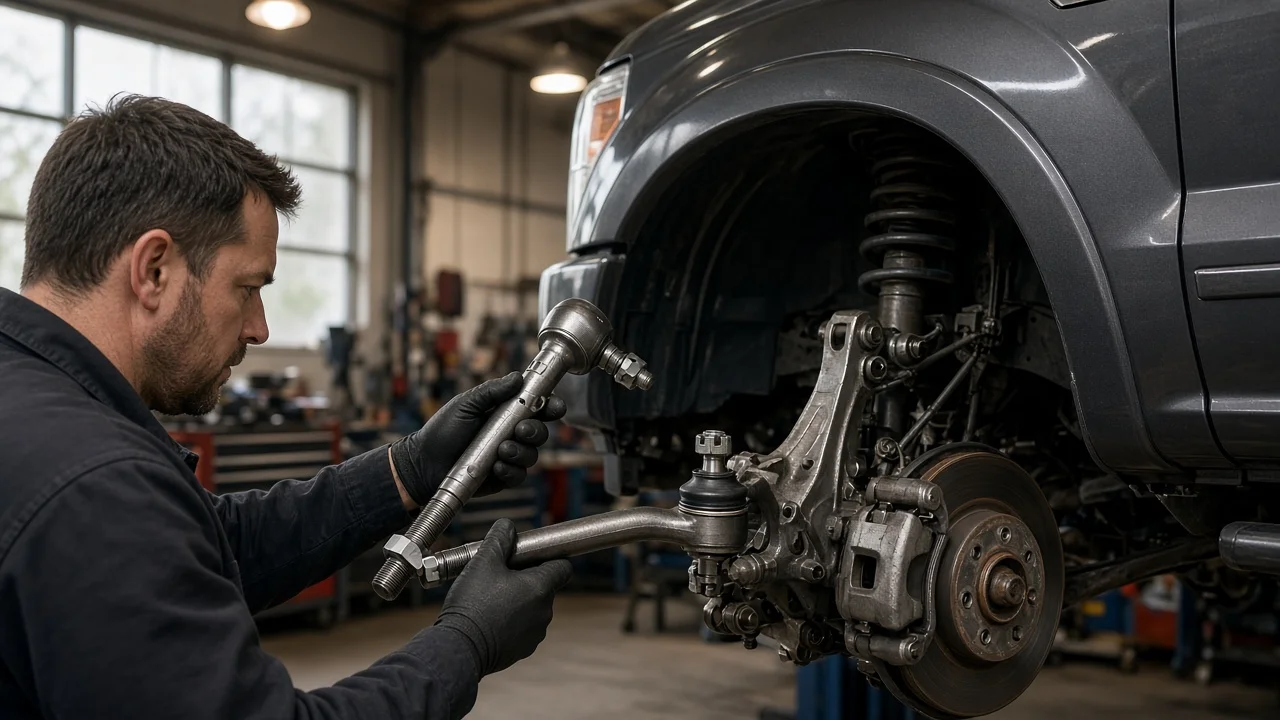
Tie rod ends on a Ford F-250 carry steering loads from a heavy truck, often with a diesel engine, a plow or a trailer adding stress. Choosing replacements is less about brand names than about matching the exact steering linkage on your truck, deciding between greasable and sealed designs, and budgeting for the work that follows. This guide walks through how to narrow the options before you order parts.
Define the job the product must do
Start with how the truck is actually used. A Super Duty that tows a fifth-wheel, carries a snowplow, runs larger tires or sees regular off-road use puts more load through the steering linkage than one that commutes empty. Those conditions affect how much you should value a serviceable joint, a tougher boot or a heavier-duty assembly. Also note whether the truck is two-wheel drive or four-wheel drive, and whether it sits at stock height or has been lifted, because each of these changes which parts fit and how the linkage behaves.
Before buying anything, confirm that the tie rod ends are the worn parts. Common signs include loose or wandering steering, a clunk when turning at low speed, uneven tire wear on the inner or outer edges, and a steering wheel that no longer centers. Those symptoms can also come from ball joints, a track bar, the steering gear or the drag link, so check joint play directly. With the truck on the ground, have a helper rock the steering wheel back and forth while you watch each joint. Visible movement between the stud and the socket, or a torn boot leaking grease, points to that specific end. Replacing parts by guesswork tends to cost more than a careful inspection.
Check compatibility
The F-250 name has covered several platforms and generations, and steering linkage designs changed along the way. Two trucks from similar years can still differ by drive type, axle, cab configuration or factory options. Look up parts by model year, drivetrain and, ideally, the VIN rather than relying on a generic listing. Parts catalogs often split applications by production date or by 2WD versus 4WD, and those notes matter.
Next, identify exactly which joint you are replacing. Many four-wheel-drive Super Duty trucks use a tie rod connecting the two steering knuckles plus a separate drag link from the pitman arm, and each has its own ends. An inner end, an outer end and a drag link end are not interchangeable even when they look alike. Check that the tapered stud matches the bore at the mounting points on the knuckle or linkage, and that the threaded shank matches the adjusting sleeve, since sleeves use left-hand and right-hand threads on opposite sides. The overall length must also let you set toe within the adjuster's range. If the truck has a lift kit, aftermarket steering or a relocated drag link, the original part numbers may no longer apply, so confirm fitment with the kit maker.
Features that affect the choice
The main design choice is between greasable and sealed joints. A greasable end has a grease fitting so fresh grease can push out water and grit, which suits trucks exposed to mud, road salt, plowing or frequent off-road driving. It only helps if someone actually greases it on schedule, and overfilling can split a boot. A sealed end is lubricated for life and needs no routine service, which appeals to owners who rarely get under the truck, but once its boot tears it cannot be refreshed and must be replaced. Neither design is automatically better; match it to how the truck is maintained.
You can also choose between replacing a single end and buying a complete tie rod or drag link assembly. Individual ends cost less and make sense when only one joint is worn and the adjusting sleeve turns freely. A complete assembly saves time when sleeves are seized or several joints are worn, and it gives you matched parts. Owners of lifted or heavily loaded trucks sometimes consider heavy-duty steering upgrade kits with larger tubes and joints. These can be worthwhile, but they must be designed for your axle and lift height, and some require reaming the knuckles, which is not easily reversed.
Treat labels such as heavy duty, severe service or OE quality as claims rather than evidence. More useful information includes published stud and shank dimensions, confirmation that the part matches the factory taper, the socket and bearing design, boot material, and whether a new castle nut and cotter pin or a locking nut are included. Read the actual warranty terms as well: a lifetime warranty may cover only the part, not the labor or alignment needed to install a replacement.
Limitations and ownership costs
Replacing tie rod ends is manageable for an experienced home mechanic, but it demands proper vehicle support. Lift the truck only at the points listed in the owner's manual or service information, and rest it on jack stands rated for its weight on firm, level ground; never work under a truck held only by a jack. You will usually need a separator or puller to free the tapered stud, penetrating oil for rusted threads and a torque wrench. Take the fastener specification from Ford service information or the part manufacturer for your exact truck, install new cotter pins or locking nuts, and follow the instructions for aligning castle nut slots. Measure the old assembly or count the turns as you remove the end so the new one starts close to the original setting.
Any tie rod end replacement disturbs toe, so plan a professional wheel alignment right after the job; counting turns only gets the setting close enough to reach the shop. Include that alignment, a separator tool and any seized sleeves or clamps in the real cost. If the truck has a modified ride height, settings should come from the lift maker or service data, not guesswork. Also remember what new tie rod ends cannot do: they will not cure a worn steering gear, loose ball joints, a failing track bar or a weak steering stabilizer, and they will not fix handling problems caused by mismatched tires or poor lift geometry.
Build a practical shortlist
Run every candidate through the same short checklist. Confirm the listing matches your model year, drivetrain and VIN-based catalog data, and that it is the correct position: inner, outer or drag link end, with the right thread direction. Check that the stud taper and shank thread match your existing parts and that the length works with your adjusting sleeve. Decide whether a greasable or sealed design fits your maintenance habits, and whether a single end or a complete assembly makes more sense given the condition of the sleeves.
Then compare the remaining options on verifiable details: included hardware, published dimensions, boot design, warranty terms and suitability for a stock or lifted truck. Keep two or three choices that pass every fitment check and set aside listings that offer only marketing labels. Add the tools, any replacement sleeves and the alignment to each option's price so the comparison reflects the full cost of keeping your F-250 steering precisely and safely.