Choosing an S400 Turbo Blanket: Fitment, Features and Real Limits
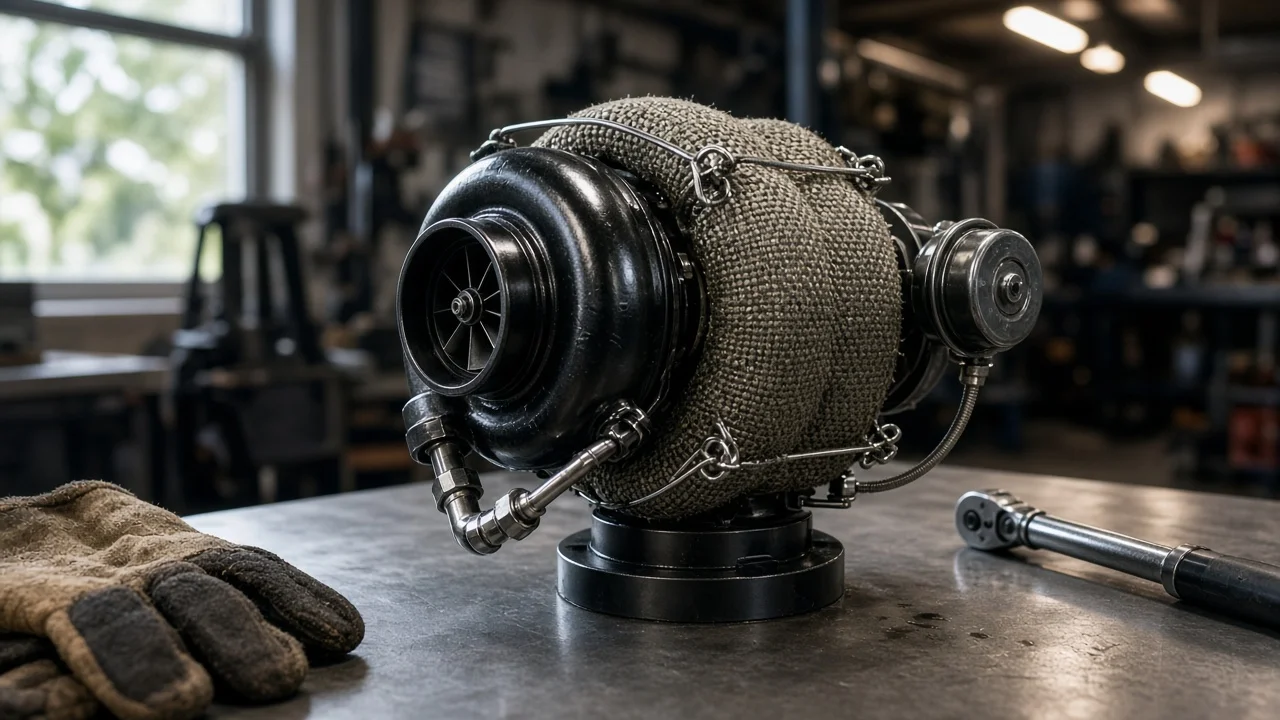
A turbo blanket wraps the hot side of a turbocharger to keep radiant heat away from nearby parts and, in some builds, to hold more energy in the exhaust stream. With BorgWarner S400-series turbos, the harder part is matching a blanket to the exact turbine housing, flange and mounting position on your engine. This guide covers how to define the job, confirm fit, judge features and understand what a blanket cannot fix.
Define the job the product must do
S400 frame turbos show up in very different builds: single-turbo diesel pickups, the large stage of compound setups, pulling trucks and gasoline drag cars. The reason for buying a blanket changes with the build. On a street or towing truck, the usual goal is protecting wiring, brake lines, intake boots, fender liners and the firewall from sustained heat. On a competition vehicle, owners often add one hoping to improve spool or lower intake temperatures. Heat protection is a reasonable, well-understood expectation. Spool and power gains are mostly owner reports, and they are hard to separate from tuning, weather and other changes made at the same time.
Write down your practical constraints before shopping: where the turbo sits, how close the hood, inner fender and other turbo are, whether you pull the turbo often for racing or service, and whether a sanctioning body or kit maker has rules about wrapping. If a melted boot or scorched harness prompted the purchase, confirm the cause first. That kind of damage is a symptom report, not a verified diagnosis. A leaking manifold gasket, slip joint or V-band clamp can blow hot gas directly onto parts, and a blanket would hide that leak rather than cure it.
Check compatibility
S400 describes a frame family, not one shape. Turbine housings in this family vary in inlet flange (T4 or T6), open or divided scroll, A/R size and outlet design, and aftermarket or modified housings can differ again. A blanket sold simply as fitting an S400 is usually cut for one specific housing. Identify yours from the housing casting marks, part number or the kit documentation, and compare that with the blanket maker's listed housing. When the listing is vague, ask for the exact inlet flange, scroll type and A/R it was patterned on before ordering.
Next, check the interfaces around the housing. Turbine housing clocking decides where the blanket seam and openings land, so the same housing can need a different orientation on another manifold. Look for EGT probes, pressure ports, oil feed and drain lines, coolant lines on the center housing, and any wastegate outlet near the turbine side. Engine configuration and model year matter because manifold design, turbo angle and clearance differ between platforms and between kit generations on the same platform. If the turbo came as part of a kit, read the kit maker's specifications on blankets; some address wrapping directly, and their guidance should take priority over a generic product description.
Features that affect the choice
Most blankets use an insulating core of woven fiberglass, basalt or silica, covered by an outer layer such as stainless mesh or a branded weave. Names like titanium or lava often describe appearance or a trade name more than a measured performance difference. Temperature ratings are not standardized across sellers, so ask whether a figure is continuous or short-term peak and how it was established. A diesel holding high exhaust temperature for long pulls under load places a different demand on the material than a gasoline car making short passes.
Retention hardware deserves as much attention as the insulation. Springs and hooks allow quick removal but can lose tension after repeated heat cycles; stainless wire holds firmly but takes longer to remove and refit. Check how the seams overlap around the flange and outlet, because gaps there let heat escape where you least want it. Thickness affects clearance in tight compound setups. A two-piece design can sometimes be installed without removing the turbo, which matters when access is limited. Some outer layers resist oil better than others, but no blanket is oil-proof.
Treat useful evidence differently from marketing labels. Photos of the blanket installed on the same housing and clocking as yours, clear installation instructions, stated material composition and written warranty terms all help. Phrases such as race-proven or best on the market tell you nothing. Claims of large underhood temperature drops or faster spool carry weight only when the seller states the conditions, such as ambient temperature, load and measurement location.
Limitations and ownership costs
Install a blanket only on a cold engine. Expect to remove heat shields or intake piping on some layouts, and wear gloves, since insulating fibers can irritate skin. After the first several heat cycles, recheck clearances, seams and spring tension, because the material can settle and shift. A new blanket may also smoke briefly as coatings burn off; that should stop quickly, and persistent smoke points to contamination or contact with something it should not touch.
Plan for ongoing inspection. An oil-soaked or fuel-soaked blanket is a fire hazard and should be replaced, not cleaned and reused. Because the blanket covers the turbine housing and flange, it can hide cracks, leaks and loose fasteners, so remove it during scheduled inspection and note those checks in the service history. Some builders raise concern about extra heat reaching the center housing, which makes oil change intervals and cooldown practice worth following closely; your turbo maker's guidance is the reference here. Blankets fray, springs break and coverings wear, so treat the blanket as a consumable with a replacement cost.
A blanket also has clear limits. It will not correct high exhaust temperatures from tuning, seal an exhaust leak, repair worn bearings or shaft play, or clear diagnostic codes related to boost, EGT or emissions sensors. If a code appeared after installation, check whether a sensor harness or connector was disturbed, pinched or heated during the work.
Build a practical shortlist
Narrow the field to a few candidates and check each one against the same points. Confirm it is patterned for your inlet flange, scroll type, A/R and outlet design. Confirm the openings clear your probes, lines and ports at your housing clocking. Note the stated material layers and whether the temperature rating separates continuous from peak use. Check that retention hardware is included and suits how often you remove the turbo. Look for installation instructions, fit photos on a matching housing, return terms if the blanket does not fit, and warranty language, including any exclusion for oil contamination.
Once installed, record the blanket type, housing identification and installation date with your service records. If you want to judge its effect, compare observations under matched symptom conditions, such as similar ambient temperature, load and route, rather than relying on a single impression. That habit turns anecdotes into usable information and makes the next inspection or replacement easier.