Choosing a VRSF Intercooler: Fitment, Features and Ownership Costs
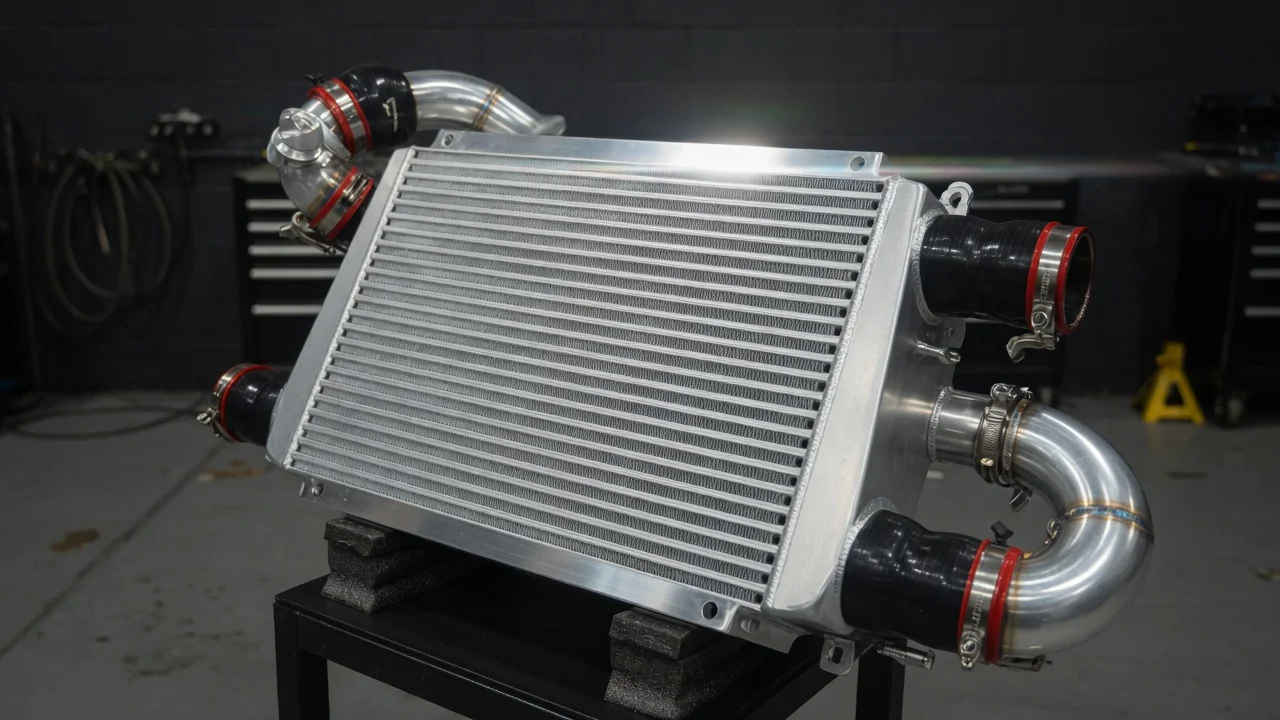
A VRSF intercooler is an aftermarket front-mount upgrade aimed mostly at turbocharged BMW engines, and it only pays off when it matches your car and your goals. This guide covers how to define the job, confirm fitment by engine configuration and model year, judge core design without trusting marketing labels, and budget for installation and upkeep before you narrow down a shortlist.
Define the job the product must do
Most owners shopping for an intercooler from VRSF are trying to control intake air temperature. On a turbocharged engine, the factory intercooler can heat soak during repeated hard acceleration, track sessions or long climbs in hot weather. The car feels strong on the first pull and softer on the second or third, and logged intake air temperatures climb and stay high. A larger front-mount core gives the charge air more surface area and thermal mass. That slows the temperature rise and helps the engine management hold ignition timing instead of pulling it back.
Be honest about how the car is used. A daily driver on a stock tune in a mild climate may show little practical difference. A tuned car running higher boost, a car that sees track days, or one that lives in a hot region usually benefits most. Also set your practical constraints early: total budget including labor, whether you will install it yourself, how much bumper or undertray modification you will accept, and whether your state's inspection program looks at aftermarket intake components.
Separate symptom reports from verified failures before you buy. Power fade on a hot day is a symptom, not a diagnosis. Log intake air temperature and actual boost against target under the same symptom conditions, read any stored diagnostic codes such as an underboost fault, and smoke-test the charge system. A cracked charge pipe, a split coupler or a wastegate problem produces similar complaints, and a new intercooler will not fix any of them. Check the service history as well, because worn plugs, failing coils and boost leaks are far cheaper to rule out first.
Check compatibility
VRSF kits are built for specific chassis and engine combinations, so start with the exact engine code rather than the model name. The engine configuration can change within one nameplate: the E-series 335i used the twin-turbo N54 in earlier years and the single twin-scroll N55 in later years, while the 335is kept the N54. Later F-series and G-series cars use different bumpers, mounting points and charge pipe routing again. Drivetrain and trim level can also change what sits behind the bumper on some models, so read the exact applicability notes for each kit instead of assuming a family-wide fit.
Next, check the interfaces. Note the inlet and outlet diameters and whether the kit connects with silicone couplers or keeps the factory-style quick connectors. Find out whether it reuses the stock charge pipe and inlet pipe or needs aftermarket ones, and whether it provides a place for any boost or charge air temperature sensor your setup uses. Confirm clearance around the crash bar, fog lights, parking sensors and any driver-assistance radar on newer cars. Bumper styles differ between base, sport and M-style packages and between pre- and post-facelift years. Compare all of this against the manufacturer specifications and fitment notes, and ask the seller directly if anything is unclear.
Features that affect the choice
Core construction is the first real trade-off. Bar-and-plate cores are generally tougher and carry more thermal mass, which helps resist heat soak, but they weigh more. Tube-and-fin cores are lighter and can flow well for their size, but they are usually less resistant to damage. Core size matters too. More frontal area and thickness add cooling capacity, but a thicker core can restrict airflow to the radiator and condenser behind it, and extra internal volume can slightly soften throttle response. Some kits for these platforms use a stepped core shaped to clear the bumper structure while maximizing volume, so check whether that design suits your bumper and front sensors.
Treat labels such as race, competition or max as descriptions of size, not proof of results. Useful evidence includes published core dimensions, inlet and outlet sizes, end tank construction, weight and fitment notes. If a seller shows intake temperature logs, look for the conditions behind them: ambient temperature, boost level, tune and number of consecutive pulls. Owner logs from the same engine and similar tune are helpful context, but they are still individual reports rather than controlled comparisons.
Limitations and ownership costs
Installation usually means removing the front bumper cover, unbolting the stock unit and sometimes trimming an undertray or bumper support. Budget for quality clamps and couplers, plus a new charge pipe if the kit or your car requires one. A shop will charge several hours of labor depending on the platform. After installation, smoke-test the system, recheck clamps after the first few heat cycles, and talk to your tuner, since some tunes are adjusted for a larger intercooler. If the car is under warranty, understand how modifications might affect coverage before you start.
Know what the part cannot do. An intercooler does not add power on its own beyond preventing heat-related losses, and it will not cure misfires, boost leaks or turbo wear. A larger front-mount core is more exposed to road debris, so bent fins, stone chips and packed bugs should be part of routine inspection. Couplers age and should be checked for cracks or loose clamps, and a light oil film inside the piping is common on turbo engines but worth monitoring for sudden increases. Watch coolant temperatures in hot stop-and-go traffic for the first few weeks to confirm the radiator still gets enough air.
Build a practical shortlist
Before comparing options, write down your engine code, chassis, model year, bumper style and current tune. Then check each candidate against the same points: confirmed fitment for that exact combination, inlet and outlet sizes, whether stock charge pipes are reused, required trimming, core construction and dimensions, sensor provisions, compatibility with fog lights and front sensors, total cost including couplers, labor and any tune revision, and the seller's return policy if fitment fails.
Narrow the list to two or three kits that pass every fitment check, then choose based on your use. A heavily tuned or track-driven car justifies a larger, heavier core and more installation work, while a lightly modified street car is often better served by a moderate core that installs cleanly. If you have not yet confirmed that heat soak is the actual problem, finish that diagnosis first, because the right intercooler is one that solves a verified condition rather than a guess.