Choosing a Replacement MAF Sensor That Fits Your Vehicle
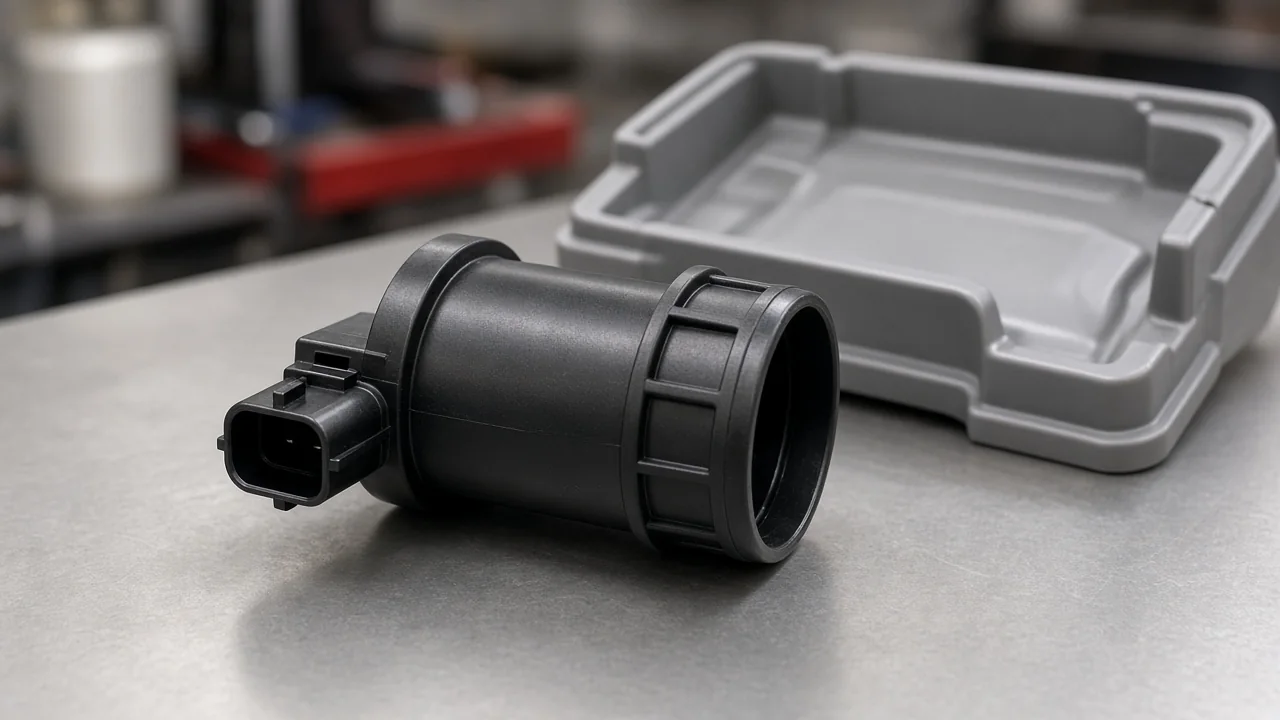
A replacement mass air flow sensor part should match the engine-management system's expected mass airflow measurement, not just look similar on the shelf. Selecting an oem mass air flow sensor or a well-documented aftermarket equivalent starts with confirmed vehicle fitment, a traceable part number, and the right electrical connector and sensor housing. Premium claims and mixed mass air flow sensor parts listings still need calibration and application evidence before purchase.
Confirm That a Replacement MAF Sensor Is Needed
Hesitation, rough running, and a warning light can justify investigation of airflow-related faults, but they do not establish that the mass air flow sensor has failed. Intake leaks, damaged wiring, connector corrosion, and other engine-management problems can distort mass airflow measurement and produce similar drivability complaints. A stored fault code is evidence to interpret, not proof that a mass air flow sensor part has stopped working. Treat those symptoms as a reason to diagnose, not as a shopping list.
Professional diagnosis should separate sensor failure from leaks, wiring faults, and related control issues before any purchase. Follow the vehicle-specific diagnostic procedure for that engine configuration, including live data review and checks called out by the manufacturer. Codes that mention airflow or mixture can be manufacturer-dependent and require vehicle-specific confirmation. Buying an oem mass air flow sensor or any replacement without that confirmation risks replacing a working part while the actual problem remains in the intake or harness.
Identify the Correct Sensor for the Vehicle
Vehicle fitment for a mass air flow sensor part depends on more than make and model. Use the VIN, model year, and engine configuration together, then check documented part-number supersessions so an older listing is not ordered against a later service number. Catalogs can list several mass air flow sensor parts that look related yet serve different engines. Confirm the application before assuming interchange, especially when mid-year production changes or regional variants exist.
Application-catalog confirmation should cover the electrical connector, sensor housing configuration, and any integrated intake air temperature sensor function required by that engine. Matching appearance or connector shape does not establish correct sensor calibration or compatibility with the control module's expected airflow tables. A housing that bolts in can still report values the system cannot use. Verify that the listed part number and documented coverage match the vehicle rather than relying on a similar-looking unit from another application.
Understand OEM Specifications and Product Claims
Original equipment manufacturer terminology describes the company that designed or specified the parts originally supplied with the vehicle, which is not always the same firm that later packaged a replacement. When a listing advertises an oem mass air flow sensor, verify who made and supplied the listed sensor and whether that identification is traceable. A brand name on a box does not automatically equal the original production source. Ask for a clear manufacturer identity rather than treating the OEM label as self-explanatory.
The sensor's airflow response must match the engine-management system's expected calibration so reported mass airflow measurement stays within the range the software was written to use. Phrases such as OEM-grade and OEM-quality need supporting application and specification documentation; they are claims, not proof. Useful documentation includes a traceable manufacturer, an exact part number, and explicit coverage for the vehicle's engine configuration. Without that paper trail, product language cannot confirm that the mass air flow sensor part will behave like the original.
Evaluate Premium and Aftermarket Sensor Listings
Calling a unit a premium mass air flow sensor is a product claim whose meaning depends on the supplier's documented specifications and testing, not on the word itself. An aftermarket listing should show confirmed application coverage, calibration information, and clear manufacturer identification. Price, badges, and marketing copy do not prove sensor performance. Stay brand-neutral and compare what is actually documented for that mass air flow sensor part against the vehicle's required fitment and airflow characteristics.
Seller traceability, protective packaging, warranty coverage, and electrical-part return policies also inform a purchase of mass air flow sensor parts. A seller who can identify the manufacturer and honor returns on unused electrical components reduces risk if the catalog match later proves wrong. Packaging that shields the sensing element from handling damage matters because contamination can alter readings before the part is installed. Read warranty terms for what they actually cover rather than treating a long period as evidence of calibration quality.
Check Package Contents and Plan Post-Repair Verification
Listings may supply a sensing element or a complete housing assembly, so verify the configuration required for the specific application before ordering. Some engines reuse the original sensor housing and only replace the element; others require the full mass air flow sensor part as a unit. Check whether the documented package includes any required seals or hardware without assuming those components are universally supplied or reusable. Missing or damaged seals can allow unmetered air and recreate the symptoms that prompted replacement.
Protect the sensing element from contact and contamination, and use vehicle-specific service guidance for installation rather than improvised handling. After replacement, a technician may need to verify airflow data and operating behavior so the control system is actually using plausible mass airflow measurement. Persistent hesitation, mixture faults, or a warning light after a new oem mass air flow sensor or aftermarket unit is installed require further diagnosis. The new part is not automatically the last answer if leaks, wiring, or calibration mismatches remain.