Choosing a PRL Turbo Blanket: Fitment, Features and Real Limits
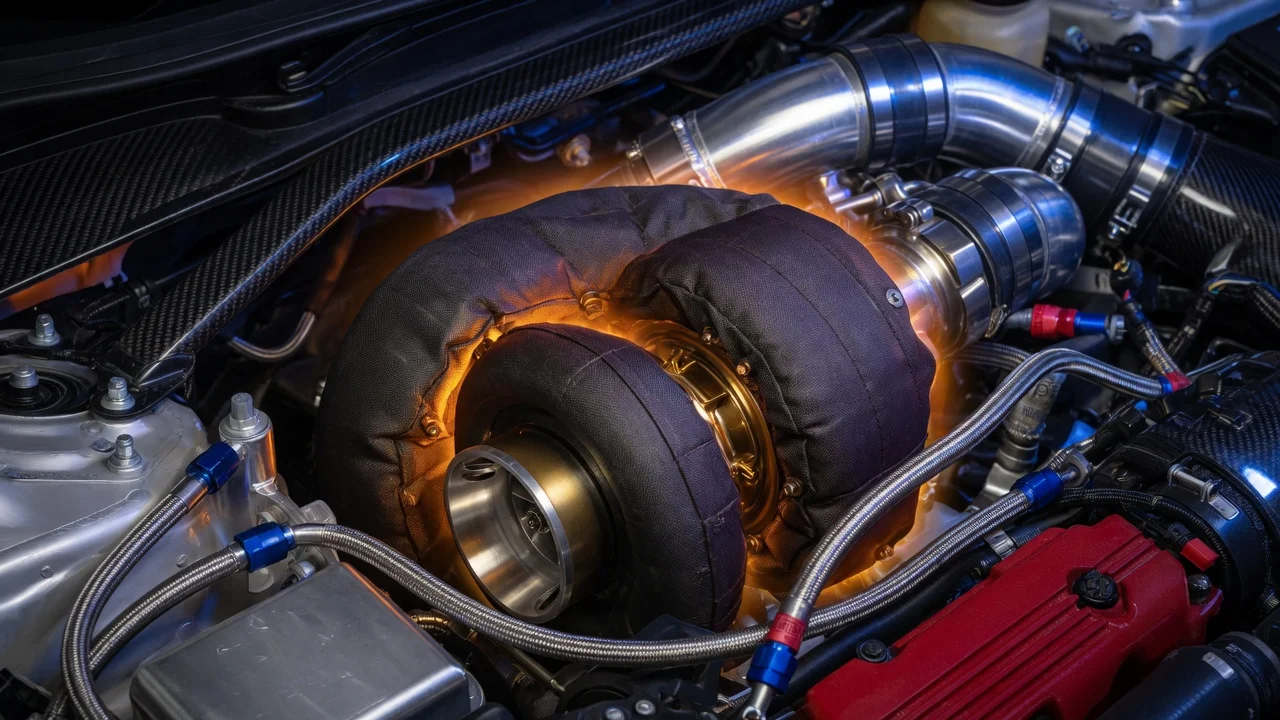
A PRL turbo blanket is an insulated cover for the hot turbine housing of a turbocharger. It keeps radiant heat away from nearby hoses, wiring and intake parts, and it holds more heat in the exhaust stream. Most buyers own the turbocharged Honda and Acura models that PRL Motorsports builds parts for. The right choice depends on your exact turbo, engine variant and model year. It also depends on what problem you expect the blanket to solve.
Define the job the blanket must do
Start with how the car is used. A daily-driven car with a factory turbo mostly benefits from less radiant heat around the engine bay and less heat soak in nearby plastic and rubber parts after a hard drive. A car that sees track days or repeated hard pulls spends longer at high exhaust temperatures, so durability and secure mounting matter more. A car with an upgraded turbo may have different housing dimensions than stock, which changes fitment completely. Also note your practical constraints: how much room surrounds the turbo in your engine configuration, whether you are comfortable removing heat shields and intake parts, and whether you want to keep a powertrain warranty claim simple. These answers narrow the options faster than any feature list.
Be clear about why you are buying. Many owners buy a blanket after reading symptom reports on forums, such as melted connectors, brittle vacuum lines or high intake air temperatures in traffic. Those posts describe symptom conditions on other cars, not verified failures on yours. Before buying, inspect the area around the turbo for real heat damage, check that the factory heat shields are present and intact, and read any stored diagnostic codes. A burning smell can come from an oil or coolant leak dripping onto the exhaust. High intake temperatures can come from intercooler or intake routing problems. A blanket will not fix either, so repair any real fault first and then decide whether a blanket still adds value.
Check compatibility with your turbo and engine
Turbo blankets are shaped for a specific turbine housing, so start by identifying the exact turbo on your engine. Match the vehicle model, model year and engine variant against the product listing. A Civic with the 1.5-liter turbo engine and a Civic Type R with its 2.0-liter turbo engine use different turbochargers. Generational updates can also change housings, brackets and sensor positions within the same model name. Service history matters as well. If the turbo was replaced with a different part number, upgraded or taken from another vehicle, the fitment listed for your car may no longer apply. When in doubt, compare the turbo's identification tag or part number with the manufacturer specifications for the blanket instead of relying on the vehicle description alone.
Next, check the interfaces around the housing. The blanket needs openings that clear the turbine inlet flange, the outlet to the downpipe and any mounting studs. On turbos with an internal wastegate, the actuator rod and linkage must move freely, and the blanket must not press against the actuator or its hose. Look for clearance around oxygen sensors, the oil feed and return lines and the coolant lines. A blanket that crowds them makes service harder and can trap heat where you do not want it. Finally, find out whether the factory heat shield must come off for installation and whether it goes back on afterward. Some blankets are designed to replace the shield and others to work with it, and that affects both fitment and protection.
Features that actually affect the choice
Construction is where blankets really differ. Most use layers: a high-temperature woven inner layer against the housing, an insulating core and an outer layer that resists abrasion and contamination. Common inner materials include fiberglass, basalt and silica-based fabrics, and each tolerates a different temperature. The stitching thread and edge finish decide how well the blanket keeps its shape through repeated heat cycles. Fraying edges are one of the most common ways these products wear out. Mounting hardware matters too. Stainless springs, hooks or wire ties should hold the blanket tight against the housing without loosening, because a loose blanket can shift, rub against lines or leave gaps. Accurate, snug cutouts are worth more than extra thickness that pushes the blanket away from the housing.
Treat performance claims with caution. Faster spool, added power or a specific drop in engine bay temperature all depend on the turbo, the engine configuration, ambient conditions and how the measurement was taken. If a listing gives a temperature rating, check whether the manufacturer specifications say what the number means, such as continuous exposure or a short peak. Without test conditions, a large number is a marketing label, not evidence. The most dependable benefit is less radiant heat reaching nearby components. Any change in spool or power on a street car is usually small and hard to separate from normal variation, so fit, build quality and easy removal for inspection are better reasons to choose one product over another.
Limitations and ownership costs
Installation takes more effort than the price suggests. Depending on the vehicle, you may need to remove intake piping, heat shields or other parts to reach the turbo, and the work should be done on a fully cooled engine. If the instructions call for disturbing exhaust joints, plan on new gaskets or hardware. Many blankets give off smoke and odor during the first heat cycles as coatings and binders cure, so follow the break-in steps in the instructions and run the engine in a ventilated space. Wear gloves when handling fiberglass or similar fabrics, because loose fibers irritate skin.
Ongoing maintenance is mostly inspection. Because the blanket covers the turbine housing, it can hide cracks, exhaust leaks at the flange and early oil seepage. Remove or lift it during routine inspection, especially after a ticking noise under load, a hot oil smell or a new diagnostic code. Replace the blanket if it becomes soaked with oil or coolant, since a contaminated blanket can smoke and is a fire risk on hot exhaust parts. Heat cycling and vibration wear the fabric over time, so check the edges, stitching and springs whenever the area is accessible. Count eventual replacement in the ownership cost, plus labor if a shop does the installation.
Know what the product cannot do. A turbo blanket does not cool engine oil, lower coolant temperature or stop an intercooler from heat soaking. It does not fix boost leaks, repair a failing turbo or clear the fault behind a check engine light. Keeping heat in the housing also means the turbo itself runs hotter, and opinions differ on the long-term effect in hard use, so follow the turbo and vehicle manufacturers' guidance on cool-down and oil changes. Keep the original heat shield and parts for warranty work or resale.
Build a practical shortlist
Use a short checklist when you compare a PRL turbo blanket with alternatives. Does the listing name your exact vehicle, model year and engine variant, or the turbo part number you actually have? Does it clear the wastegate actuator, sensors and the oil and coolant lines? Is it meant to replace the factory heat shield or work alongside it? What are the layer materials, and what does the stated temperature rating represent? What mounting hardware comes with it, and can you buy replacement springs or clips? Are the installation and break-in instructions clear? What does the warranty cover? Answer each question from the listing, the instructions or the seller, and mark anything still unanswered as unknown.
Keep only the products that pass every fitment question, then rank them on build quality and ease of removal rather than performance claims. If two options fit equally well, choose the one with clearer manufacturer specifications and better hardware. Before ordering, check your car's service history for turbo changes and inspect the current heat shields and surrounding parts. That way the blanket meets a real need on your car rather than one taken from someone else's symptom report.