Choosing a Car for Towing a Trailer, Camper or Boat
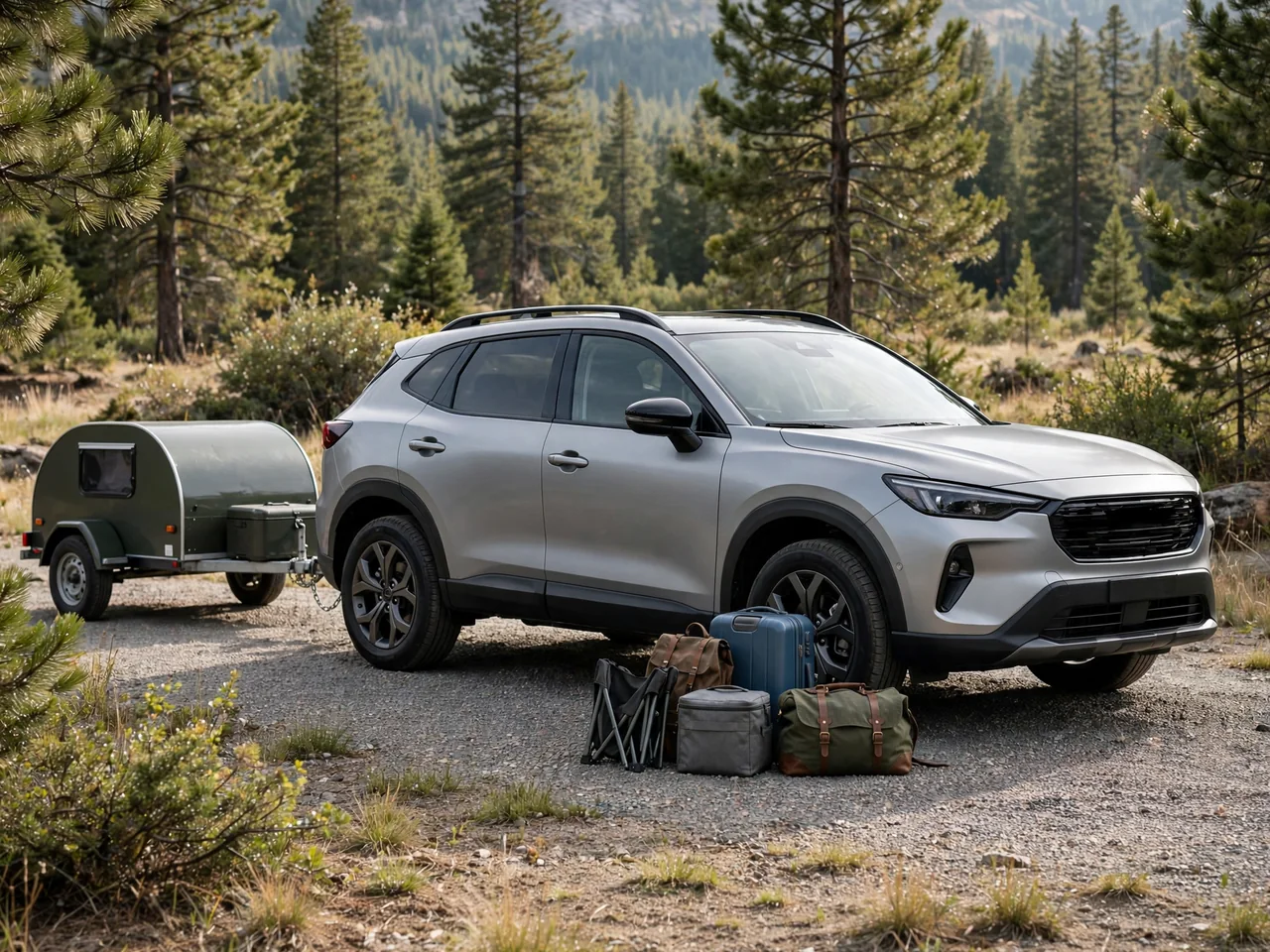
The best car for towing is the wagon, crossover, or car whose approved ratings, cooling, hitch, and brakes match the trailer, passengers, cargo, and routes you actually use. Advertised towing capacity is not a ranking. Loaded trailer weight, payload capacity, wheelbase, and family use decide whether a small car or a second-hand example is a suitable towing car.
Define the Towing Job Before Choosing a Car
The best car for towing a trailer has to fit the actual trailer, the people and cargo on board, the route, and how often you tow. Weekend grades in heat ask more of cooling and brakes than a short, level trip to a storage lot. Keep the search on cars, wagons, and crossovers with manufacturer-approved towing capability for the configuration you will buy. Without that approval, the vehicle is not a candidate, regardless of engine size.
Build the shortlist from the exact model year, engine, drivetrain, and required towing equipment; a model name alone does not establish capability. Wheelbase, how the car is loaded, and trailer length or height influence tracking and crosswind behavior, yet no single feature proves stability. Matching those traits to the trailer you pull is more useful than treating any nameplate as the best towing car. Frequency of use belongs in that match, because occasional light towing and regular heavy trips are different jobs.
Check Trailer Weight, Payload and Every Applicable Rating
Empty advertised trailer weight cannot show whether the car with the best towing capacity on paper can pull your rig. Use ready-to-travel loaded trailer weight, including supplies and equipment. That figure must remain under the vehicle's trailer-weight limit, and the combination must stay under the gross combined weight rating. Gross vehicle weight rating and axle weight ratings still apply to the tow vehicle. The hitch receiver rating is another ceiling, and the lowest applicable limit governs.
Occupants, luggage, hitch hardware, and tongue weight all consume payload capacity. If a crossover lists 1,100 pounds of payload and four occupants plus cargo total 700 pounds, only 400 pounds remain for tongue weight and hitch parts; a heavier tongue load overloads the car even when trailer weight looks fine. Confirm every rating in the owner's manual, vehicle labels, and towing documents for that configuration, including trailer frontal-area limits. Aftermarket equipment does not raise manufacturer ratings, and uncertain loads should be weighed.
Choose a Car for a Loaded Camper or Travel Trailer
Buyers asking about caravan towing in this United States context usually mean a camper or travel trailer, not a motorhome. Camping supplies, propane, batteries, and carried water add trailer mass and tongue load, and that tongue load still uses payload in the tow vehicle. The best car for towing a camper is the configuration whose ratings cover that stocked weight. A wagon that looks adequate empty can run out of payload once the camper is packed.
Camper height and frontal area raise cooling demand and catch more wind on grades, so manufacturer size restrictions matter alongside pounds. Open highway exposure can load the combination even when scale weight looks acceptable, and those restrictions still apply. Confirm approved hitch arrangements, trailer-brake requirements, and brake-controller support before you buy. Electrical and braking hardware in a factory tow package is part of fitness for a travel trailer, not an accessory to assume later.
Account for the Whole Boat Rig and Launch Conditions
A car for towing a boat has to cover the hull, trailer, motor, fuel, batteries, and boating gear, not a dry listing. Towing a boat with a car is only appropriate when that combined load stays inside trailer, hitch, axle, and gross combined limits. Fuel and wet gear shift trailer weight and tongue weight, which still consume payload. Highway ratings for a car towing a boat still depend on the exact engine and drivetrain.
Even a strong boat-towing car on the highway may be a poor match at the ramp. Slope, surface condition, boat ramp traction, and manufacturer launching guidance all matter. A given drivetrain, including all-wheel drive, can help on a slick ramp, but it does not increase approved towing capacity. Check trailer-brake condition, lighting, and water-related corrosion on the trailer and hitch hardware. Uncertain condition belongs with a professional assessment, not an assumption that the rig is ready.
Confirm Suitability for Utility Trailers and Car Haulers
The best vehicle for towing a car trailer is not simply a passenger car with a large advertised number. The tow vehicle's approved trailer limit is separate from the trailer's own gross weight and cargo ratings, and both must be respected. For a car hauler, loaded weight includes the transported vehicle, the trailer, securing equipment, and other cargo on the deck. A car, wagon, or crossover may lack trailer-weight, payload, axle, or hitch ratings for that load, so check suitability before shortlisting.
Utility trailers follow the same arithmetic: deck cargo plus trailer mass must stay inside every limit, and tongue weight still reduces payload. When the intended car-hauling or utility setup is uncertain, get professional guidance on load distribution, approved hitch equipment, and whether trailer brakes and a brake controller are required. A receiver added later does not expand factory ratings. An otherwise practical family car can still be the wrong towing car once a second vehicle sits on a trailer behind it.
Check Family Payload and Small-Car Towing Approval
Family trips change the payload picture even when a wagon looks like the best family car for towing on a spec sheet. Child seats, occupants, luggage, and trailer tongue load share one payload capacity, so a full cabin can erase margin that looked generous. Cabin space and everyday cargo room matter on real trips, but they do not replace towing approval or loaded ratings. Work the remaining capacity with the family aboard rather than treating the trailer-weight number as fully available.
A search for the best small car towing capacity still requires explicit approval for that engine, drivetrain, and market. Horsepower or a visible hitch does not create a rating. Some small-car configurations have no approved towing capability, and those vehicles are not candidates no matter how light the trailer looks. When approval exists, keep the trailer inside every documented limit, including tongue weight and frontal-area notes, because a small towing car has less payload left after people and luggage.
Inspect a Used Tow Car's Equipment and Condition
A used wagon can be a practical towing car if the factory tow package and its cooling, electrical, and braking provisions can still be verified. Look for documented transmission cooling, trailer-light circuits, and brake-controller wiring rather than a hitch added later. Engine output helps on grades, but sustained towing also depends on transmission suitability and heat rejection; horsepower alone does not establish fitness. Service records and prior towing history are useful context for a second hand towing car, yet neither proves the cooling system, gearbox, or hitch is sound now.
Note warning lights, visible leaks, damaged hitch hardware, and corrosion around the receiver, then send concerning findings to a professional rather than diagnosing them roadside. A prepurchase inspection should cover brakes, tires, suspension, cooling, transmission condition, and the towing equipment. Avoid homemade load tests or any check that risks overheating or loss of control. A used wagon or crossover with intact factory equipment and confirmed ratings is a more realistic choice than a cheaper car missing cooling or controller support.