Choose John Deere J20D transmission oil

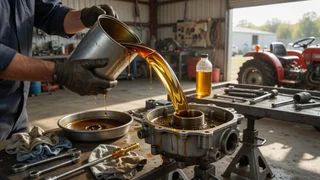
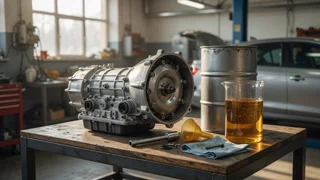
Choosing a transmission oil can feel like a small decision with large consequences, especially when a machine lists a specific factory fluid such as John Deere J20D. The right product supports smooth hydraulic clutch engagement, stable wet brake behavior, and long gear and bearing life. J20D is a performance specification, not merely a viscosity grade. Before purchasing, owners should confirm whether their equipment calls for J20D, an earlier J20C fluid, or a low-viscosity alternative. Matching the oil to the stated requirement, operating climate, and expected service conditions helps prevent shift quality problems and unnecessary component wear.
Essential answer
John Deere J20D identifies a factory lubricant specification for transmissions, final drives, and hydraulic systems used in certain agricultural and compact construction equipment. Fluids meeting J20D are formulated to handle wet clutches and brakes without causing chatter or excessive slippage while still protecting gears from scuffing. The designation is about approved performance rather than a single base oil or viscosity. An owner asking for this fluid is usually looking for a product that carries the specification on the label or in the manufacturer's documentation, so the essential answer is to verify the machine’s requirement first and then choose a fluid explicitly claiming J20D compliance.
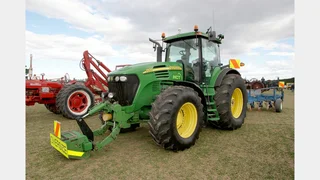
Because equipment identification can change the answer, a loader or tractor model calling for J20D should not automatically receive a generic universal tractor fluid. Some universal products cite J20C or older specifications, which may not deliver the same friction modification and oxidation stability expected from J20D. The lubricant specification matters most when the transmission shares oil with hydraulic functions, because one fluid must perform as a power transfer medium, a clutch friction fluid, and a gear lubricant. Confirming manufacturer approval and the stated fill quantity before changing the oil gives the direct answer while avoiding a substitution that could produce sluggish shifts or elevated operating temperatures.
Relevant alternatives
When the options include a genuine John Deere fluid and an aftermarket J20D-rated alternative, the comparison should focus on documented specification compliance, not color or brand familiarity alone. Equipment operated under heavy draft loads, frequent direction changes, or long hydraulic cycles typically benefits from a fluid with strong shear stability, which helps the oil maintain viscosity and clutch behavior as it ages. A lower-cost universal product may be acceptable for older machines with lower hydraulic pressures, but it should still name J20D rather than implying compatibility through a broad list of unrelated approvals.
Service interval and level check habits also influence which option is preferable. If a machine has long drain intervals, choosing a fluid with strong thermal stability can reduce deposit formation and keep wet brakes predictable between changes. In colder regions, attention shifts to low-temperature flow, making sure the product can circulate quickly during startup while still meeting the J20D friction requirements. The right alternative balances the equipment’s required approval with realistic operating conditions, so the selection is guided by the machine specification and the owner’s duty cycle rather than by price alone.