Choose a car paint chip repair system
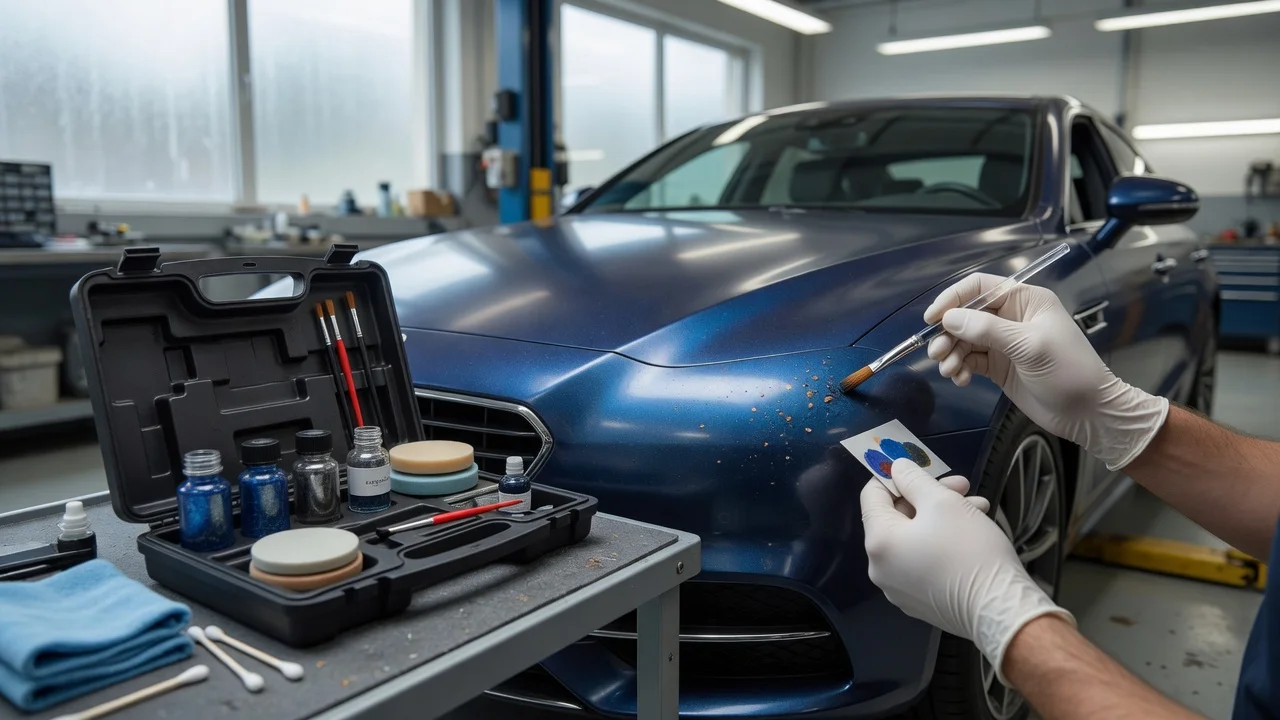
The best car paint chip repair system is one whose documented paint compatibility, repair limits and application requirements fit your car and its damage. No product specifications or comparative test results were supplied, so there is no supported basis for naming a winning brand. Before buying, confirm the paint identification, check that the kit covers the damage you want to repair, and establish what else the job requires.
Confirm paint compatibility
Find the vehicle’s paint code—the identifier for its original paint specification—and check it against the supplier’s ordering information. Give the supplier the model year and market if requested, and resolve any conflicting paint listings before ordering. If the affected panel has been repainted, disclose that rather than assuming the original code identifies its current finish.
Ask whether the system supports your particular finish, including metallic, pearl or matte paint where applicable. Check whether it requires a separate colour layer, clear coat or other component. Treat a compatibility listing and a promise of an invisible repair as separate claims: the supplied information establishes neither a specific product’s compatibility nor its finished appearance.
Check whether the damage fits the system
Compare the damage with the manufacturer’s stated repair limits. Check whether those instructions cover isolated chips, clusters of chips, scratches or exposed material beneath the paint. Do not assume that a product advertised for chips also covers peeling paint, corrosion or larger damaged areas. If the damage falls outside the documented scope, get a body repair assessment before committing to a kit.
Read the complete application process before buying
Check the preparation steps, application method, required working conditions and waiting periods in the product instructions. Establish whether the process includes sanding, polishing or a separate clear coat, and whether you have the equipment and confidence to complete those steps. Choose a system whose full process you can follow, including the specified time before washing or exposing the repair to normal use.
Look for clear instructions on correcting an application mistake and testing the product before treating a visible area. Verify that any cleaner, solvent or finishing product you plan to use is permitted by the system’s instructions. Missing or vague application guidance is a reason to seek clarification before purchasing.
Compare the complete purchase cost
Compare what each package includes: the specified paint, applicators, preparation materials, finishing components and any required extras. Include delivery and applicable taxes when comparing checkout totals. No market, date, currency or prices were supplied, so a reliable price range or value ranking cannot be given.
Before paying, check the supplier’s policy for an incorrect colour order or an unsatisfactory match, including any restrictions on custom-mixed paint. For a shortlist, favour products with confirmed compatibility, explicit repair limits, complete instructions and a clear total cost. If your priority is an inconspicuous finish on a prominent panel, obtain a professional assessment and quote as a reference before deciding whether a DIY system meets your expectations.