Choose brake fluid for a 2015 Kia Sorento
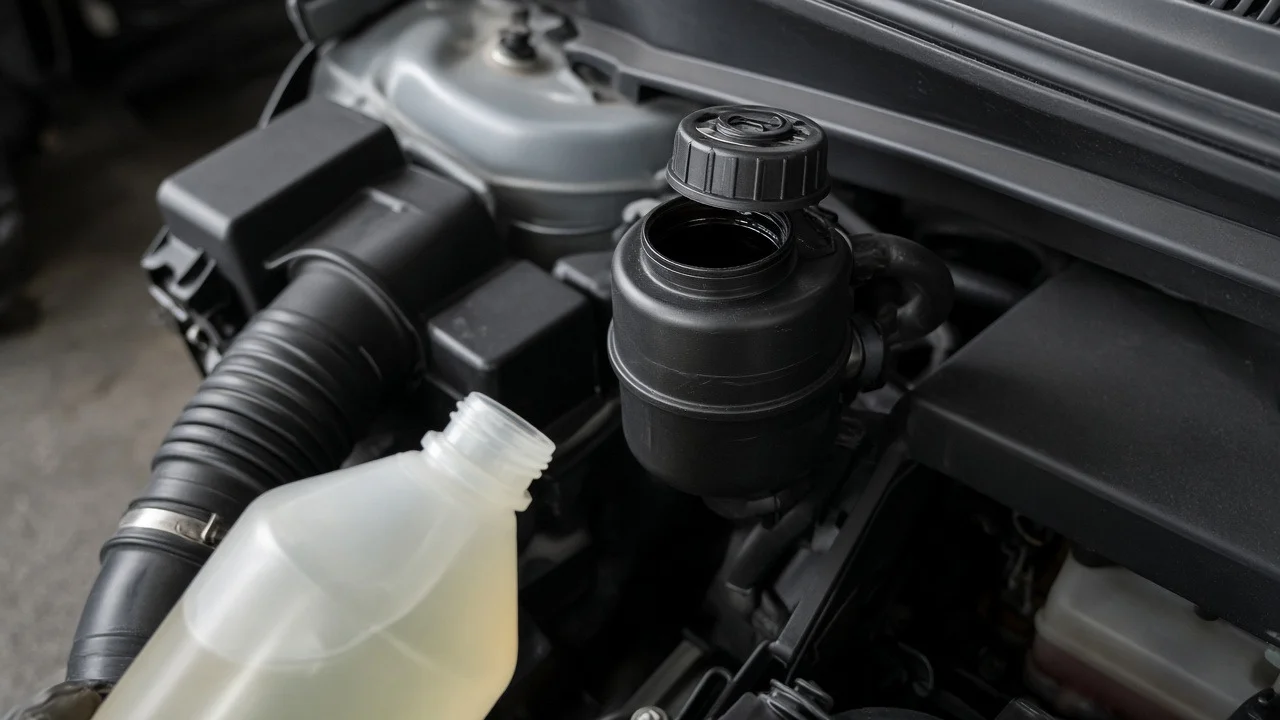
Choosing the correct brake fluid for a 2015 Kia Sorento matters because the hydraulic circuit that presses the pads against the rotors depends on fluid that resists heat, absorbs moisture slowly, and remains compatible with the seals inside each caliper. The reservoir cap and owner’s manual are the starting points for the required DOT grade, but condition and driving environment affect how often the fluid should be replaced. A thoughtful selection supports consistent pedal feel and protects brake pads, rotors, and internal hardware from corrosion or vapor lock.
Essential answer
For most owners, the essential answer is to use the DOT grade shown on the reservoir cap or in the vehicle documentation, commonly DOT 3 or DOT 4 unless a specific trim or market note states otherwise. Both are glycol-based fluids that work with the Sorento’s hydraulic braking system, but DOT 4 generally has a higher minimum boiling point and can be a practical upgrade when fresh. The fluid must meet the vehicle’s base compatibility rather than simply having the highest number on the shelf.
The larger issue is not just the label on the bottle but the condition of the fluid already in the system. Brake fluid absorbs water over time, which lowers its boiling point and can lead to a soft pedal during repeated stops. Before adding or choosing a replacement, inspect the color and clarity. Dark or cloudy fluid usually means it has aged enough to warrant a complete flush, not simply topping off the master cylinder reservoir.
Relevant alternatives
When weighing DOT 3 against DOT 4, consider how the Sorento is driven. A vehicle used for routine commuting with light brake loads can operate safely with either fluid that matches the cap. For loaded driving, mountain descents, or towing, DOT 4’s higher wet and dry boiling points provide more margin before heat produces vapor bubbles in the calipers. The tradeoff is not complexity of use; both are handled the same way, but DOT 4 may need more frequent replacement because it can absorb moisture a little more readily.
A silicone-based DOT 5 fluid is not a direct alternative for this application. DOT 5 does not mix with conventional glycol fluid and can cause seal or performance problems in a system designed around DOT 3 or DOT 4. A bottle labeled DOT 5.1 is different from DOT 5 and is glycol-based, but the best choice still follows the vehicle manufacturer’s stated grade. The practical priority is fresh, correctly rated fluid rather than chasing a specification the vehicle was never intended to use.