Choose brake fluid for a 2009 Hyundai Sonata
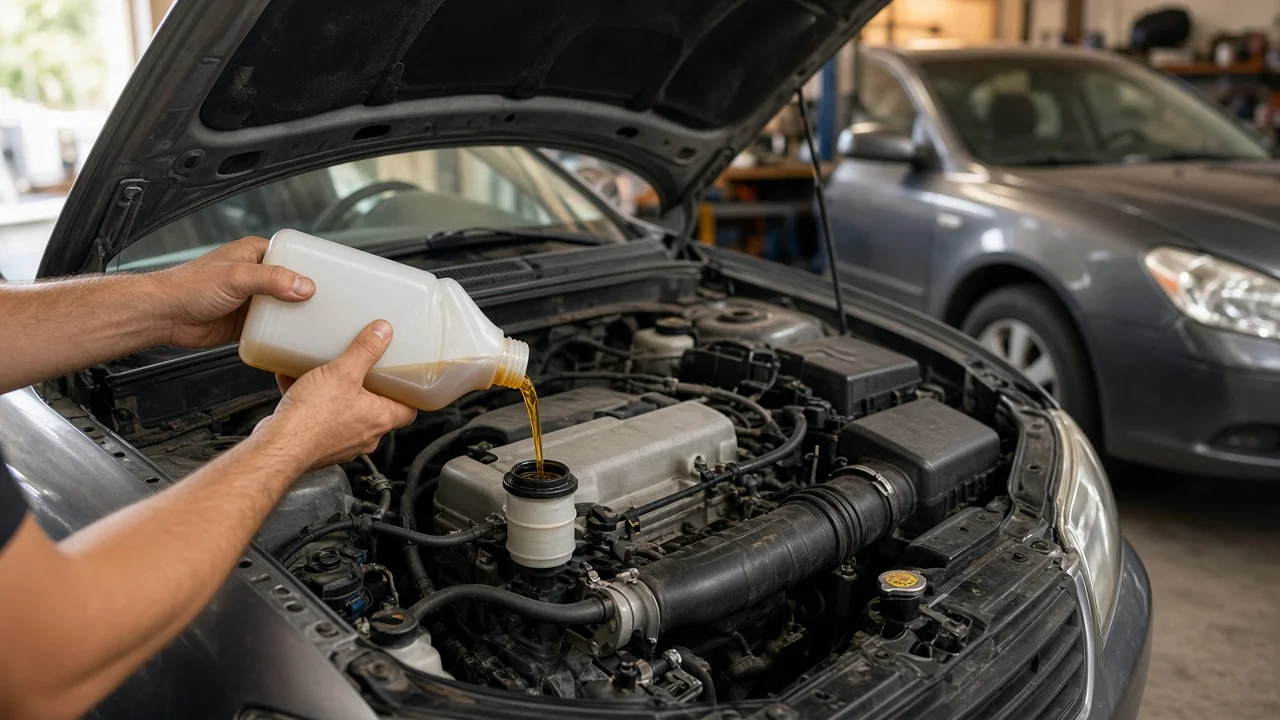
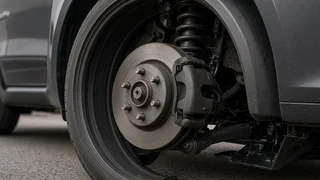
Choosing brake fluid for a 2009 Hyundai Sonata is a practical decision that directly affects pedal feel, hydraulic response, and the long-term condition of calipers and brake lines. The fluid transmits force from the master cylinder to the brake pads and brake rotors, so its boiling resistance, moisture behavior, and compatibility with the vehicle's seals matter more than brand names. Owners often ask about one 2009 Hyundai Sonata brake fluid type while overlooking that condition and service history shape whether a top-off or full exchange is the right next step.
Essential answer
A 2009 Hyundai Sonata should use a brake fluid that meets the DOT specification called for on the reservoir cap or in the owner's manual. For most examples, a DOT 3 or DOT 4 fluid is appropriate because both are glycol-based and work with the seals and hydraulic hardware used in this era. The essential choice is not a single brand; it is a clean, sealed container of the correct specification, since opened fluid absorbs moisture and loses effective boiling resistance over time.
The specification matters because DOT 3 and DOT 4 differ mainly in dry and wet boiling points. DOT 4 generally tolerates more heat before vapor forms, which helps during repeated hard stops when brake rotors and calipers transfer significant temperature into the fluid. However, the Sonata's normal street driving rarely demands the higher threshold if the system is in good condition. Matching the cap label avoids mixing fluids that could affect seal behavior or long-term hydraulic performance.
Relevant alternatives
DOT 3 and DOT 4 are the relevant alternatives for this vehicle, and the better choice depends on how the car is driven. DOT 3 is usually sufficient for routine commuting, gentle braking, and original equipment expectations. DOT 4 offers additional headroom when driving includes long descents, heavy loads, or frequent braking that pushes more heat into the friction material and surrounding hardware. Brake fluid does not improve stopping distance on its own, but its resistance to boiling helps preserve a firm pedal under stress.
Fluid condition and vehicle fitment should guide the decision more than marketing claims. A system that has absorbed moisture may feel soft long before the fluid darkens, while a recently serviced system may simply need the same specification added. If the reservoir is low, the cause should be understood rather than hidden with fluid. Worn brake pads can lower the level naturally as caliper pistons extend, but a dropping level can also point to a leak that no fluid choice will correct.