Chevy Volt EGR Valve Replacement: Symptoms and Diagnosis
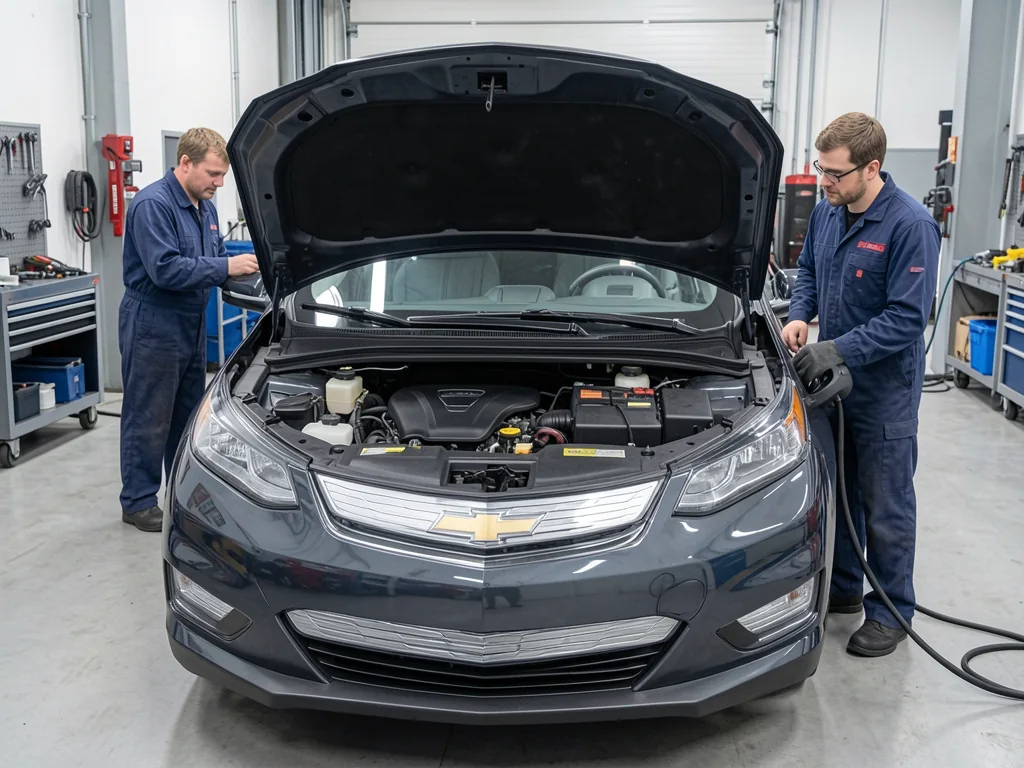
Faults in the exhaust gas recirculation system can upset the gasoline range-extender engine in a Chevy Volt. A failing EGR valve may trigger a check engine light, rough idle, or reduced fuel economy. Understanding the valve’s role, recognizing relevant symptoms, and following a diagnostic path helps owners decide when a Chevy Volt EGR valve replacement is actually necessary. Model-year differences—especially for the 2018 Chevy Volt EGR valve—make VIN-based confirmation essential before ordering parts or scheduling work.
How the EGR Valve Fits Into the Volt’s Range-Extender Engine
The EGR valve meters a controlled amount of exhaust gas back into the intake manifold. This lowers peak combustion temperatures and reduces nitrogen oxide formation. On the Volt, the valve operates only while the gasoline engine runs as a generator or direct drive source. The system’s performance has no effect during pure electric propulsion, so EGR symptoms should be evaluated only when the range extender is active.
Before applying any component or service information, confirm the specific Volt model year and engine configuration. The first-generation Volt used a 1.4-liter engine, while later models received a 1.5-liter unit with different control strategies. The 2018 Chevy Volt EGR valve is not interchangeable with earlier designs simply because the part looks similar. Vehicle-specific service data and VIN filtering are required before replacement.
Symptoms That Warrant an EGR System Check
A failing EGR valve can cause the check engine light to illuminate, but the symptoms vary. The engine may idle roughly, hesitate under load, or exhibit mild power loss while the range extender runs. Because these symptoms overlap with other fuel or ignition issues, they are not proof of valve failure. Note exactly when the problem occurs: during engine warm-up, steady highway driving, or after extended electric-only operation.
Record any dashboard messages and the conditions present when they appear. If a scan tool is available, read the diagnostic trouble codes but do not clear them; the stored freeze-frame data helps a technician recreate the fault. Severe rough running that threatens safe vehicle control, active overheating warnings, or a displayed instruction to stop require pulling over safely and arranging assistance rather than continuing to drive.
What Diagnosis Should Confirm Before Replacement
An EGR-related diagnostic trouble code only identifies a system that is not meeting its expected performance. The cause may be insufficient flow from carbon blockage, a stuck valve mechanism, a broken wire, or a failed position sensor. Because the same code can have manufacturer-dependent meaning, the exact Volt model year must be used to look up the correct diagnostic procedure. Replacing the valve without confirming the circuit and passages is premature.
A professional diagnosis typically includes commanding the valve to open and close while monitoring its feedback signal. The technician may check the wiring harness and connector for corrosion or open circuits and inspect the gas passages for restriction. For owner-performed visual checks, park the vehicle on level ground, shut off the engine, and wait until components are cool. Do not touch hot surfaces or open hybrid electrical enclosures.
2018 Chevy Volt EGR Valve Identification and Repair Planning
For the 2018 Chevy Volt EGR valve, begin with the VIN to identify the correct replacement. Online listings may show a part that appears identical but is calibrated for a different engine generation or emissions package. The VIN allows the parts system to filter by build date, emissions certification, and software level. Even if the connector fits, the internal flow characteristics or sensor output may not match what the engine controller expects.
Ask the repair provider to confirm whether the valve has been superseded by a revised part and whether new seals or gaskets are required. Vehicle-specific procedures found in the service information may include torque specifications, electrical connector handling, and relearn routines. Do not assume a particular failure rate or warranty status applies to your vehicle; these details must be checked for the individual VIN at the time of service.
What a Chevy Volt EGR Valve Replacement Involves
Professional replacement starts with the confirmed diagnosis and follows the published service procedure. The technician disconnects the battery according to hybrid safety guidelines, removes components needed for access, and unbolts the valve without damaging the mounting flange. The new valve and seals are installed, the electrical connector is secured, and the area is inspected for leaks or loose fasteners before the engine is restarted.
Because the EGR valve is mounted near the exhaust, heat exposure can make fasteners difficult to remove and increases the risk of burns during service. Hybrid vehicle precautions are also relevant: the high-voltage system must be handled only by qualified personnel. A written estimate should separate diagnostic labor, the verified valve, seals or other materials, installation labor, and final testing. Require an explanation of any additional repairs with supporting test findings.
Checks That Confirm the Repair Addressed the Problem
A cleared warning light does not confirm that the repair corrected the underlying issue. The technician should verify EGR operation with a scan tool while the engine runs, commanding the valve through its range and watching the position feedback. Road testing under conditions that activate the range extender allows observation of fuel trims, idle quality, and the absence of pending codes. This verification goes beyond simply erasing the stored fault.
Retain the original diagnostic trouble codes, the technician’s findings, the installed part number, and the warranty terms for the replacement. If a warning light returns or drivability symptoms reappear, report the exact conditions and any new codes rather than assuming the valve has failed again. Further testing should precede another parts replacement; a recurring symptom may point to another component in the EGR system or engine management.