Chevy Volt dashboard
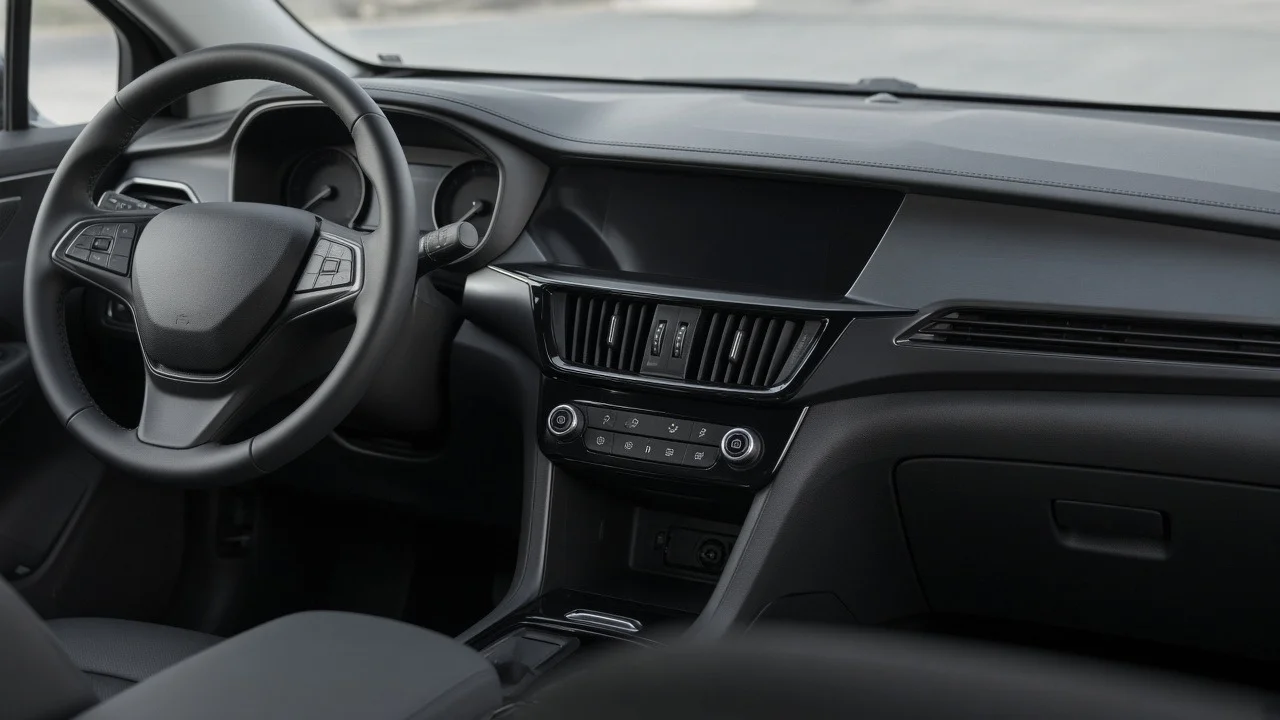
The Chevy Volt dashboard is the driver’s primary information panel, combining an electronic instrument cluster with a central touchscreen display. It presents vehicle speed, battery charge, fuel level, and efficiency data alongside warning indicators. Understanding its layout helps owners interpret operating status and display messages. While the Volt has been discontinued, its dashboard remains a study in hybrid information design, blending conventional gauges with electrified-vehicle feedback to support efficient driving and timely diagnostic checks.
Essential answer
The Chevy Volt dashboard refers to the instrument cluster and center stack displays that communicate vehicle systems and driving data to the operator. Unlike a traditional gasoline car with a simple speedometer and tachometer, the Volt uses configurable screens to show electric range, total range, energy flow, and charging status. The cluster changes under different drive modes, and the owner manual explains how to navigate menus, read warning indicators, and interpret the value shown for remaining charge or fuel. It is a functional overview, not one single gauge.
When the vehicle starts, the dashboard performs a diagnostic check and shows key readiness information. A warning indicator may illuminate to report tire pressure, brake, propulsion, or charging system status, but a fault code alone is not proof that a part has failed. Manufacturer-dependent codes and messages require vehicle-specific confirmation. The direct answer is that the dashboard is the primary status display for the electrified powertrain, and its data must be read in context with driving conditions and the owner manual.