Chevy Volt Battery Replacement: Cost Factors, Lifespan and Warranty
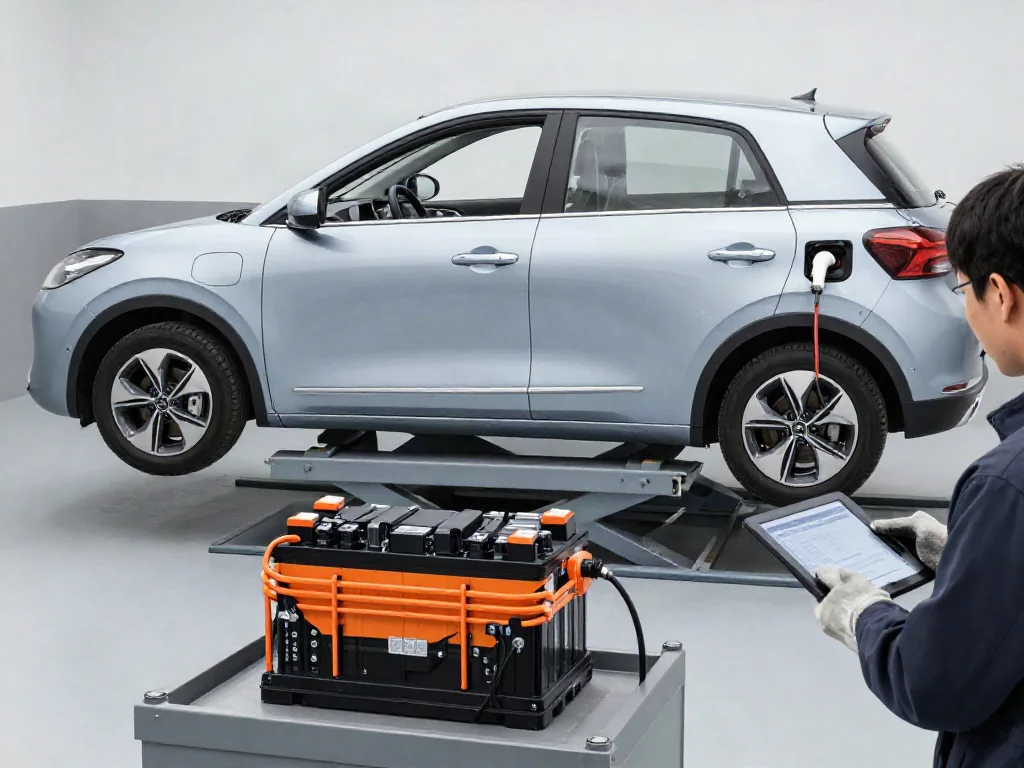
The Chevrolet Volt’s hybrid battery degrades gradually over time, reducing electric range and changing how the car behaves. A replacement can cost thousands of dollars, but the exact amount depends on the option chosen, warranty coverage, and who does the work. Before spending money, owners should understand how the pack ages, what symptoms are normal, and what a repair actually involves.
How the Chevy Volt High-Voltage Battery Ages Over Time
The Volt uses a lithium-ion pack that loses usable capacity slowly rather than failing suddenly in most cases. This appears as shorter electric-only range, so the gasoline engine may start a few miles sooner than it did when the car was new. Because the battery management system keeps a buffer of unused capacity, early degradation often hides from the driver until enough total capacity is gone.
Heat, age, charging habits, and total miles all influence how quickly the pack degrades. The Volt's liquid thermal management helps, but hot climates and frequent fast charging can still accelerate the loss. Unlike a pure electric car, the Volt's range extender keeps the vehicle drivable as the battery fades, which makes replacement less urgent and often a financial decision rather than a roadside emergency.
Warning Signs That a Volt Battery Pack Needs Professional Evaluation
Owners might notice a steady drop in all-electric range over several months, the engine turning on more often even with a full charge, or a 'Propulsion Power Reduced' message. A check engine light or high-voltage system warning can also appear. These signs do not automatically mean the pack has failed, but they justify a professional evaluation with proper diagnostic tools.
Cold weather, heavy use of climate control, low tire pressure, and aggressive driving can all cut electric range on a healthy battery. A shorter range in winter is not a defect. Stored fault codes often vary by model year and manufacturer, so a code alone is not proof of a bad battery. Writing down the charge level, outside temperature, and mileage when symptoms occur helps a technician diagnose the issue accurately.
Chevy Volt Hybrid Battery Replacement Options Explained
The main replacement paths are a new pack from a Chevrolet dealer, a remanufactured or refurbished pack, repair of individual modules, or a used pack from a salvage vehicle. First-generation Volts (2011–2015) and second-generation models (2016–2019) use different packs, so any replacement must be confirmed as compatible with the specific car's VIN.
Each option has trade-offs. A new pack usually has the longest expected life and a full warranty but costs the most. A remanufactured pack is cheaper and may carry a shorter warranty, though its internal cell history is less certain. Module-level repair can fix a weak section but will not restore lost capacity elsewhere in the pack, so the remaining electric range may still be reduced.
What Drives the Cost of Replacing a Volt Battery
Total replacement cost includes the battery pack or modules, labor, diagnostic fees, coolant service, and any software programming or calibration required. Prices vary widely depending on whether the pack is new or remanufactured, the model year, parts availability, and whether the work is done at a dealer or an independent EV specialist.
Requesting written, itemized quotes from multiple shops is the best way to compare true costs. Ask what warranty comes with the part and the labor, and whether any core charge or refundable deposit applies. Owners should also weigh the repair quote against the vehicle's overall condition, mileage, and remaining value, since spending thousands on an older car may not be economical.
Checking Warranty Coverage Before You Pay for a New Pack
The Volt came with a separate warranty for the battery and high-voltage components. Owners should read the warranty booklet or ask a Chevrolet dealer to verify the exact terms for their model year. Coverage can vary by state because of emissions-related rules, and it depends on the in-service date and mileage rather than the model year alone.
A dealer can run the VIN to check for open coverage, recalls, or service campaigns. The warranty language matters because gradual capacity loss is often treated differently from a sudden defect. A pack that has lost 30 percent of its range may not be covered if the warranty specifies a different threshold, so confirming the wording before paying for repair is critical.
Why Volt Battery Work Belongs With Trained High-Voltage Technicians
The Volt's high-voltage battery operates at dangerous voltage levels. Owners should never open, disconnect, or handle the pack themselves. Even a discharged battery can retain enough energy to cause severe injury or death. Only trained technicians with insulated tools and proper protective equipment should work on the high-voltage system.
A qualified shop typically starts by checking the pack's capacity and cell balance, inspecting the cooling system, and reading stored diagnostic data. This confirms whether the battery is actually at fault, because sensors, charging hardware, or cooling problems can mimic a failing pack. Ask whether the shop has experience with Volt high-voltage systems and the right service equipment before authorizing work.
Habits That Help a Volt Battery Last Longer
Following the owner's manual for charging, parking, and long-term storage is the easiest way to protect the battery. Heat speeds up aging, so parking in shade or a garage helps, especially when the car is plugged in and the thermal management system can cool the pack. Keeping the battery cooling system maintained as specified prevents avoidable stress.
Tracking electric range under similar conditions makes gradual capacity loss easier to spot. Record the range after a full charge on mild days with similar driving style. A slow decline over years is normal, but a sudden drop may indicate a problem worth investigating. These habits do not stop aging, but they help owners understand their battery's health and make informed repair decisions.