Chevy Trailblazer Front Axle Actuator Fitment: 2002–2006
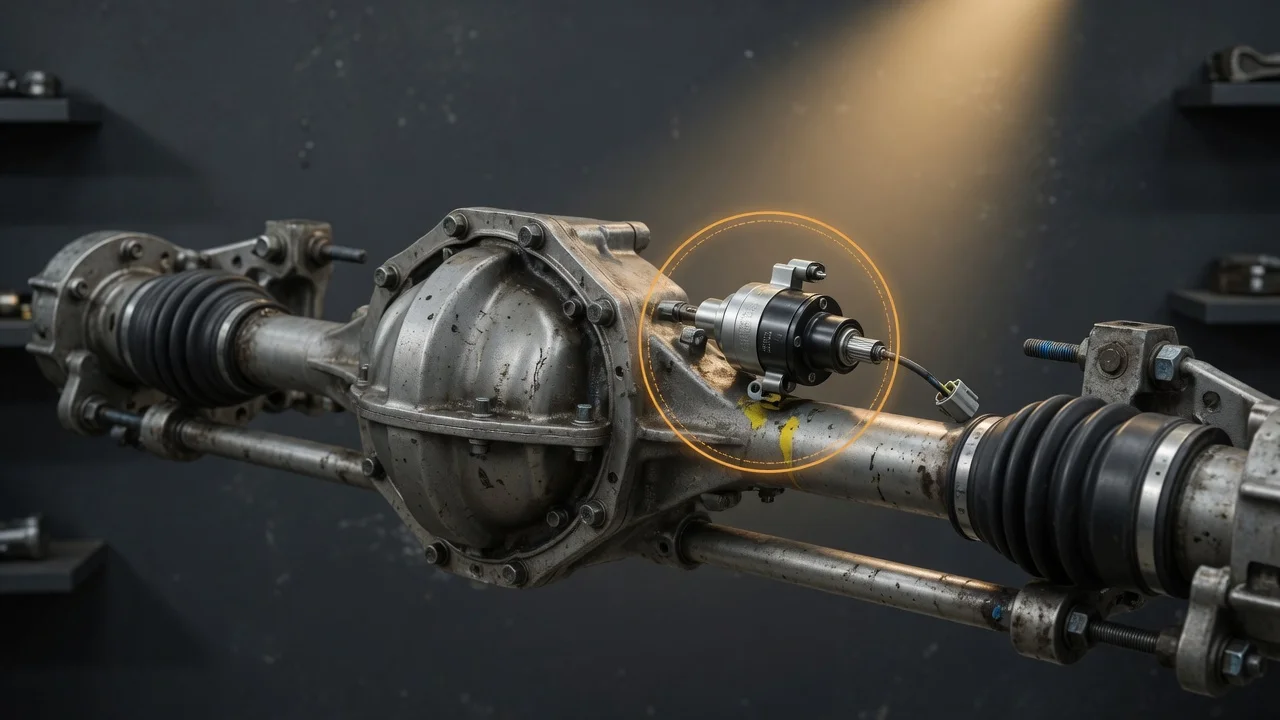
If your Trailblazer shows four-wheel drive engaged but the front wheels never pull, the front axle actuator is a common suspect. Owners shopping for a replacement on a 2002, 2005 or 2006 Chevy Trailblazer usually want to know whether one actuator fits every model year in that range. This guide explains what generally holds true, what can change the answer and how to confirm the right part before you order.
Does one actuator fit every 2002–2006 Trailblazer?
For four-wheel-drive Trailblazers of this generation, parts catalogs often group the 2002 through 2006 model years under the same front axle actuator. Treat that as a starting point, not a guarantee. The actuator exists only on trucks with a driven front axle. A two-wheel-drive Trailblazer has no front differential and no actuator, so there is nothing to replace. On 4WD trucks, production changes, connector differences and the specific drivetrain package can affect which part a supplier assigns. The reliable answer for your truck comes from its exact vehicle configuration, not the model year alone.
The same platform also underpinned the Trailblazer EXT and several related SUVs sold under other GM brands, and listings frequently cross-reference parts between them. A cross-reference is a useful lead, but verify it against your own truck's build information before relying on it.
How the front axle actuator works
The front differential on a 4WD Trailblazer has a disconnect on one side. In two-wheel drive, a shift collar inside the axle assembly stays disengaged. One front axle shaft can then spin independently of the differential, so the differential does not send power to the front wheels and the front driveline is not forced to turn with them. This reduces drag and wear during normal road driving.
When you select a 4WD mode, the transfer case control system powers the electric actuator mounted on the front axle. The actuator's plunger moves the shift collar, which locks the axle shaft to the differential so both front wheels receive torque from the front driveshaft. If engagement does not complete, the dash indicator may flash or a service message may appear. The same symptoms can also come from wiring, the control module or the transfer case, so a warning light alone does not prove the actuator has failed.
What changes the fitment answer
Drivetrain is the first variable. A two-wheel-drive Trailblazer needs no actuator, and a 4WD model with a selectable transfer case uses one. Any other drive arrangement offered in this period should be checked against the parts listing rather than assumed. Some listings also separate front axle parts by engine, body length or production date, because a running change partway through a model year can split fitment. That is why two 2005 Trailblazers can occasionally call for different parts.
Service history matters as well. If the front differential or the complete axle was replaced, especially with a used assembly from another vehicle, the hardware on your truck may no longer match its original build. In that case the part listed for your VIN can differ from the one actually bolted to the axle. Comparing the old actuator with the new one in hand catches this kind of mismatch.
Confirm the right part before ordering
Start with the VIN and the Service Parts Identification label, normally found inside the glovebox. The label lists the regular production option codes that describe how the truck was built, including drivetrain and axle equipment. Give the VIN and those codes to the parts counter or enter them in a catalog that supports VIN lookup. This is more dependable than searching by model year alone.
Next, compare the old actuator with the replacement. Check the body shape, the mounting points, the connector shape and pin count, and any part number stamped or printed on the housing. If the new unit differs in any of these, stop and recheck the listing before installing it. A connector that almost fits is a sign of the wrong part, not a reason to modify the harness.
Check whether the actuator is really at fault
The actuator sits low on the front axle, where it is exposed to water, road salt and debris. Before buying a part, inspect the connector and harness near the differential for corrosion, broken locking tabs, chafed insulation or loose pins. Check the related fuse listed in the owner's manual. A scan tool that can read transfer case and four-wheel-drive codes is far more useful than a generic engine code reader here, because it can point toward the circuit, the actuator or the control side.
If you replace the actuator yourself, support the truck on proper stands rather than a jack alone, clean the mounting surface and use any new seal supplied with the part. Tighten fasteners to the manufacturer specifications in the service information for your exact truck rather than a generic value. Because the actuator mounts to the axle assembly, check the front differential fluid level afterward as the service information directs. Then test engagement in a safe, low-traction setting such as gravel, never on dry pavement, and confirm the indicator behaves normally.
Limitations and when to get professional help
This guide cannot confirm fitment for an individual truck. Only its VIN, option codes and the physical part settle that. It also does not supply torque values or a replacement interval. The actuator is not a scheduled maintenance item and is normally replaced when diagnosis shows it has failed, not at a set mileage on a maintenance schedule. Operating conditions such as frequent water crossings, salted winter roads or long periods without using 4WD can affect how the actuator and its wiring hold up, but they do not create a fixed lifespan.
Seek a qualified technician if the problem continues after a new actuator is installed, if codes point to the control module or wiring, or if you hear grinding, clunking or ratcheting from the front axle. Those noises can indicate internal damage to the shift collar, fork or differential, which an actuator alone will not fix. A shop with wiring diagrams and a capable scan tool can trace intermittent faults without guesswork.