Chevy Spark EV Battery Replacement: Life, Warranty, and Cost
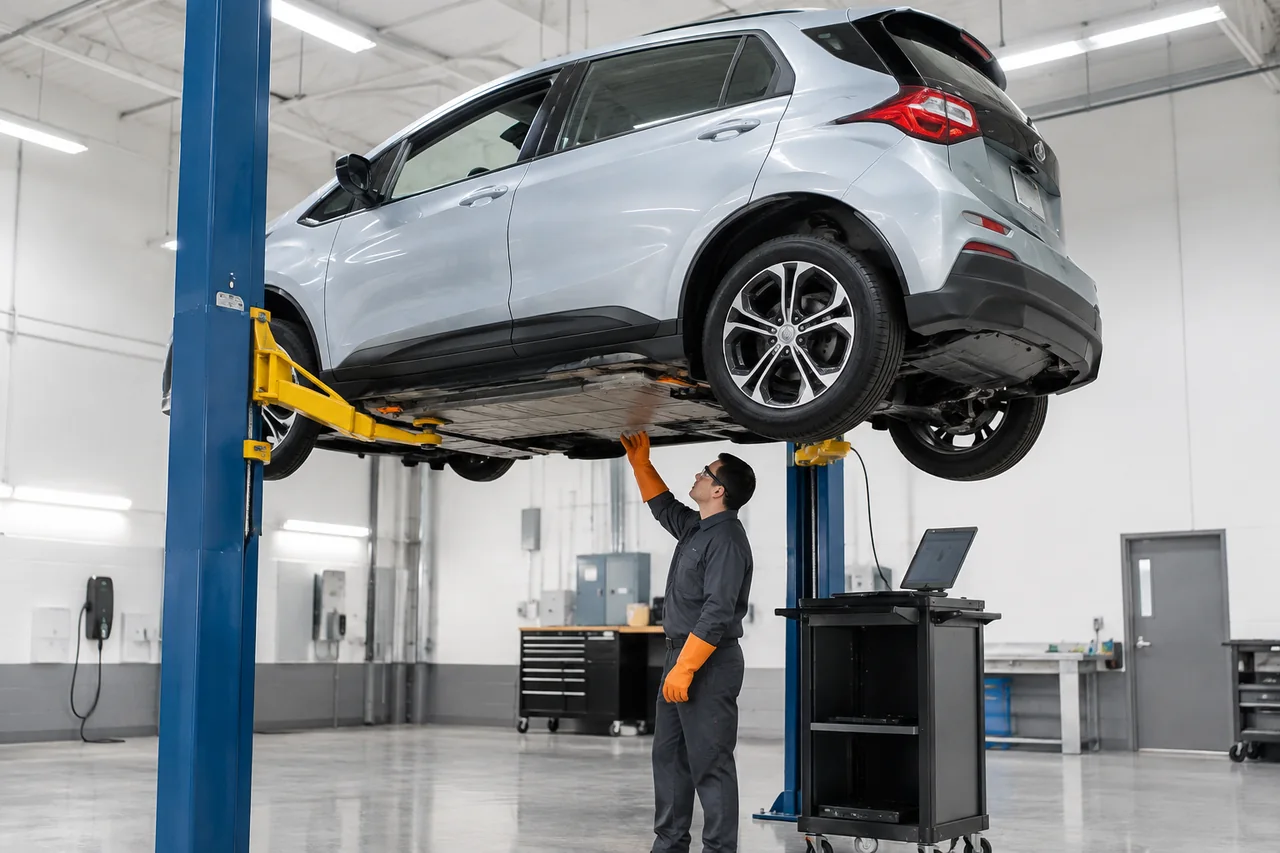
If you own a 2014–2016 Chevrolet Spark EV, questions about the high-voltage battery pack are unavoidable as these discontinued compliance EVs age. Built in limited numbers for a handful of states, the Spark EV combines a compact chassis with a lithium-ion battery sized for city commuting. When range falls or a warning appears, owners must weigh battery life, remaining warranty coverage, and replacement options. This guide explains what to expect from your Spark EV battery, how to judge degradation, and what realistic paths exist before you spend money.
Understanding the Chevy Spark EV Battery Pack by Model Year
The Chevy Spark EV was sold only from 2014 through 2016, primarily in California, Oregon, and a few other zero-emission-vehicle states. As a compliance EV, it was never produced in large volumes, and that limited production now affects parts availability. Battery packs, modules, and even many high-voltage connectors may be on national backorder or available only through specialist remanufacturers. Owners should not assume their local dealer keeps a pack in stock; confirming availability for your exact model year is a necessary first step before any repair plan.
For the 2016 model year, the Spark EV battery size was rated around 19 kWh of usable capacity, though GM documentation may list a slightly higher gross figure. Early 2014 cars used a pack from A123 Systems, while later models switched to an LG Chem pack, and this supplier change matters for both cell behavior and parts compatibility. When new, the Spark EV typically offered about 82 miles of EPA range, but an aged pack will deliver less. Your exact battery configuration can be confirmed by decoding the VIN or checking the service parts label on the pack itself.
How Long a Spark EV Battery Lasts and Signs of Degradation
Lithium-ion battery degradation in a Spark EV is usually gradual. Capacity loss is driven by heat exposure, frequent DC fast charging, extended time at a full state of charge, and simply aging over the years. A pack that has spent its life in a moderate climate and was mostly charged on a Level 2 station at home will typically degrade more slowly than one that was fast-charged in desert heat. Mileage is a factor, but calendar aging often dominates for these short-range urban EVs.
Observable signs of degradation include a shrinking range estimate after a full charge, the guess-o-meter dropping faster per mile than it once did, and charging sessions ending with less energy accepted. However, those dashboard numbers are an estimate based on recent driving, not a direct battery health measurement. To get a useful trend, track range over the same commute in similar temperatures for several weeks. Before concluding the pack is failing, request a professional state of health test at a dealer or an independent EV specialist who has the diagnostic tooling for this platform.
2016 Spark EV Battery Warranty: What Coverage May Remain
The 2016 Spark EV battery warranty is limited by both time and mileage, and GM's exact terms for this model year should be confirmed from the original warranty booklet or a dealer using your VIN. Many owners remember an 8-year term, but mileage limits and coverage of capacity loss versus outright failure are spelled out differently for each state and battery supplier. Do not rely on a single internet figure; a five-minute call to a Chevrolet dealer with the VIN will give you the authoritative coverage status.
Certain states that follow California emissions rules, sometimes called CARB states, may have extended coverage for traction battery components under the longer emissions warranty. If your car was first sold in one of those states and has remained there, you may have a valid claim that a dealer in a non-CARB state would not automatically recognize. Coverage begins on the original in-service date, not the model year on the title. Warranty claims usually require a documented defect or capacity loss below a stated threshold, confirmed by a dealer test rather than an owner complaint.
Battery Replacement Options for 2015 and 2016 Spark EV Owners
For a 2015 or 2016 Spark EV, battery replacement generally falls into three routes. A new or factory remanufactured pack from a GM dealer offers the strongest warranty and the best guarantee of correct cells and software, but it may be expensive and hard to source. Independent EV shops sometimes offer refurbished packs assembled from tested modules, with a shorter warranty that reflects their condition. A used pack from a salvaged Spark EV can be the lowest-cost option but comes with unknown degradation and no meaningful warranty; the donor vehicle's history is the only clue to its health.
Because the Spark EV is discontinued, always confirm with the dealer or supplier that a pack is actually available and will fit your exact model year before paying a deposit or scheduling labor. The A123-to-LG Chem switch between 2014 and 2015 means packs are not universally interchangeable, and even within the same supplier there may be software differences. Module-level repair is a valid alternative when a single cell group has failed, but it requires a professional diagnosis to identify the faulty module and confirm the rest of the pack is worth saving. Never attempt high-voltage battery removal yourself; the pack voltage is lethal and requires trained technicians, insulated tools, and manufacturer service procedures.
What Drives Chevy Spark EV Battery Replacement Cost
Chevy Spark EV battery replacement cost is driven less by the car's value and more by parts scarcity and labor. A new or GM remanufactured pack carries a premium simply because few exist, and shipping a high-voltage lithium pack is expensive. Independent shops using refurbished modules can sometimes cut the parts cost substantially, but their labor rates and warranty terms vary. Diagnostic fees, coolant for the battery thermal management system, and any necessary control module programming add to the final bill. Get written, itemized estimates from at least two dealers and one independent EV specialist before committing.
Quotes can differ by thousands of dollars for the same repair, so ask exactly what is included. Does the price cover an entire replacement pack, or only replacement of the weak modules? Is the replacement part new, remanufactured, or used, and what warranty does it carry? Does the estimate include the technician time to remove the old pack, transfer mounting hardware, service the cooling circuit, and update the battery controller? With a discontinued compliance EV, a well-supported remanufactured pack from a specialist may offer the best balance of cost and coverage, but only if that shop has access to the correct calibration files.
Before You Replace the Battery: Diagnosis and Next Steps
Before assuming your Spark EV battery needs replacement, rule out simpler causes for range loss or warning lights. A failing 12-volt accessory battery can produce spurious high-voltage warnings and charging faults. A home charger or public charging station that delivers less current than expected will reduce the range shown after an overnight charge. Software issues in the battery controller or the instrument cluster are also known to affect the guess-o-meter. Any diagnostic trouble codes should be read with a GM-compatible scan tool and interpreted using the service information for this specific model year; a generic OBD-II reader will not give you enough detail.
You can prepare for a service visit by recording the exact warning messages, noting the outside temperature and charging method used before each fault, and tracking your observed range on a consistent route. Gather all service records, especially any previous high-voltage battery work or software updates. Ask the dealer to check your VIN for open service campaigns or technical service bulletins related to the battery, charging system, or battery coolant heater. There may be a software update that resolves a range calculation error without replacing any hardware, and that check takes only a few minutes but could save thousands of dollars.