Choosing a Chevy Silverado Shift Interlock Solenoid by Model Year
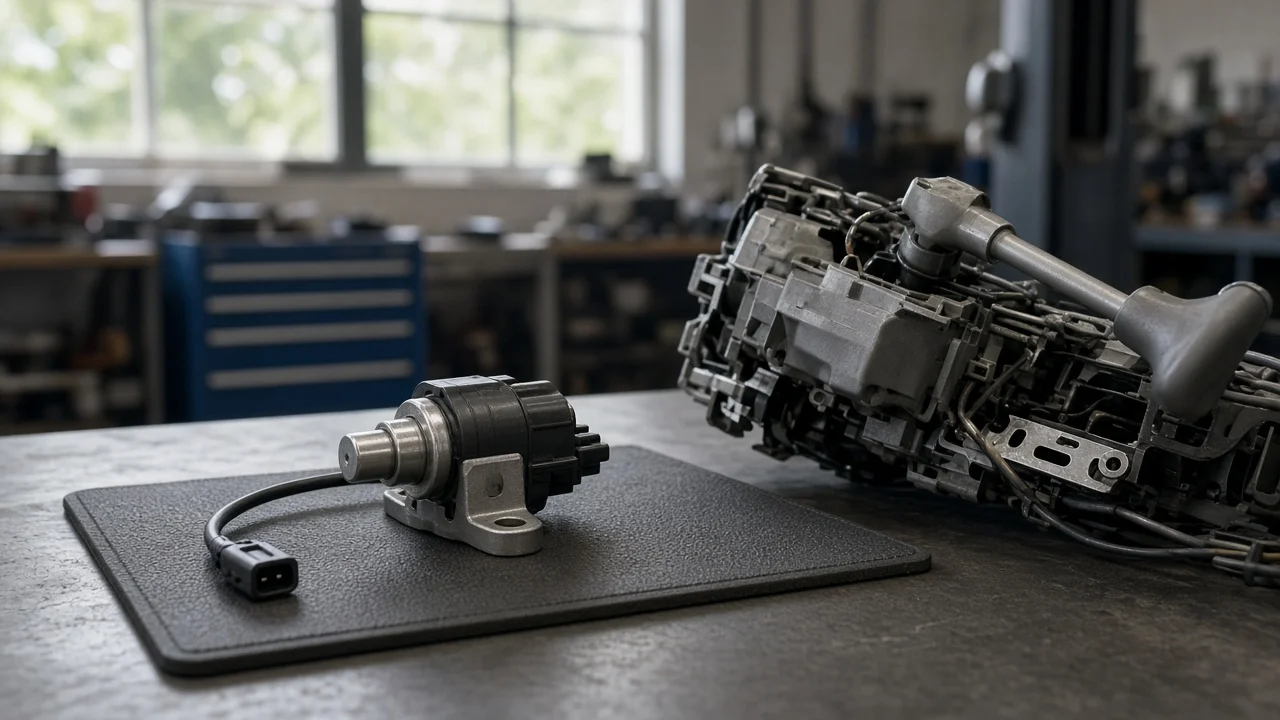
A Silverado shifter that won't leave park, or one that leaves park without the brake pedal pressed, often points owners toward the brake transmission shift interlock solenoid. Before you buy one, two questions matter: does the symptom actually trace to the solenoid, and which version fits your truck? A 2004 or 2005 Silverado and a 2011 Silverado are built on different platforms, so a part that fits one generation should not be assumed to fit the other. This guide covers how to narrow the choice by model year and configuration.
Define the job the product must do
The shift interlock does one job: it keeps the shifter locked in park until the ignition is on and the brake pedal is applied. It does not control shift timing, line pressure or gear engagement inside the transmission. If your complaint is a harsh shift, slipping or delayed engagement while driving, the interlock is not the part to shop for, and changing fluid or chasing the fluid specification will not fix an interlock fault either.
The symptoms that fit an interlock problem are narrow: the shifter is stuck in park with the brake pressed, the lever releases only intermittently, or it moves out of park without any brake input. Each of these can also come from something else. A failed brake light switch, a blown fuse, a damaged connector or a bent linkage can produce the same shift behavior at the lever. A quick first check is whether the brake lights come on when you press the pedal. If they don't, the switch or its circuit is a stronger suspect than the solenoid. Treat any symptom as a lead, not a confirmed failed part, until the circuit has been tested.
Check compatibility
Model year is the first filter. The 2004 and 2005 Silverado belong to the earlier full-size GM truck generation, which also carried into the 2007 Silverado Classic. The 2011 Silverado belongs to the redesigned generation introduced for 2007. Steering columns, shifter assemblies and connectors differ between these generations, so a 2005 interlock and a 2011 interlock should be treated as separate parts unless the seller's fitment data says otherwise. If you own a 2007, confirm whether it is a Classic or the new body style before ordering.
Shifter location matters more than transmission type. Because the interlock sits in the steering column on column-shift trucks, or at the shifter base on trucks with a floor-mounted console shifter, the same model year can use different parts depending on seating and trim. Whether the truck has a light-duty four-speed automatic or a heavy-duty automatic generally matters less here than where the lever is mounted. Trucks with a manual transmission have no brake shift interlock at all, since they use a clutch-based start interlock instead.
Before ordering, note the VIN, cab and trim, whether the shifter is on the column or console, and, if possible, the shape and pin count of the connector on the existing solenoid. Comparing the mounting points and the plunger direction against the replacement's photos catches most fitment errors before the part arrives.
Features that affect the choice
The main trade-off is between a factory-equivalent part and an aftermarket solenoid. A dealer or original-equipment part is the safest fitment match, but on some trucks the interlock is only offered as part of a larger column or shifter assembly, which raises the price. Aftermarket solenoids are usually sold individually and cost less, but quality and fit vary. Look for a listing that names the specific platform and shifter type rather than a broad span of years.
Some replacements include a new connector pigtail, which helps if the original plug is brittle or corroded but requires splicing into the harness. Others are plug-in only. Labels such as heavy-duty, upgraded or OE quality are marketing terms unless the seller backs them with specific fitment data and a clear warranty. Useful evidence includes a part number cross-reference to the original, photos of the connector and mounting tabs, and a stated return policy for incorrect fitment.
Limitations and ownership costs
On column-shift trucks, replacing the interlock usually means removing steering column trim and working near the airbag wiring. Disconnect the battery and follow the service procedure for airbag system precautions before working in the column. On console-shift trucks, the console and shifter trim come off instead. Labor time varies with configuration, so if a shop does the job, get a quote that states whether diagnosis is included.
A new solenoid cannot fix a bad brake light switch, a wiring fault, a worn shift cable or linkage, or an ignition cylinder problem. An interlock fault may not set any stored diagnostic codes, so a scan alone may not confirm the cause. Testing for power and ground at the solenoid connector, with the key on and the brake pressed, gives a more reliable answer. If you reach that point and the circuit checks out but the lever still won't release, the problem may be mechanical rather than electrical. Reviewing the truck's service history for previous column, shifter or brake switch work can shorten the search.
Build a practical shortlist
Narrow your options with a short checklist. Confirm the platform and model year, especially for 2007 trucks. Note whether the shifter is on the column or console. Match the connector style and mounting points to your existing part. Prefer listings that cross-reference an original part number. Decide whether a plug-in part or one with a pigtail suits the condition of your harness. Check the return terms in case fitment is wrong.
Before paying for any part, confirm that the brake lights work, the relevant fuse is intact and the solenoid circuit receives the expected signal. With that done, choosing between the factory and aftermarket options becomes a matter of budget, availability and how much column disassembly you're prepared to do. If the diagnosis remains uncertain, having a shop test the circuit first is usually cheaper than buying the wrong part.