Chevy Silverado EV Range: WT, LT, RST, Extended and Max Range
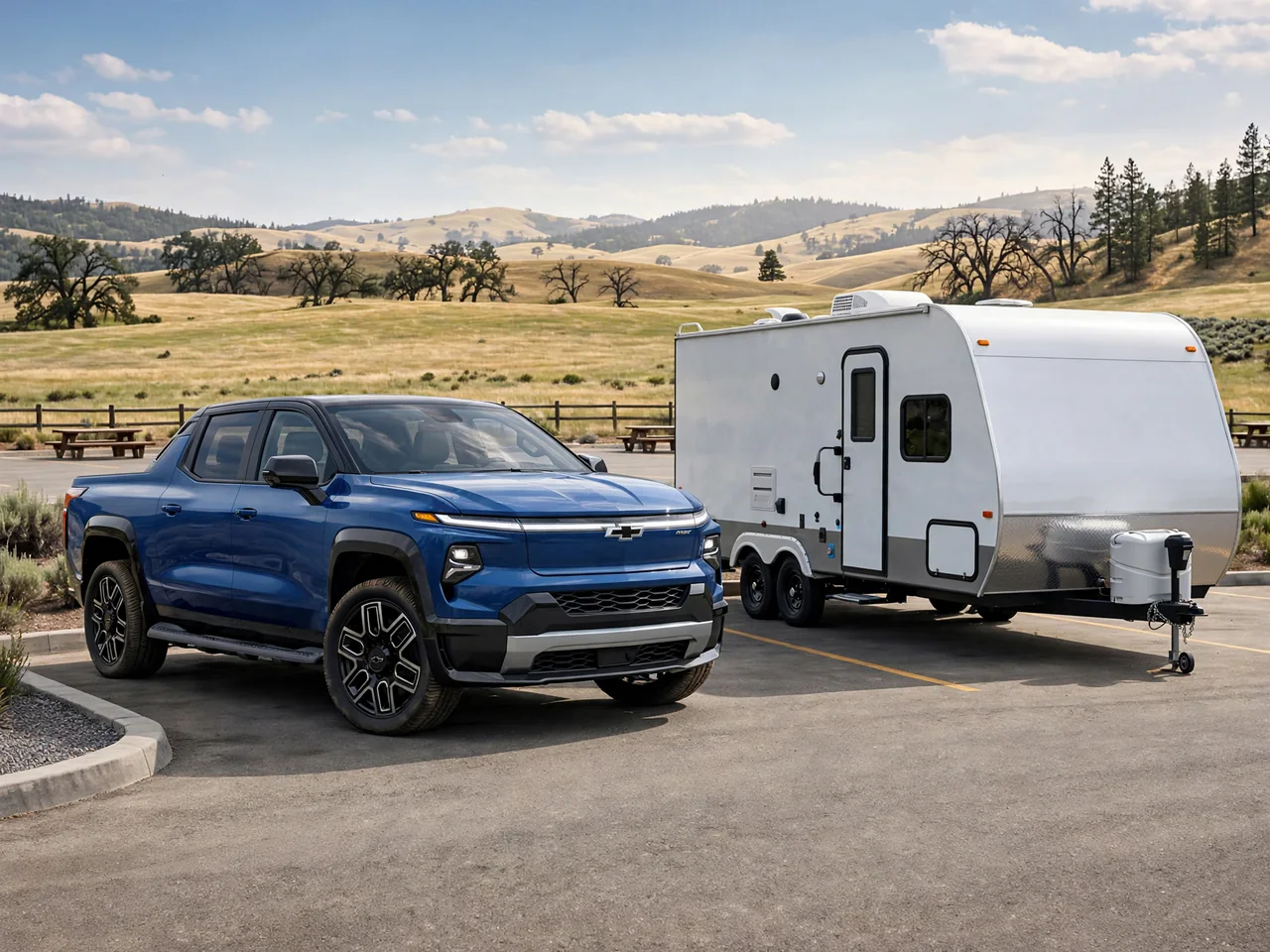
Silverado EV range is not one figure for every Chevrolet. Chevy Silverado EV range depends on model year, trim, battery configuration, and equipment, so Work Truck, LT, and RST trucks can advertise different mileage. Compare EPA-estimated range, manufacturer-estimated range, towing range, and real-world range only with that configuration attached.
Finding the Range Rating for Your Silverado EV
The Chevrolet Silverado EV range printed for a given truck applies only to that model year, trim, battery configuration, and equipment package. The Silverado EV name alone does not identify one mileage figure, so an EV Silverado range quote copied from another listing can mislead. Use the window sticker, build sheet, or order details to match options to the rating, then label it EPA-estimated or manufacturer-estimated and keep the year and configuration attached.
A full-charge rating describes estimated distance from a complete charge under the test or manufacturer conditions for that configuration, not remaining miles at every state of charge. Energy consumption changes with speed, climate control, payload, and temperature, so the dashboard projection moves even with a healthy battery. Treat remaining miles as a live estimate compared with recent trip consumption, not a second official rating. When sources disagree, cite the configuration-specific sticker or official estimate for that model year.
Standard, Extended, and Max Range Battery Labels
Standard Range, Extended Range, and Max Range on a Chevrolet or Chevy Silverado EV are configuration labels, not interchangeable mileage ranks. Confirm availability for the specific model year and trim, because a package on one year may be absent on another. Silverado EV max range and Chevrolet Silverado EV max range can mean the named Max Range battery configuration or the highest advertised mileage that year. Keep those meanings separate so a marketing comparison is not treated as proof a listing was built as Max Range.
Shoppers often call a Silverado EV long range when they want more miles, but that phrase is not a factory designation unless that exact name appears on the vehicle's records. For a used Silverado EV max range listing, the advertisement and dashboard estimate are starting points only. Original configuration records, battery condition, and charging history inform remaining range, because pack health can change usable energy even when the badge still says Max Range. Confirm the original battery configuration from the VIN, window sticker, or service records.
Work Truck Range and Configuration Details
WT on a Silverado EV denotes Work Truck, so Silverado EV WT range and Chevy Silverado EV work truck range refer to that trim rather than a separate battery family. The WT abbreviation, sometimes typed with a space, still means Work Truck. Range depends on the documented model year and battery configuration and should not be mixed across years. Two Work Trucks that look alike can still carry different rated mileage. Attach the exact configuration name and whether the figure is EPA-estimated or manufacturer-estimated.
Fleet listings and abbreviated package names can leave battery configuration unclear when only WT and a round mileage claim appear. The window sticker, order documentation, and VIN-decoded options resolve that uncertainty. Practical workday range then depends on tools, cargo, added equipment such as racks or service bodies, and the daily route. Those loads can shorten usable miles relative to a full-charge rating without a single penalty for every Work Truck, so plan from observed consumption on representative loaded days.
LT Range by Model Year and Battery Configuration
Silverado EV LT range is a model-year and battery-configuration question, not a single LT mileage. Documented LT battery configurations must be established for each year under review. Silverado EV LT standard range, Silverado EV LT extended range, and Silverado EV LT max range are not proof that each package was sold; only Chevrolet's published builds for that year settle availability. Match those published rating names to the truck rather than assuming every LT received Extended Range or Max Range.
When an LT is documented as Extended Range, use the rating and equipment details published for that configuration and model year, including whether the figure is EPA-estimated or manufacturer-estimated. Do not borrow a Max Range number from another trim or year. On an individual LT listing, confirm battery configuration from the window sticker, order guide, or decoded options before estimating daily driving coverage, and check that wheels and other equipment match the rated build.
RST Range and the Max Range Designation
Silverado EV RST range and Chevrolet Silverado EV RST max range figures apply only when the model year and documented battery configuration behind them are identified. Cite RST Max Range with the precise configuration designation and whether it is EPA-estimated or manufacturer-estimated. Keep any launch-edition specification tied to that edition and model year so it is not assigned to later RST trucks. The RST badge alone cannot establish an individual truck's range.
Original equipment records resolve what the RST nameplate leaves open, including whether the truck was built as Max Range or another battery configuration sold on RST that year. Compare the window sticker, RPO list, or order confirmation with the rating Chevrolet published for that build. Two RST trucks from different years can share styling and still have different advertised mileage. Until those records match, treat a listing's range claim as unverified when Silverado EV RST max range is used as sales shorthand.
Estimating Real-World Driving Range
Silverado EV real-world range is the distance seen in actual driving rather than the sticker's full-charge rating, and that real world range moves with conditions. Sustained highway speed, cold or hot temperatures, wind, elevation change, tire condition, cabin heating or cooling, and payload all change energy consumption. A truck that meets its EPA-estimated range on a mild mixed route can fall short on a loaded, high-speed, or winter trip without a battery fault. Those conditions explain why remaining miles move.
Usable trip distance is not the same as the sticker's full-charge rating once a driver chooses a departure charge and an arrival charge reserve. If the trip starts below a full state of charge and must finish with reserve, only the energy in that window is available. Recent trip energy consumption, in consistent units such as miles per kilowatt-hour, supports a route estimate when assumptions are stated. Observe consumption over representative drives and update charging plans as weather and load change; one trip is not a guaranteed range.
Planning Silverado EV Range While Towing
Trailer shape makes Silverado EV towing range, including Chevrolet Silverado EV towing range and range while towing, impossible to express as one mileage. Trailer aerodynamics, frontal area, weight, speed, wind, and terrain all change energy use, and a boxy enclosed trailer at highway speed typically uses more energy than a lower, lighter load. Towing capacity and driving range remain separate limits: the truck and trailer must stay within their applicable ratings even if remaining miles still show. A capacity number does not prove how far the combination will travel.
Estimate each route segment from consumption recorded with the actual trailer combination rather than a universal percentage reduction from the unladen rating. Plan charging stops around an arrival charge reserve, grades, charger access with a trailer, and backup locations if a stall is occupied or incompatible. After the first miles with that trailer, reassess using observed energy consumption and remaining state of charge. That keeps towing range tied to the trip being run, including weather and speed, rather than to one advertised figure.