Chevy S10 Front Axle Actuator Fitment: How to Match the Right Part
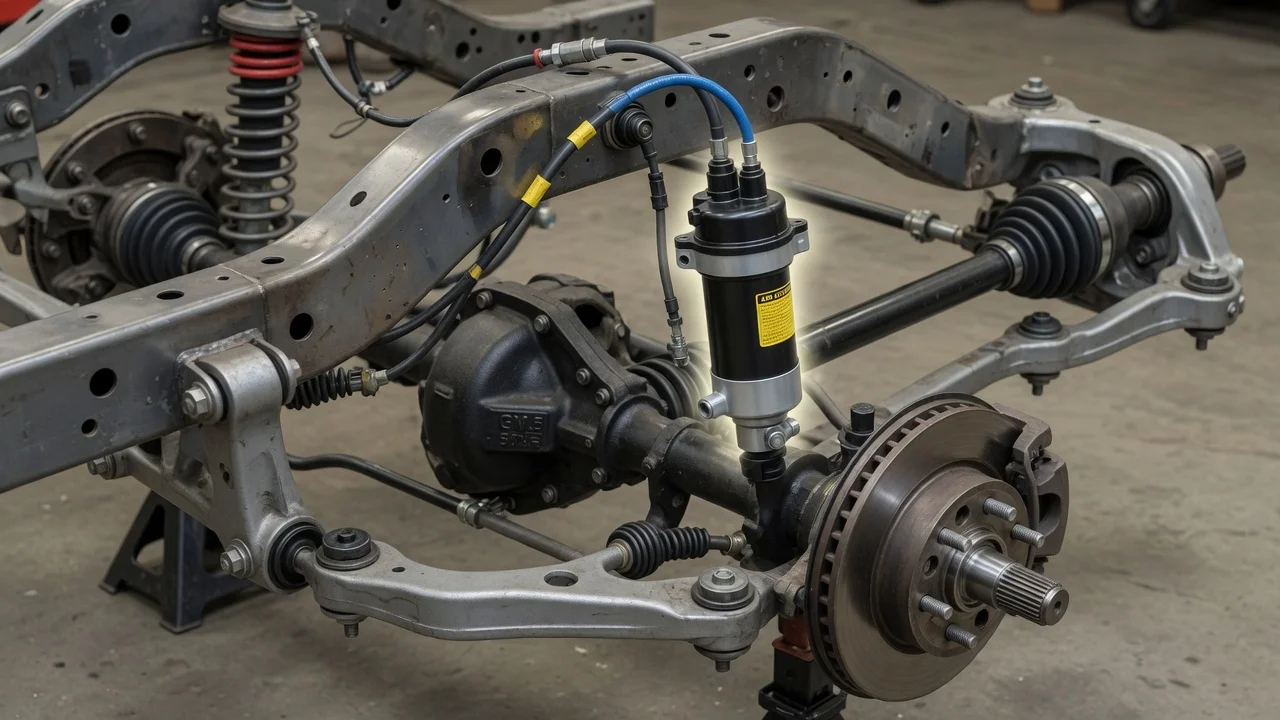
Finding the right front axle actuator for a Chevy S10 means matching the part to your specific truck, not just to the nameplate. Four-wheel-drive S10 pickups and S10 Blazers use a front axle disconnect that the actuator controls, and the actuator design changed during the production run. This guide explains how to confirm fitment, what affects it, and how to check whether the actuator is actually the problem before you spend money on one.
Which actuator fits your S10
A front axle actuator fits a Chevy S10 only if it matches the truck's model year, drivetrain and actuator type. The part applies only to four-wheel-drive trucks; a two-wheel-drive S10 has no front axle disconnect and no actuator. Within 4x4 models, GM used more than one design over the years. Earlier trucks generally used a vacuum-operated actuator, while later trucks use an electrically operated unit. These two types are not interchangeable without changing the control system that feeds them, so the first step is identifying which one is on your axle.
The most reliable way to confirm fitment is to match the part number stamped or printed on the original actuator, or to look the part up by VIN through a parts catalog or dealer. Be cautious with listings that claim to fit every S10. A correct match covers the mounting style, the electrical connector or vacuum port layout and the plunger design, not only the vehicle name and year range.
How the S10 front axle actuator works
On a 4x4 S10, the front differential is connected directly to the left front axle, but the right side axle is split into two shafts. A sliding collar inside the axle tube joins or separates those shafts. In two-wheel drive the collar is disengaged, so the right wheel turns freely and the front driveshaft does not have to spin with the wheels. When four-wheel drive is selected, the actuator moves a shift fork that slides the collar across the splines of both shafts, locking the right axle to the differential so both front wheels can be driven.
A vacuum actuator uses engine vacuum, routed through a switch linked to the transfer case, to move a diaphragm that operates the fork. The electric version on later trucks typically relies on a heating element and an expanding pellet to push the plunger, which is why engagement may take a short time after shifting rather than happening instantly. With either design, the collar splines must line up before it can slide into place, so full engagement may not occur until the truck rolls a little.
What changes the fitment answer
Model year is the biggest variable because it determines whether your truck left the factory with a vacuum or electric actuator, and production changes can occur within a model range. Related GM trucks built on the same platform, such as the GMC Sonoma and Jimmy, often share front axle hardware with the S10, but sharing should be confirmed by part number rather than assumed. Trucks with special packages like the ZR2, which has different suspension and track width, are another case where you should check that a listing specifically includes your exact vehicle configuration.
A truck's service history can also change the answer. Some owners convert the axle disconnect to a cable-operated setup or lock the collar permanently, and others install a replacement axle or swap wiring and vacuum lines from another vehicle. If the parts on your truck do not match what a catalog expects, compare the actuator physically before ordering. It also helps to keep the front axle actuator separate in your mind from the transfer case shift motor and the wheel hubs, which are different components and are often confused in listings and forum advice.
Checks to make before buying
Common signs of an S10 front axle actuator problem include a four-wheel-drive indicator that never lights or flashes, front wheels that do not pull in 4WD, and grinding from the passenger side of the front axle when engaging. These same symptoms can also come from the transfer case, the front driveshaft, or a worn collar and fork, so confirm the cause before replacing parts.
On electric systems, check the relevant fuse, inspect the connector for corrosion or broken pins, and verify power and ground at the actuator with 4WD selected, using a test light or multimeter and the procedure in the service manual. On vacuum systems, inspect the hoses for cracks, test whether the diaphragm holds vacuum with a hand vacuum pump, and check the switch at the transfer case. If the actuator receives power or vacuum but the plunger does not move, the actuator itself is the likely fault.
When you remove the old unit, look for gear oil or water inside it, inspect the fork and collar for wear, and clean the mounting surface. Use the correct seal or gasket, tighten fasteners to the manufacturer specifications, and check the front axle fluid level afterward, since some fluid may be lost during the swap.
Limitations and next step
This guide cannot confirm a specific part number for your truck. Production changes, platform variations and previous repairs mean a VIN-based lookup or a direct comparison with the original actuator is still necessary. Wiring diagrams, torque values, fluid type and capacity, and the maintenance schedule should come from the service information for your exact vehicle.
Seek professional help if inspection reveals a worn collar or fork, damaged axle shaft splines, or grinding that continues after a new actuator is installed, or if wiring diagnosis goes beyond the tools you have. Operating conditions matter as well: frequent off-road use, water crossings and road salt can speed up corrosion at the actuator and its connector, so an inspection after that kind of use can catch problems early.