Chevy Malibu Hybrid Battery Replacement: Signs and Cost Factors
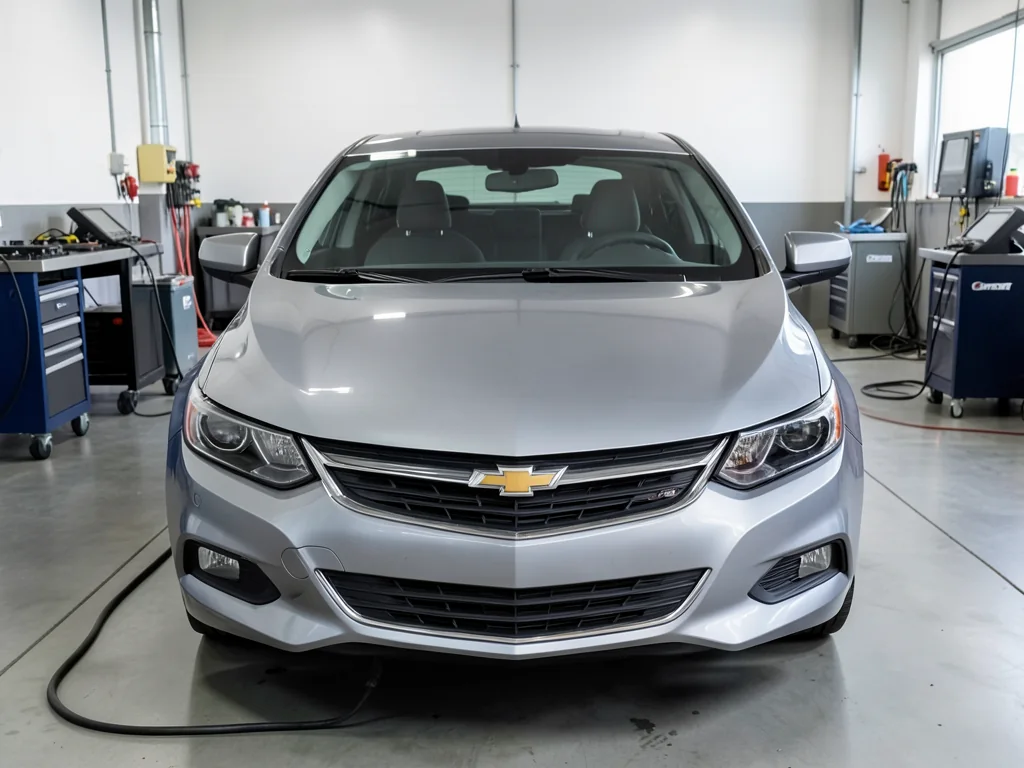
A Chevy Malibu Hybrid battery replacement request can arise from very different vehicles and symptoms. The first-generation Malibu used a mild-hybrid system with a compact 36-volt pack, while the 2016–2019 full hybrid carries a high-voltage battery behind the rear seat. Owners may confuse the hybrid battery pack with the separate 12-volt battery, especially when the car will not start or shows warning lights. Accurate diagnosis matters because replacing the wrong component wastes money and does not fix the underlying fault.
Identify Your Malibu’s Hybrid System and the Battery Being Replaced
Before discussing a chevy malibu hybrid battery replacement, confirm the exact build. The first-generation Malibu Hybrid (2008–2010) used a mild-hybrid system with a small 36-volt battery pack under the rear seat that mainly supported engine stop-start and regenerative braking. The redesigned 2016–2019 Malibu Hybrid uses a full-hybrid system with a high-voltage battery pack that can propel the car briefly on electric power. These are not interchangeable, and the vehicle identification number is the only reliable way to identify the correct pack and service requirements.
A replacement battery request could refer to either the hybrid battery pack or the separate 12-volt battery. Many no-start conditions, dead dashboards, and communication faults trace back to a failing 12-volt battery rather than the expensive traction pack. If the vehicle cranks but will not enter ready mode, the high-voltage system may be involved. If nothing lights up, testing the 12-volt supply is the logical first step. The model name alone never establishes which battery is at fault or what assembly fits.
Warning Signs That Warrant a Battery System Evaluation
Hybrid-system warnings, reduced propulsion assistance, or a sudden drop in fuel economy can prompt a battery evaluation without proving pack failure. A yellow check-engine or hybrid-system warning may set for anything from a loose fuel cap to a battery cooling fan fault. If the vehicle still accelerates normally and the engine runs smoothly, the problem is often elsewhere. Starting difficulties may be caused by a weak 12-volt battery, corroded terminals, or a failed brake-pedal switch rather than the high-voltage battery.
Owners should record the exact dashboard message, when it appears, recent storage periods, and whether the vehicle still operates normally. Cold weather reduces available battery power and makes aging 12-volt batteries fail first. Repeated short trips may leave the 12-volt battery discharged while the hybrid pack remains healthy. Dashboard instructions take priority: smoke, unusual heat, or a severe propulsion warning means stopping safely and seeking qualified help immediately instead of continuing to drive while recording symptoms.
What Testing Should Establish Before Replacement
A qualified technician must confirm vehicle-specific diagnostic-code meanings before recommending a pack. Many codes merely indicate that a value fell outside an expected range during one drive cycle, not that a component has failed permanently. Testing should begin with the 12-volt supply, then cover relevant hybrid control modules, battery current sensors, and the battery-management system. Cooling function matters because most packs depend on an electric fan and intake filter; an overheated battery may shut down without being defective.
Manufacturer-appropriate battery data can show cell voltage variation, state of charge, and internal resistance. If the data shows balanced cells and normal isolation, the reported problem likely has another cause. Request a written diagnosis that connects each finding to the recommended repair and clearly states what remains uncertain. A vague note like “battery code present—replace hybrid battery” does not meet that standard, especially when the failure is intermittent or the symptoms clear on their own.
What Goes Into a Malibu Hybrid Battery Replacement Quote
A complete Malibu Hybrid battery replacement quote separates the battery assembly from diagnostic work, labor, required setup procedures, taxes, and handling charges. The battery itself may be new, remanufactured, or used, and each supplier uses different definitions. The estimate should list the exact part number, the number of hours for removal and installation, and any software relearn procedures. If the quote says “battery replacement” without naming the part that is being changed, ask whether it means the high-voltage pack or the 12-volt battery.
Total price varies with model year, hybrid configuration, pack availability, supplier, and location; no single figure covers every Malibu Hybrid. Ask about core charges, return conditions, shipping, and disposal before approving work. A core charge is refunded only if the old pack arrives intact and within the time allowed, so damaged cases or missing parts reduce the refund. The final quote should distinguish confirmed work from contingent expenses and state clearly whether diagnostic fees are included or billed separately.
Confirm Pack Fitment, Condition, and Warranty Coverage
Replacement-pack descriptions such as new, remanufactured, and used do not have consistent meanings across the industry. A new pack may be a complete factory assembly or simply new modules inside a reused case. Remanufactured commonly means tested modules with replaced weak cells, while used packs are pulled from salvage vehicles. Require VIN-based fitment confirmation and a documented part number before ordering. Ask what the supplied assembly includes—cooling plumbing, contactors, wiring, and mounting brackets may be extra parts not included in a bare battery.
Warranty questions must cover term, mileage limits, labor, exclusions, claim procedures, and responsibility for shipping or repeat diagnosis. A one-year parts-only warranty means little if the labor to swap it again is not covered. Check any remaining applicable vehicle coverage using the VIN and warranty documents. Some states mandate longer hybrid battery warranties, and a vehicle still inside its original emissions or hybrid coverage may qualify for a factory repair at reduced or no cost without assuming eligibility.
Arrange Safe Service and Verify the Completed Repair
Arrange service with a provider qualified for the vehicle’s hybrid system. Hybrid battery packs store lethal voltage, and removal requires wearing insulated gloves and using equipment that most independent shops do not own. Do not attempt to open the pack, disconnect high-voltage cables, or repair internal modules based on online instructions. Ask the shop whether they have completed this exact replacement on the same generation Malibu and whether their technicians hold hybrid-specific training. Confirm parts availability, expected downtime, and transportation arrangements before authorizing work.
After the repair, request documentation of applicable setup procedures, post-repair checks, and whether the original symptoms and warning messages were resolved. A proper replacement includes clearing learned battery data, performing isolation checks, and verifying cooling fan operation before returning the car. Keep the invoice, pack identification number, warranty terms, and any core-return confirmation with the vehicle’s records. If a warning returns within days, that paperwork is essential for warranty claims and for proving that the repair was performed by a qualified facility.