Chevy Malibu Brake Vacuum Pump: Finding the Correct Part for 2016–2020
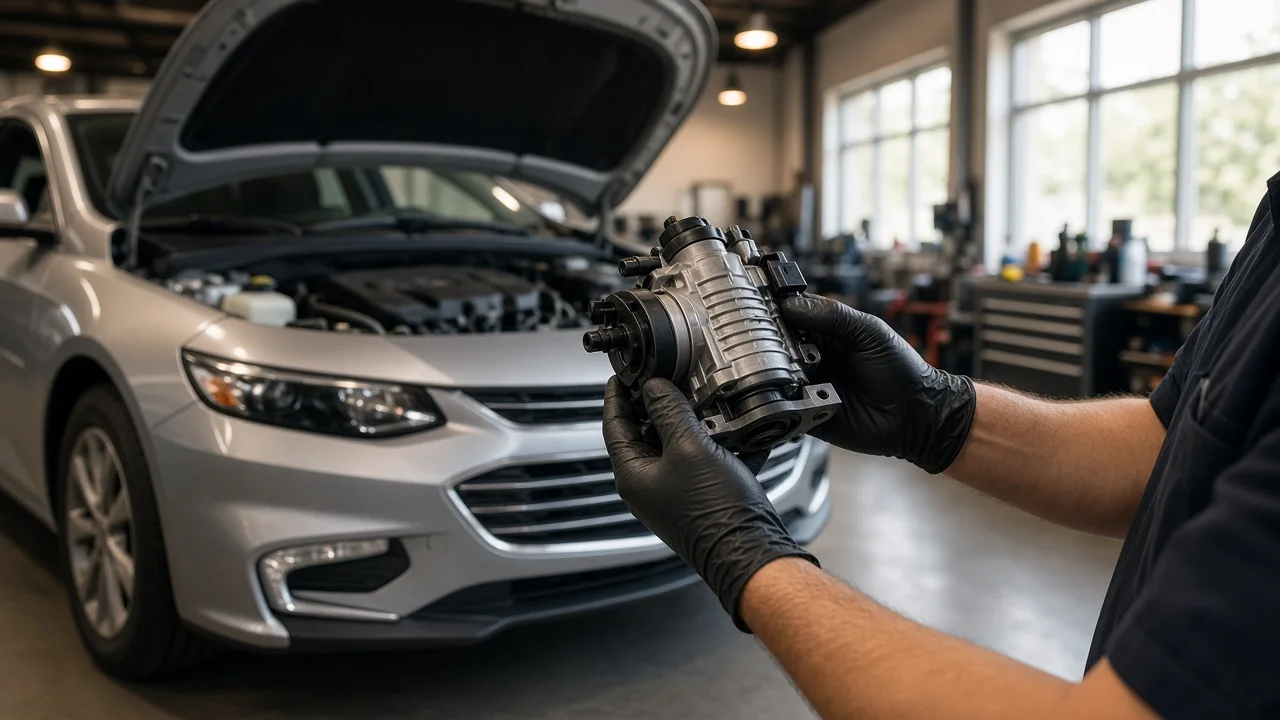
If you are shopping for a brake vacuum pump for a 2016 through 2020 Chevy Malibu, the model year alone is not enough to choose the right part. This generation of Malibu was offered with different engines and equipment, and the pump that supplies vacuum to the brake booster can differ between them. This guide explains what the pump does, what affects fitment and how to confirm the correct part before you buy or install anything.
The short answer on fitment
No single brake vacuum pump fits every 2016–2020 Malibu. Whether you drive a 2016 Malibu, a 2019 or a 2020, the correct pump depends on the engine, the equipment the car was built with and, in some cases, production changes made during a model year. The 1.5-liter turbo, the 2.0-liter turbo and the hybrid powertrain offered during part of this period do not necessarily share the same vacuum supply hardware. For 2016, Chevrolet also sold the previous-generation design as the Malibu Limited, which is a different car for parts purposes. The reliable way to identify the pump is to look up the car by its VIN at a dealer parts counter or in a parts catalog that supports VIN lookup, then compare the result with the part number on the pump currently installed.
Treat this replacement as a safety repair, not a routine part swap. A failing pump reduces power assist, which makes the brake pedal harder to push and lengthens stopping distance. If braking feels noticeably different from normal, limit driving and have the system checked before relying on the car.
How the vacuum pump supports braking
The brake booster sits between the pedal and the master cylinder. Inside it, a diaphragm has vacuum on one side. When you press the pedal, a valve lets atmospheric pressure into the other side, and that pressure difference adds force to your foot. The master cylinder then pushes brake fluid to each caliper, which clamps the brake pads against the brake rotors. Older engines drew booster vacuum straight from the intake manifold. Turbocharged direct-injection engines often produce little manifold vacuum, especially under boost, so a dedicated pump supplies it instead.
Vacuum pumps generally come in two designs. A mechanical pump is driven by the engine and is usually lubricated by engine oil. An electric pump is switched by a control module, typically based on a sensor that reads booster vacuum, and on some vehicles it works as an auxiliary to another vacuum source. Which arrangement a particular Malibu uses is set by its build configuration, so confirm it rather than assuming. Losing the pump does not disconnect the hydraulic brakes; the car can still stop, but it takes far more pedal effort and distance, which is why the fault is dangerous.
What changes the correct part
Engine choice is the first variable. A pump listed for the 1.5-liter turbo should not be assumed to fit the 2.0-liter turbo, and the hybrid, which blends regenerative braking with the friction brakes, should be verified separately rather than matched to the gasoline models. Optional equipment and mid-year production updates can also matter. Dealer part numbers are often superseded by newer numbers over time; a superseded number does not mean the part is wrong, only that the catalog now points to an updated version.
Be careful with aftermarket listings. A pump advertised as fitting a 2017 Chevy Malibu may cover only one engine or a specific production range, so read the fitment notes in full. Compare the mounting pattern, hose fittings, electrical connector on electric units and whether seals or gaskets are included. Mechanical pumps may need new seals and correct alignment of the drive during installation. Remanufactured and new units can both be acceptable if the vehicle fitment is confirmed, but the listing should identify exactly which engine and configuration it serves.
Symptoms that point to the pump
Typical signs of a failing vacuum supply include a hard pedal, particularly right after startup or after several stops in a row, longer stopping distances, a brake assist warning in the instrument cluster and a check engine light with codes related to booster vacuum or the pump circuit. A mechanical pump may show oil seepage around its mounting, while an electric pump may run constantly, buzz loudly or not run at all. A hissing sound near the booster under the hood also deserves attention.
Several other faults can look like a bad pump: a cracked vacuum hose, a failed check valve, a leaking booster diaphragm or a faulty vacuum sensor. It also helps to separate vacuum problems from other brake complaints. Brake pads worn past their wear limits, with friction material nearly gone, tend to cause grinding, vibration or reduced performance rather than a rock-hard pedal. A soft or spongy pedal usually points to air in the brake fluid or another hydraulic issue, not the vacuum pump. Replacing pads, rotors or calipers will not restore lost power assist.
What you can check before buying
Start by recording the VIN and engine, then read the part number stamped or labeled on the existing pump if it is visible. A simple booster check is also useful: with the engine off, press the pedal several times to use up the stored vacuum, hold steady pressure on the pedal and start the engine. With healthy assist, the pedal should sink slightly as vacuum builds. If it stays hard, suspect the vacuum supply, booster or connecting hoses. A scan tool that reads both engine and chassis modules can retrieve stored codes and, on many tools, show live booster vacuum readings.
Once the pump is confirmed as the cause, order a VIN-matched part and follow the vehicle-specific service procedure for removal, sealing and fastener torque. After installing a mechanical pump, check the engine oil level and look for leaks once the engine has run. Afterward, clear any codes, confirm the warning does not return and repeat the pedal check before driving normally.
Limitations and next step
General guidance cannot confirm which pump fits your specific car or whether a recall or service bulletin applies to it. A Chevrolet dealer can check open recalls and campaigns by VIN, and the factory service information provides the diagnostic steps, torque values and procedures for your exact configuration. If the pedal becomes very hard, the stopping distance grows or a brake warning appears, stop using the car for normal driving and arrange an inspection, including towing if needed. A professional diagnosis confirms the root cause before you spend money on parts, and it keeps you from guessing on a system where a mistake directly affects stopping.