Chevy Colorado Timing Chain Replacement Cost
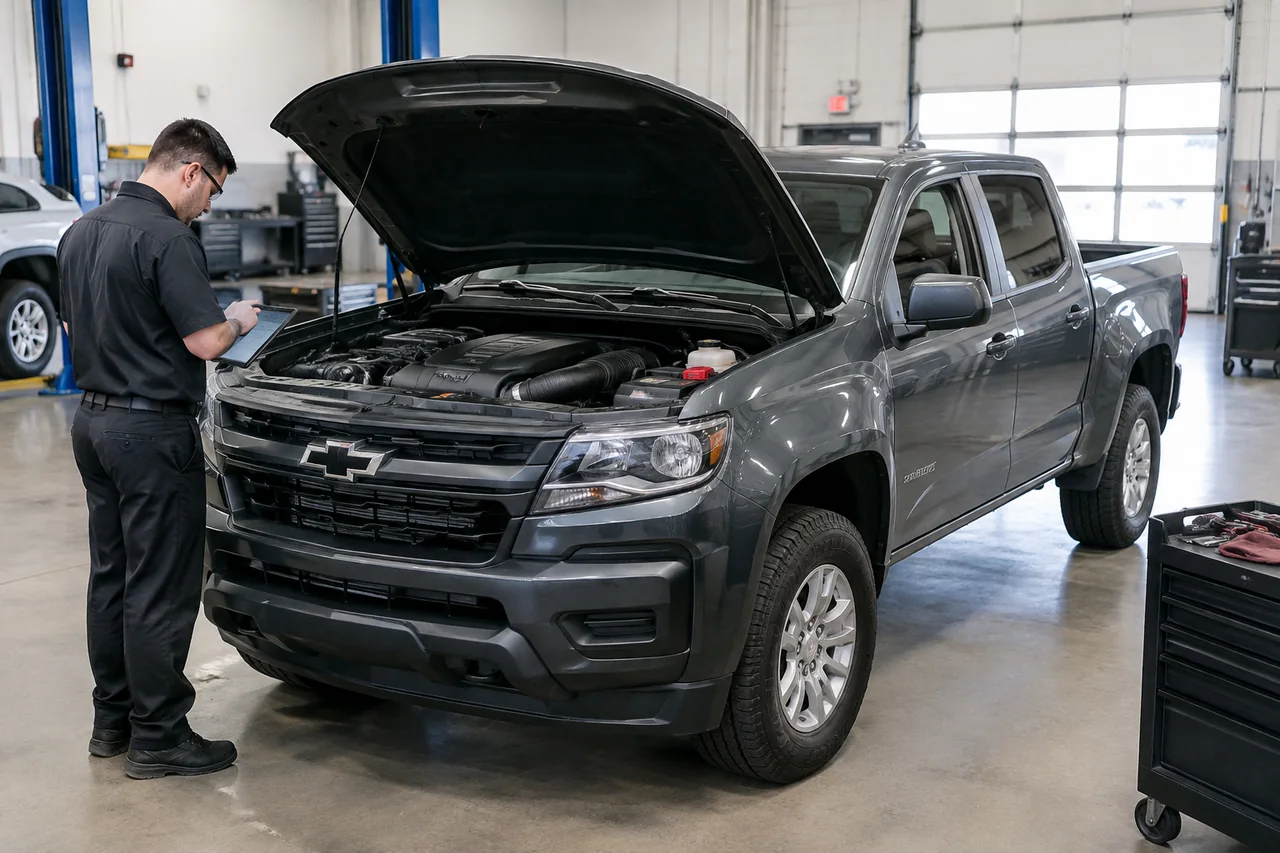
A worn timing chain in a Chevrolet Colorado can cause rough running, rattling, and expensive internal damage if ignored. Owners often ask about Chevy Colorado timing chain replacement cost when these symptoms appear. The final estimate depends on engine identification, diagnostic findings, parts scope, and local labor. Understanding the timing system, confirming wear professionally, and asking the right questions before approval help you avoid unnecessary work while addressing a real mechanical fault.
Identify Your Colorado’s Engine and Timing System
Before discussing repair, confirm your Colorado's engine and timing-drive configuration. Check the eighth character of the VIN and underhood emission label, because engine identification determines whether a timing chain, belt, or gear drives the camshafts. Assuming all Colorado engines share the same timing system leads to incorrect parts, labor estimates, and diagnostic steps. Service information for the exact model year and engine code is the only reliable way to identify the chain setup and related components.
For vehicles that do use a timing chain, wear concerns and repair scope must come from verified service data, not generic assumptions. High-mileage engines may require guide and tensioner inspection, but those items are not automatically replaced with the chain. Without a confirmed engine-specific procedure, do not assign failure patterns or maintenance intervals. The technician should match the vehicle details before quoting any Chevy Colorado timing chain replacement cost.
Symptoms That Warrant Timing-System Diagnosis
A cold-start rattle, rough idle, difficult starting, or an illuminated check-engine light can prompt timing-system inspection, yet none of these symptoms alone proves chain wear. Low oil pressure, a faulty sensor, or a stretched accessory belt may create similar noises or drivability complaints. Recording when the sound occurs, how long it lasts, and whether warning lights accompany it gives a technician useful diagnostic clues without jumping to a timing chain replacement.
Oil condition and level directly affect timing chain tensioner operation. Sludge or a low oil level can reduce tensioner response and allow chain slap, while a stored timing-control fault may point to correlation issues. However, these observations only justify testing, not immediate replacement. If an oil-pressure warning, severe mechanical knocking, or sudden major loss of power occurs, stop the engine safely and arrange towing to prevent further internal damage.
What Testing Should Establish Before Replacement
Before recommending timing-chain work, a shop should document the complaint, inspect oil level and condition, and evaluate stored diagnostic trouble codes. Codes must be verified for the exact vehicle and engine; a P0016 or P0017 may mean a correlation fault, but the cause could be a sensor, wiring, or oil-control valve rather than a stretched chain. The technician should also check for related service bulletins that affect diagnostic interpretation.
A camshaft and crankshaft correlation fault requires investigation of mechanical timing, sensors, wiring, and timing-control components. Professional confirmation of chain wear may include comparing requested and actual camshaft positions, checking tensioner extension, or inspecting guides through an access cover. These steps occur at a high level without providing disassembly instructions. Only after such verification should the shop discuss a Chevy Colorado timing chain replacement cost and scope.
What Shapes Colorado Timing Chain Replacement Cost
A complete replacement estimate starts with diagnostic labor, which may include code reading, oil inspection, and scope or sensor testing. Engine-specific labor for chain and component access varies widely; some engines require removing the front cover, oil pan, or even the engine. The quote should list the chain, guides, tensioners, required seals and fluids, taxes, and any shop charges. A ballpark number without these details is not a reliable basis for approval.
Component access and repair scope drive the total. If damage is discovered during inspection, such as worn sprockets or a cracked guide, additional work adds cost and must be explained separately with authorization. Local labor rates and parts selection also shift the final number. To obtain a useful local estimate, supply the VIN, engine details, symptoms, and diagnostic findings instead of asking for a universal Chevy Colorado timing chain replacement cost.
What the Replacement Estimate Should Include
A written estimate should identify the chain, guides, and tensioners included for the confirmed engine. If the vehicle has multiple timing chains or balance-shaft chains, the quote must state whether they are part of the repair. Sprockets, camshaft actuators, and other components need engine-specific or condition-based justification rather than automatic inclusion. This prevents paying for parts that a competent inspection found to be serviceable.
The estimate should also list required sealing materials such as front cover gaskets or RTV, engine oil and coolant, and any fasteners designated for replacement by the service procedure. After the repair, the scope includes correct timing verification, a check for leaks and abnormal noise, and confirmation that the original complaint is resolved. Without these written details, you cannot compare quotes or hold the shop accountable for the outcome.
Questions to Ask Before Approving the Repair
Before approving the repair, ask what evidence supports chain replacement. A good shop will describe the measured timing error, tensioner position, or visible guide damage. Clarify diagnostic charges and whether they are waived if you proceed with the work. Set an authorization limit for additional repairs, and ask about expected downtime and parts availability for your specific engine. Request written parts and labor warranty terms and instructions for reporting recurring symptoms after pickup.
Future oil service and timing-system maintenance should follow the exact vehicle's applicable guidance. There is no universal chain replacement interval for every Colorado engine, so avoid shops that invent one. Instead, ask how oil change history affects the new chain and what service schedule the manufacturer specifies. This practical follow-up protects the repair and prevents a premature repeat of the same costly timing chain replacement.