Chevy Camaro Wheel Bolt Pattern and Offset by Year
Direct Answer and Scope
The 2010 Chevy Camaro uses a 5x120 mm wheel bolt pattern. This applies to the 2010 Camaro LS, LT and SS trims, including the V6 and V8 cars, because the fifth-generation Camaro shared the same hub configuration across its standard model range. The offset needed for a 2010 Camaro wheel is typically in the high positive range, generally around +35 mm for factory 20-inch wheels. If you are comparing first-generation cars, the 1967, 1968 and 1969 Camaro use a different pattern: 5x4.75 inches, which is equivalent to 5x120.65 mm. The 1970 Camaro also uses the 5x4.75 inch bolt pattern.
2010 Camaro Wheel Fitment
A 2010 Camaro SS wheel uses the same 5x120 mm bolt pattern as the lower trims. The 5x120 mm measurement means the wheel has five lug holes spaced on a circle with a 120 mm diameter. The 2010 Camaro hub bore is 67.1 mm, and aftermarket wheels should match or be hub-centric to that size to avoid vibration. Factory wheel widths for the 2010 Camaro are commonly 7.5 to 9 inches depending on trim and package, with 20-inch diameter wheels standard on the SS and available on other trims. Factory offset is positive, meaning the mounting face sits toward the outside of the wheel's centerline.
1967-1969 Camaro Wheel Fitment
The 1967 Camaro, 1968 Camaro and 1969 Camaro use a 5x4.75 inch bolt pattern. This is the traditional GM passenger car pattern of the era. It is not the same as the 2010 Camaro's 5x120 mm pattern; the difference is small but real, and using a 5x120 mm wheel on a 5x4.75 inch hub is not recommended because the lug seats will not center correctly.
A 1968 Camaro wheel offset for a common factory rally wheel is near zero, often around 0 to +6 mm depending on wheel width. First-generation Camaro offsets are low positive or near zero. This is a major difference from the 2010 Camaro, which uses high positive offset wheels. A modern wheel with +35 mm offset would sit too far inward on a 1968 Camaro without a spacer.
1970 Camaro Wheel Fitment
The 1970 Camaro continues with the 5x4.75 inch bolt pattern. The offset question for a 1970 Camaro wheel is similar to earlier first-generation cars; factory wheel offsets are low, generally in the 0 to +12 mm range for stock steel and Rally wheel widths. The 1970 Camaro was part of the first-generation body run, so its track width and fender clearance assumptions are close to the 1967-1969 cars, not the 2010 model.
Pattern and Offset Comparison
Year | Bolt Pattern | Typical Factory Offset Range; 2010 Camaro (all standard trims) | 5x120 mm | +35 mm region; 2010 Camaro SS | 5x120 mm | +35 mm region; 1967 Camaro | 5x4.75 in (5x120.65 mm) | Near 0 to +6 mm; 1968 Camaro | 5x4.75 in (5x120.65 mm) | Near 0 to +6 mm; 1969 Camaro | 5x4.75 in (5x120.65 mm) | Near 0 to +6 mm; 1970 Camaro | 5x4.75 in (5x120.65 mm) | Near 0 to +12 mm
Practical Fitment Notes
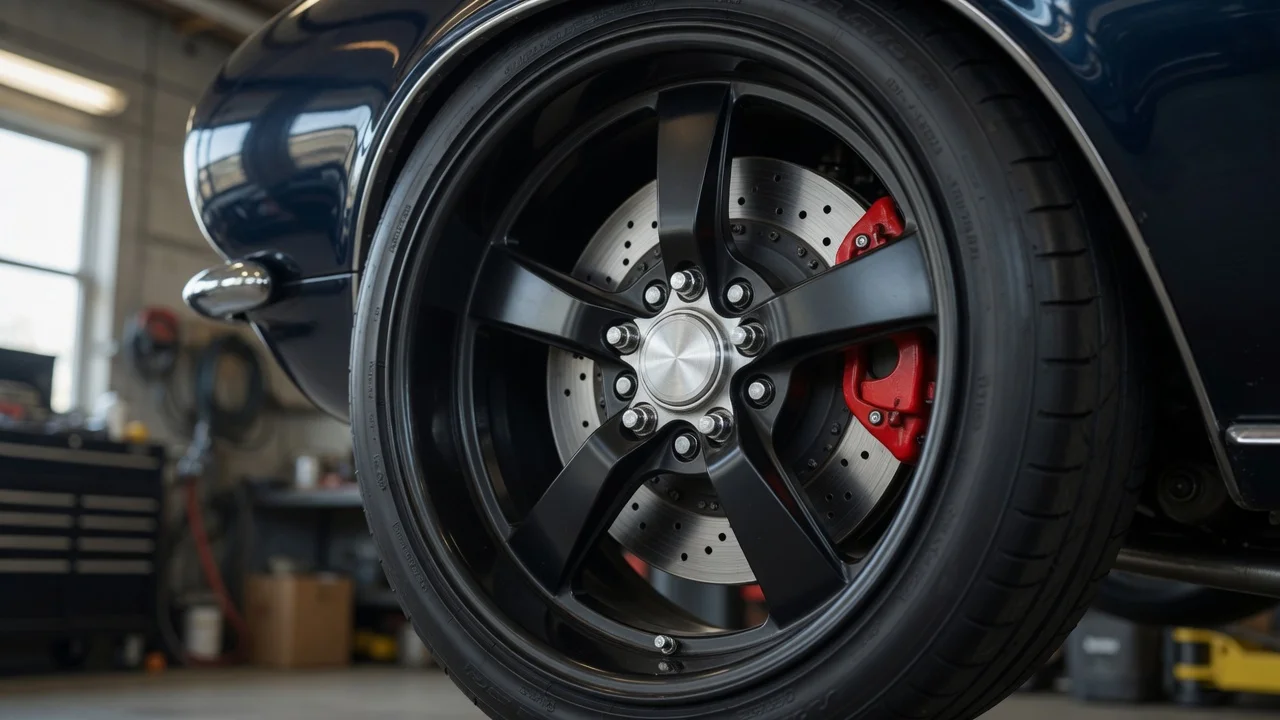
The 5x120 mm and 5x4.75 inch patterns are often confused. The difference is 0.65 mm, which is enough to cause off-center mounting and lug seat stress. When choosing aftermarket wheels, match the pattern exactly to the car's specification. Offset is also generation-specific: the 2010 Camaro requires high positive offset wheels to clear suspension and fenders, while the 1967-1970 cars use near-zero to low positive offsets. Brake clearance is another factor. A 2010 Camaro SS has larger Brembo calipers than a V6 Camaro, so wheel spoke design and barrel clearance matter even when the bolt pattern and offset are correct.
No documented test measurements are cited here for specific wheel weights or exact aftermarket backspacing limits. The offsets given are typical factory ranges; individual aftermarket wheels can vary. If a wheel listing gives only backspacing instead of offset, convert it using the wheel width, because backspacing alone does not identify the offset without knowing the stated width.